Top 5 Tips for Choosing the Right Furnace Blower Motor?
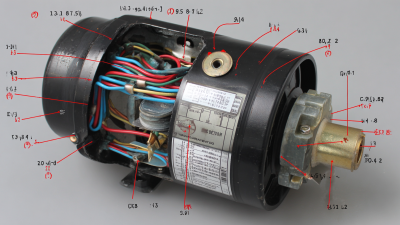
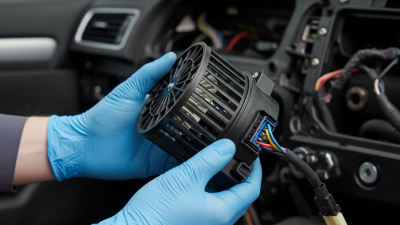
When it comes to selecting the right Furnace Blower Motor, many homeowners face challenges. The furnace blower motor plays a crucial role in your heating system. It affects efficiency, comfort, and longevity. A proper choice ensures that heat is distributed evenly throughout your home.
Understanding your furnace's specific needs is essential. There are different types and sizes of blower motors available, each designed for particular systems. Familiarizing yourself with these options can help prevent costly mistakes. Quality matters, as a reliable motor can save you money on energy bills in the long run.
However, some may overlook the importance of compatibility. Choosing a motor that doesn't fit your furnace can lead to inefficiency. It's vital to match the specifications correctly. Many assume it’s a simple task, yet meticulous attention to detail is necessary when making this decision.
Understanding the Role of Furnace Blower Motors in Heating Systems
Furnace blower motors play a crucial role in heating systems. They circulate warm air throughout your home, ensuring consistent temperatures. A well-functioning blower motor increases energy efficiency and comfort. According to the U.S. Department of Energy, an efficient blower can enhance system performance by up to 20%.
Choosing the right blower motor is key. Look for energy-efficient models to save on utility bills. Pay attention to motor sizes and specifications. The right fit can boost airflow and heating effectiveness. Many homeowners overlook compatibility, leading to inefficient heating. Always consult the system requirements.
Consider the type of blower motor. ECM (Electronically Commutated Motor) models are more efficient than traditional PSC (Permanent Split Capacitor) motors. ECM motors adjust their speed based on heating demand. This adaptability can lead to lower energy costs.
Regular maintenance also matters. A neglected blower may result in poor air quality and increased energy usage.
Identifying the Right Size and Power for Your Blower Motor
Choosing the right furnace blower motor is crucial for ensuring optimal heating in your home. Focus on the size and power required for your system. A motor that is too small won't effectively circulate air. Conversely, one that is too large can lead to energy waste and inconsistent temperatures.
Measure the dimensions of your furnace. This will help determine the appropriate blower motor size. Consider the cubic feet per minute (CFM) rating as well. A higher CFM rating means more air movement. You want a balance between airflow and energy efficiency. For average-sized homes, a motor rated between 800 to 1200 CFM generally suffices, but specific needs may vary. Assess your space thoroughly and consult a professional if unsure.
Remember, proper installation is key. An ill-fitted motor can lead to performance issues. Monitor the noise level; a loud motor might indicate a problem. Be prepared to seek expert advice if you notice any irregularities. The right choice will enhance your furnace’s efficiency and improve comfort in your home.
Assessing Energy Efficiency Ratings of Blower Motors
When selecting a furnace blower motor, energy efficiency ratings are crucial. These ratings reflect how well the motor converts electricity into airflow. A motor with a high efficiency rating uses less energy while providing the same performance. This can lead to real savings on your utility bills.
Understanding the efficiency metrics is essential. Look for motors rated with high SEER or AFUE values. These designated values indicate the effectiveness of heating systems. Energy-efficient motors are typically quieter and last longer, adding to their investment value. Many homeowners overlook these aspects, focusing mainly on initial costs.
Reflect on your specific needs. A low-cost motor may not provide optimal efficiency, leading to higher long-term recurring expenses. Choose a balance between upfront price and energy costs. Sometimes, impatience can lead to poor choices. Thoroughly research and consider all efficiency aspects before making a final decision.
Evaluating Noise Levels and Operational Comfort
When selecting a furnace blower motor, evaluating noise levels is crucial for comfort. A quiet operation enhances the overall experience in your home. It’s vital to consider how sound may impact your daily activities. No one wants a motor that disrupts conversations or TV time. Look for specifications that detail decibel levels. A motor that operates silently can significantly increase comfort.
The design and installation of the furnace blower also influence noise. Even a quiet motor can produce unwanted sounds due to improper mounting or vibration. Consider the environment where the blower will operate. A well-insulated space can help minimize the transmission of sound. Think about your specific needs. For instance, if you entertain often, a quieter motor might be more beneficial.
Moreover, understanding your comfort zone is essential. Some individuals are more sensitive to noise than others. What feels tolerable to one person may be annoying to another. It's worth reflecting on your preferences before making a decision. Sometimes, you might prioritize quiet operation over other features, like efficiency. Assess your lifestyle and how a blower motor fits into it.
Noise Levels of Different Furnace Blower Motors
Exploring Compatibility with Existing HVAC Systems and Controls
Choosing a furnace blower motor is more than just a purchase. It's crucial to ensure compatibility with your existing HVAC system and controls. Data from the U.S. Department of Energy indicates that over 60% of homeowners overlook this factor when upgrading their systems. This oversight can lead to inefficiencies and increased energy costs.
When assessing compatibility, examine the voltage, phase, and horsepower ratings of your current motor. For instance, a standard 1/3 HP motor commonly powers residential HVAC systems. Using an incompatible motor can cause your system to underperform or fail altogether. Look for motors that match your system's specifications to ensure optimal efficiency.
Furthermore, consider how the blower motor integrates with your controls. Many advanced systems utilize smart thermostats or variable-speed settings. These features require compatible motors that can handle variable airflow. An incompatible motor can lead to poor temperature regulation. Ignoring this can disrupt the comfort level in your home. The right choice may take time, but it’s essential for longevity and functionality.



 Email
Email Whatsapp
 WeChat