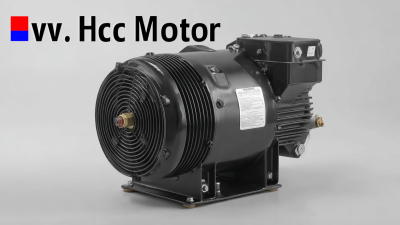
2026 How to Choose the Right HVAC Blower Motor for Your Needs?
Choosing the right HVAC blower motor is crucial for both comfort and efficiency. A quality HVAC blower motor ensures proper air circulation, reducing energy costs while enhancing indoor climate. With various options available, finding the right one can be daunting.
Consider factors like size and compatibility with existing systems. An ill-suited HVAC blower motor can lead to system inefficiencies. It's essential to understand your specific needs and the unique requirements of your HVAC system.
While many overlook the importance of a reliable blower motor, its impact is significant. Take time to research different models. Seek professional advice if necessary. Making an informed choice now can save costs and enhance comfort long-term.
Understanding HVAC Blower Motors: Types and Functions
When selecting an HVAC blower motor, it's essential to understand the various types available. Commonly, these include single-speed, multi-speed, and variable-speed motors. According to the Department of Energy (DOE), variable-speed motors can operate at different levels of output, enhancing energy efficiency by up to 30% compared to single-speed models. This significant reduction can lead to considerable cost savings over time.
Blower motors exist in both direct drive and belt drive configurations. Direct drive motors are more compact and generally quieter. They are also easier to maintain, making them a popular choice for residential systems. On the other hand, belt drive motors are more versatile but require more frequent maintenance. Data from the American Society of Heating, Refrigerating and Air-Conditioning Engineers (ASHRAE) notes that improper motor selection can reduce system efficiency by 20% or more.
Make sure to consider the motor size and compatibility with your existing HVAC setup. Some users overlook this aspect, leading to inefficiencies and performance issues. Measurement errors can alter the effectiveness of the blower, causing airflow problems. Conducting thorough research and consulting with HVAC experts can help mitigate these issues and guide you in making the right choice.
Key Factors to Consider When Selecting a Blower Motor
Selecting the right HVAC blower motor is crucial for optimal system performance. When assessing your needs, consider airflow requirements. The American Society of Heating, Refrigerating and Air-Conditioning Engineers (ASHRAE) notes that proper airflow can enhance efficiency by up to 30%. Choose a motor that meets the specific airflow ratings for your system.
Another key factor is the motor type. Direct drive and belt drive motors serve different applications. Direct drive motors are often more reliable and require less maintenance. However, they may not provide the same versatility as belt-driven counterparts. This choice impacts both performance and energy consumption.
**Tips**: Always verify compatibility with your HVAC system. Don’t overlook the importance of energy efficiency ratings. Motors labeled with high efficiency can reduce energy costs significantly over time.
Inspect motor noise levels, too. Some motors produce excessive noise, which can be disruptive, especially in residential settings. Assessing sound ratings upfront can save future headaches. Remember, the right motor balances performance, efficiency, and noise control. Identifying the best fit may require time and analysis, but it pays off in the long run.
Evaluating Compatibility with Your Existing HVAC System
When selecting an HVAC blower motor,
compatibility with your existing system is crucial. An ill-fitting motor can lead to inefficiencies.
It's important to match the new motor’s specifications with your current setup.
Check the voltage and amperage ratings.
These details are usually listed on the old motor's label.
Additionally, measure the physical dimensions.
The mounting style must align with your system. A mismatch can result in installation challenges.
Also, consider the airflow performance.
A motor with insufficient power could strain your HVAC system.
It may lead to higher energy bills
and reduced comfort in your space.
It's wise to consult professionals if you are uncertain.
Even minor discrepancies can cause performance issues. Some people overlook these factors,
risking costly repairs later. Be thorough in your evaluation.
While online resources provide guidance, hands-on experience can reveal hidden complexities.
Assessing Energy Efficiency and Performance Ratings
When selecting an HVAC blower motor, energy efficiency and performance ratings are critical factors. Energy efficiency is typically measured by the Annual Energy Use (AEU) or the overall efficiency rating. Motors with higher efficiency ratings save more on energy costs over time. According to the U.S. Department of Energy, an efficient motor can reduce energy consumption by up to 30%.
Performance ratings reflect how well the motor meets your specific heating and cooling needs. You should consider airflow ratings, expressed in cubic feet per minute (CFM). Motors that provide optimal airflow contribute to a comfortable environment. It's essential to match the blower’s capabilities with your home’s size and insulation to avoid inefficiencies.
Tip: Always check for an Energy Star label; it signifies compliance with strict energy efficiency standards.
In some cases, the initial cost can be deceiving. A less expensive motor may lead to higher operational costs. So, researching lifecycle costs helps in making an informed decision. Not every home requires the same type of motor; customization may be necessary. Assessing your home’s unique setup is crucial for optimal performance. Remember that a well-matched system delivers not just savings but better comfort levels.
Tips for Installation and Maintenance of Blower Motors
When installing a blower motor, consider its compatibility with your HVAC system. The size and power ratings must align with your specific requirements. The U.S. Department of Energy notes that an incorrect motor choice can reduce system efficiency by up to 30%. Proper sizing ensures optimal airflow and energy savings, making installation both effective and cost-efficient.
Maintenance is crucial for prolonging the life of your blower motor. Regularly inspect the motor for dust accumulation and loose connections. According to the American Society of Heating, Refrigerating and Air-Conditioning Engineers (ASHRAE), routine maintenance can enhance energy efficiency by as much as 15%. Lubrication of moving parts and checking electrical components every six months can prevent unexpected failures.
Be aware that neglect can lead to serious issues. A poorly maintained motor may overheat or fail entirely. Such breakdowns can result in costly repairs and increased energy bills. Keeping an organized schedule can mitigate these risks. Regular checks ensure continued efficiency and system reliability. Make a habit of inspecting your blower motor—it's worth the effort.
HVAC Blower Motor Efficiency Analysis (2026)
This chart displays key performance metrics for HVAC blower motors in 2026, including efficiency, noise levels, energy consumption, and projected lifespan. Understanding these metrics can help you select the right blower motor for your specific needs.



 Email
Email Whatsapp
 WeChat