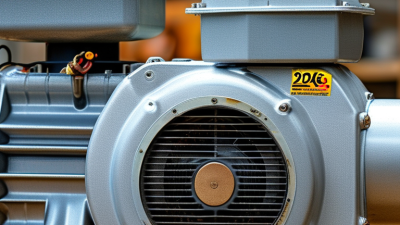
How to Choose the Right HVAC Blower Motor for Your Needs?
Choosing the right HVAC blower motor is crucial for your home or business’s heating and cooling efficiency. The HVAC blower motor plays a vital role in circulating air. A well-functioning motor ensures comfort and can lower energy bills. However, selecting the right model can be challenging.
Consider the specific needs of your system. Different HVAC units require different blower motors. Factors such as size, airflow requirements, and energy efficiency ratings all matter. Making the wrong choice can lead to inefficiencies and even costly repairs. It's important to understand your system before making a decision.
Not every HVAC blower motor is created equal. Some may not meet your needs. Assess your priorities, like noise levels and power consumption. It’s worth consulting with a professional to navigate the options. They can lead you to a reliable choice that balances performance and cost. After all, an informed decision can save you time and money in the long run.
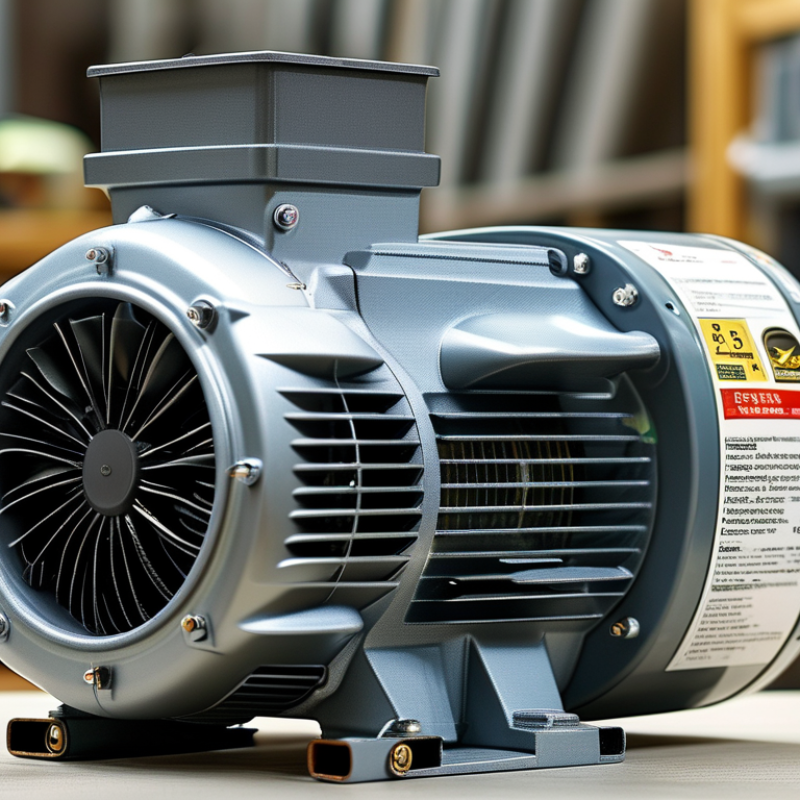
Understanding HVAC Blower Motors: Types and Functions
HVAC blower motors play a crucial role in heating and cooling systems. They are responsible for circulating air throughout your home. Understanding the different types and functions of these motors can greatly enhance your HVAC system’s efficiency.
There are mainly two types of blower motors: single-speed and variable-speed. Single-speed motors run at a fixed speed, which can lead to higher energy usage. They are simpler in design but may not be suitable for larger spaces. In contrast, variable-speed motors can adjust their speed based on demand. This flexibility allows for more efficient airflow, reducing energy bills over time.
Choosing the right motor is essential. Consider your home's size, the specific HVAC system, and your usage patterns. A poorly chosen motor can lead to inadequate airflow or excessive wear. Common issues include noise and overheating. Pay attention to your needs, as the right motor can significantly impact comfort and efficiency. Test different options if possible, and consult with a professional for guidance.
Determining the Right Blower Motor Size for Your HVAC System
Choosing the right blower motor size for your HVAC system can be challenging. Various factors come into play. Understanding your system’s specific requirements is vital for optimal performance.
A well-sized blower motor ensures efficient airflow, enhancing comfort and energy efficiency.
Consider the heating and cooling load of your space. This load refers to how much heating or cooling power you need to maintain comfort. A blower that is too small will struggle to circulate air. On the other hand, an oversized blower might lead to short cycling. This issue can increase wear and tear on the system, reducing its lifespan.
Measuring the ductwork is also crucial. Inspect the size and layout of your ducts. If they are too narrow or too restricted, they can hinder airflow. A professional can help with airflow calculations. However, people often overlook routine maintenance and system checks. Regular cleaning of filters and ducts can improve efficiency. Understanding these factors can positively impact energy usage and system performance.
Evaluating Efficiency Ratings: What to Look For in a Blower Motor
When selecting an HVAC blower motor, efficiency ratings are crucial. Look for models with high efficiency, measured by energy consumption. A good blower motor can significantly reduce energy costs over time. Make sure to consider the motor type as well. DC motors tend to be more efficient compared to standard AC motors.
Pay attention to the Seasonal Energy Efficiency Ratio (SEER) and the Motor Efficiency Rating. A higher SEER means better cooling efficiency. Ratings provide an at-a-glance comparison of energy use. Be cautious; some ratings might be misleading. Always verify the information from reliable sources.
It's also wise to assess noise ratings. An efficient motor should operate quietly. Consider installation requirements, too. Some motors may require complex setups. Review your specific needs and circumstances. Seek professional advice if you're uncertain about your choice. Small mistakes can lead to bigger issues down the road.
HVAC Blower Motor Efficiency Ratings Comparison
Selecting Between Permanent Split Capacitor and AC Induction Motors
When selecting an HVAC blower motor, it's essential to distinguish between the two main types: Permanent Split Capacitor (PSC) and AC Induction Motors. PSC motors are popular for their efficiency and reliability. They provide consistent airflow and are easy to maintain. Their design allows for a smooth startup, which is beneficial for residential systems.
On the other hand, AC Induction Motors are known for their durability. They operate well under various load conditions. However, their efficiency can fluctuate, especially under light loads. This inconsistency might lead to higher energy consumption. Choosing between these two often depends on specific heating and cooling needs.
Consider the environment where the motor will operate. Will it face frequent on-off cycles? If so, a PSC motor might be better suited. Evaluate the lifespan and cost of operational efficiency. Reflect on these factors because making the wrong choice could lead to unnecessary expenses. Understanding these nuances can help you find the right fit for your HVAC system.
How to Choose the Right HVAC Blower Motor for Your Needs?
| Feature |
Permanent Split Capacitor (PSC) Motor |
AC Induction Motor |
| Efficiency |
Moderate |
High |
| Starting Torque |
Low |
High |
| Speed Control |
Limited |
Good |
| Maintenance |
Low |
Moderate |
| Cost |
Affordable |
Higher |
| Typical Applications |
Residential HVAC |
Commercial HVAC |
Considering Installation Requirements and Compatibility with Existing Systems
Choosing the right HVAC blower motor involves careful consideration of installation requirements and compatibility with existing systems. A well-functioning blower motor is crucial for efficient airflow and overall system performance. According to the U.S. Department of Energy, proper airflow can improve energy efficiency by up to 30%. Misalignment or improper sizing can lead to issues, resulting in a waste of energy and increasing utility bills.
Before purchasing a blower motor, evaluate your current HVAC system's specifications. Check the existing motor's voltage, horsepower, and physical dimensions to ensure fit. Many installations require specific types of wiring or control compatibility. A mismatch can result in equipment failures or insufficient air distribution.
Tips: Always consult the user manual for details on compatibility. Consider hiring a professional for installation if you're unsure. Remember, a tiny error in installation can lead to significant consequences. Overlooking HVAC compatibility can lead to performance issues or costly repairs down the line. Make informed decisions to ensure long-term system reliability.



 Email
Email Whatsapp
 WeChat