What is the Best Filter Dryer for Your Industry Needs?
Choosing the right filter dryer is essential for various industries. A filter dryer combines filtration and drying, significantly enhancing operational efficiency. Reports indicate that about 65% of companies in pharmaceuticals report improved product quality through effective filtration.
In food processing, using the right filter dryer can reduce contamination risks. The global market for filter dryers is projected to grow at a CAGR of 4.8% by 2025. Industries need to be informed about the specific requirements and regulations in their sectors. A filter dryer that works well for one industry may not be suitable for another.
Reflection is key. While many companies invest in advanced filter dryers, some overlook routine maintenance. This can lead to inefficiencies that cost time and money. Understanding these factors helps businesses choose the best filter dryer for their unique needs.
Understanding Filter Dryers: Key Features and Functions
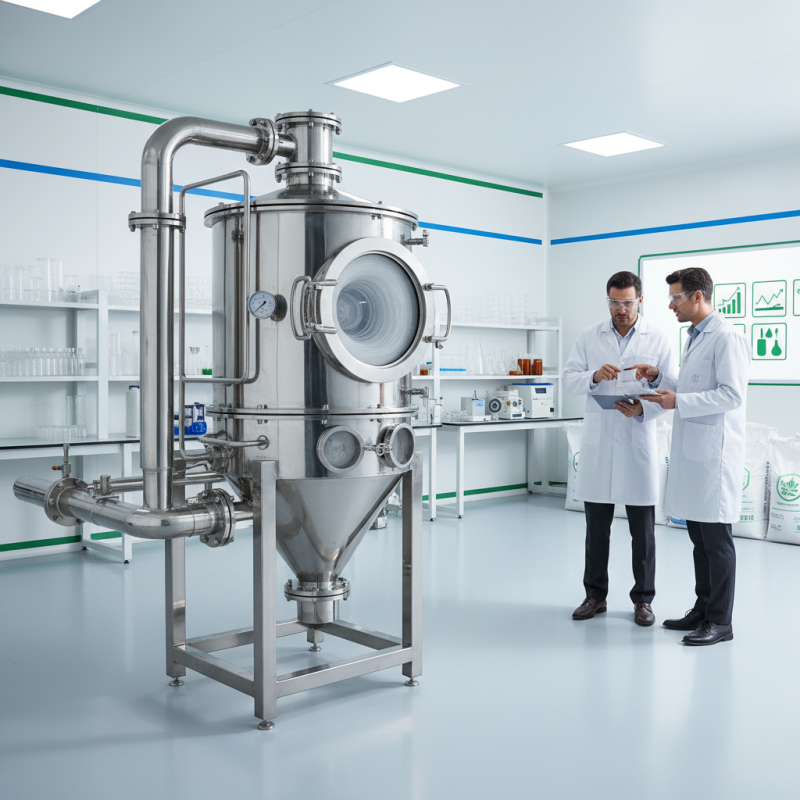
Understanding filter dryers is crucial for optimizing production processes.
These systems effectively remove solvents and moisture from solids, significantly enhancing
product quality. A good filter dryer combines efficient
filtration and
drying capabilities, making
it versatile for various industries. The material of the filter, the design, and the level
of automation are essential features to consider.
For efficient performance, it's essential to select a dryer that matches your production
scale. Look for dryers with adjustable settings. This flexibility allows
for adaptation to different materials. Check how easy it is to clean. A complex design may
lead to time loss during maintenance.
Tips: Regularly monitor the operational efficiency. Setting proper maintenance schedules
can prevent unexpected breakdowns. Evaluate the system's
energy consumption. High energy costs may outweigh
the benefits of complex systems.
Balancing efficiency with practicality is vital.
Consider the function of each feature in relation to your specific industry needs.
Consult with experts for insights specific to your processes. While advanced technology
is beneficial, ensure that your team can operate it effectively.
Limited training may hinder usage
and impact production negatively.
Types of Filter Dryers and Their Industrial Applications
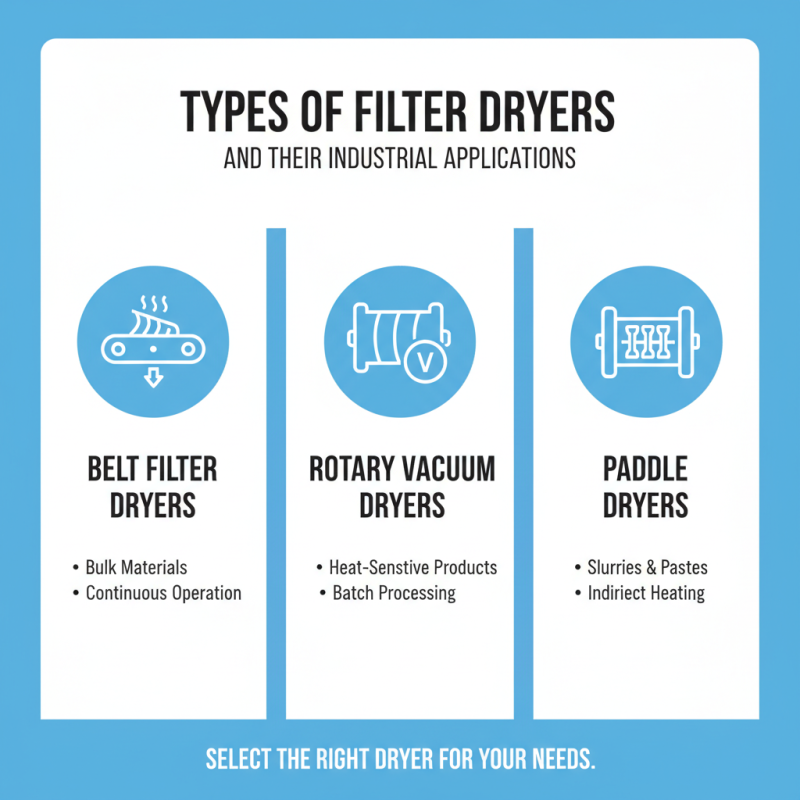
When selecting a filter dryer for industrial applications, understanding the types available is crucial. Each type serves distinct purposes. Common types include belt filter dryers, rotary vacuum dryers, and paddle dryers. Belt filter dryers are efficient for bulk materials. They utilize a conveyor belt system to facilitate the drying process. This design allows for continuous operation, which increases productivity.
On the other hand, rotary vacuum dryers allow for the uniform heating of materials. They are ideal for heat-sensitive products. The rotary design promotes even distribution of heat, reducing the risk of product loss. Paddle dryers mix and heat materials simultaneously. These dryers are effective for pastes and slurries, making them versatile in various industries.
Choosing the right dryer involves analyzing your specific needs. Consider factors like material type, moisture content, and desired efficiency. Sometimes, understanding these factors can be challenging. The ideal solution depends on many variables. There is no perfect system that works for everyone. Balancing efficiency and material integrity requires careful thought.
Factors to Consider When Choosing a Filter Dryer
When choosing a filter dryer, several factors are essential. The application determines the specific needs. For pharmaceuticals, high-efficiency dryers ensure the purity of sensitive compounds. In food processing, safety standards guide the selection to avoid contamination. According to a report by the International Society for Pharmaceutical Engineering, a 25% reduction in solvent retention can increase yield significantly.
Tip: Assess your product requirements early to avoid costly adjustments later.
Temperature and pressure ratings also play a crucial role in choice. Consider the volatility of solvents. High temperatures can lead to degradation of some compounds. A study from the American Chemical Society revealed that improper settings can reduce efficiency by as much as 30%. Understanding these technical specifications is vital for optimal performance.
Tip: Always consult with engineering experts if uncertain about specifications.
Material compatibility is another important factor. Some materials may react negatively with solvents, leading to contamination. Conduct material testing whenever possible. This step is crucial, especially in sensitive applications. Regular maintenance of the dryer can also prevent unexpected failures. However, even with rigorous approaches, unexpected issues may arise. Always have contingency plans.
What is the Best Filter Dryer for Your Industry Needs? - Factors to Consider When Choosing a Filter Dryer
| Filter Dryer Type |
Application |
Efficiency (%) |
Max Temperature (°C) |
Volume (L) |
| Plate Filter Dryer |
Pharmaceuticals |
90 |
150 |
50 |
| Nutsche Filter Dryer |
Chemicals |
85 |
200 |
100 |
| Vacuum Filter Dryer |
Food Industry |
92 |
120 |
75 |
| Continuous Filter Dryer |
Petrochemicals |
88 |
180 |
200 |
| Drum Filter Dryer |
Mining and Minerals |
80 |
140 |
60 |
Comparing Performance and Efficiency of Various Filter Dryers
When selecting a filter dryer for industry needs, it's crucial to compare performance and efficiency. Various types, such as Nutsche, belt, and rotary drum dryers, show different capabilities. According to industry reports, Nutsche dryers exhibit a recovery rate of approximately 95%. This high efficiency appeals to chemical and pharmaceutical sectors.
In contrast, belt dryers feature a continuous operation that can enhance productivity. However, they may require more energy and maintenance. A recent survey indicated that about 20% of users faced issues with clogging and uneven drying. These factors must be weighed against their volume capability and speed.
Rotary drum dryers provide an alternative for bulk processing. Their design allows for constant movement, which reduces drying times. However, their energy consumption can be higher, meaning operational costs may climb. Industry benchmarks suggest that the right choice ultimately depends on specific requirements, including desired end product moisture levels. Sometimes, users must compromise on one aspect to achieve savings in others.
Performance and Efficiency of Various Filter Dryers



 Email
Email Whatsapp
 WeChat