How to Choose the Best Filter Dryer for Your Needs?
When it comes to selecting the ideal Filter Dryer, expert opinions matter. Noted industry specialist Dr. Emily Thornton once stated, "Choosing the right Filter Dryer is crucial for optimum performance and product quality." Her insights underline the significance of this decision.
A Filter Dryer is not just a piece of equipment; it plays a vital role in many industries. Its efficiency can impact everything from production timelines to cost management. However, the variety of options available can be overwhelming. Knowing what to look for is key to making the right choice.
Consider your specific needs. Are you dealing with large batches or smaller operations? Different designs and features cater to various situations. Engaging with professionals and analyzing case studies can enhance understanding. The complexities surrounding Filter Dryers demand attention and a clear understanding of your requirements. Take time to reflect on past decisions. Mistakes can lead to costly consequences, but each allows for learning and growth in choosing the right solution.
Understanding Filter Dryers and Their Functionality
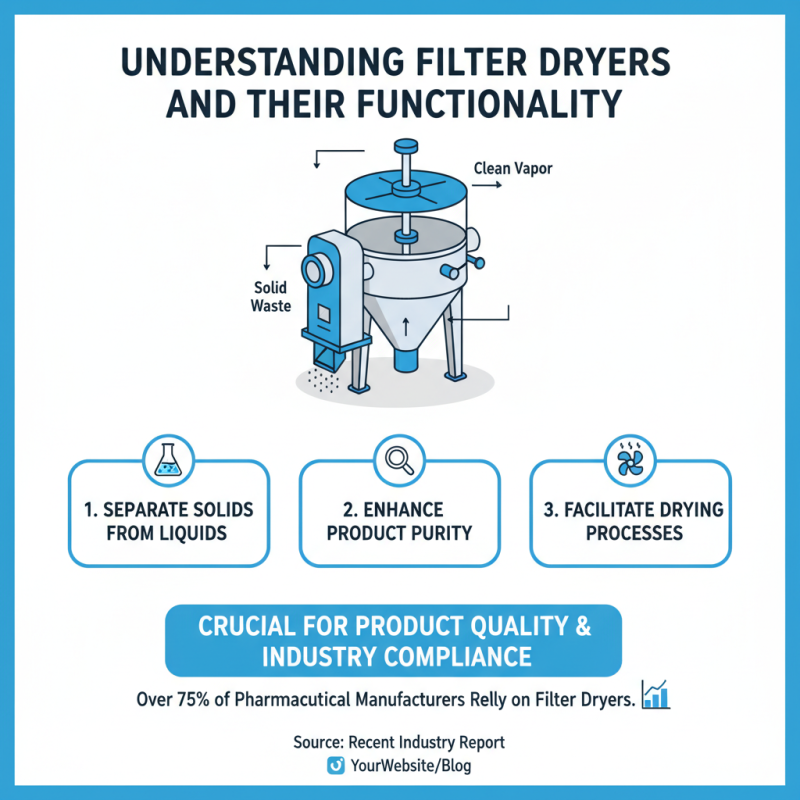
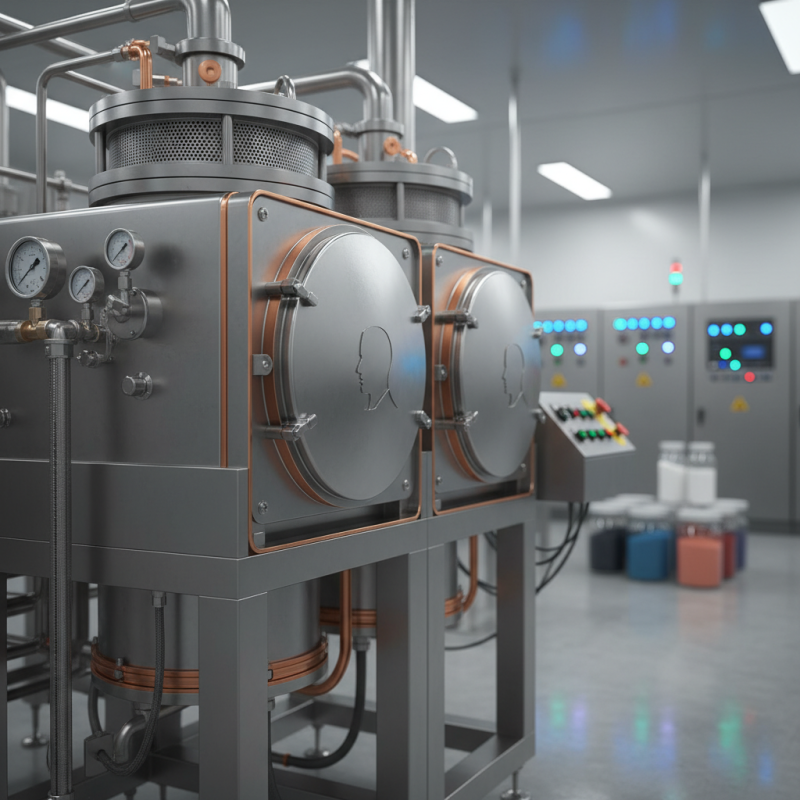
When selecting a filter dryer, understanding its functionality is crucial. Filter dryers serve multiple purposes in various industries. They are designed to separate solids from liquids, enhance product purity, and facilitate drying processes. According to a recent industry report, over 75% of pharmaceutical manufacturers rely on filter dryers to ensure product quality. This highlights their importance in ensuring compliance with stringent industry standards.
Filter dryers operate by combining filtration and drying in one unit. This method reduces handling and minimizes contamination risks. A technical document from a leading engineering association states that these units can increase efficiency by up to 30% compared to conventional methods. However, it’s important to note that not all filter dryers are suitable for every application. Given the vast range of operational parameters, selecting one without proper analysis may lead to inefficiencies.
When choosing a filter dryer, consider the specific material characteristics. Factors like particle size, volume, and moisture content significantly impact performance. Industry data indicate that selecting the wrong type can lead to significant downtime. This emphasizes the need for thorough research and expert consultation during the selection process. Each application presents its challenges, necessitating tailored solutions for optimal results.
Key Factors to Consider When Choosing a Filter Dryer
When selecting a filter dryer, several key factors must be considered to ensure optimal performance and efficiency. Understanding your specific application is crucial. The right filter dryer can improve your process and reduce operating costs. Data from industry reports indicate that improper selection can lead to up to 20% energy waste.
One aspect to pay attention to is the type of moisture you are dealing with. Different filter dryers cater to various moisture levels. It is essential to conduct a thorough analysis of your system. According to recent studies, around 35% of users do not assess their moisture levels accurately, leading to inefficiencies.
Tips: Always evaluate the material compatibility with your filter dryer. This ensures that your system remains reliable over time. Additionally, consider the cost of replacement parts. Some dryers may have lower initial costs but higher maintenance fees.
Ultimately, conducting a detailed risk assessment is beneficial. A significant portion of users fails to do this, which can lead to unexpected downtimes or equipment failures. By prioritizing these factors, you can make a more informed decision, aligning the filter dryer with your operational needs.
How to Choose the Best Filter Dryer for Your Needs? - Key Factors to Consider When Choosing a Filter Dryer
| Feature |
Description |
Importance |
| Filtration Efficiency |
Ability to remove impurities and particulates from the system. |
High |
| Flow Rate |
Maximum volume of fluid that can be processed by the dryer in a given time. |
Medium |
| Temperature Range |
Operating temperature limits for efficient filtration without degradation. |
High |
| Size and Design |
Physical dimensions and layout that fit installation space and application needs. |
Medium |
| Material Compatibility |
Suitability of the dryer materials with the types of fluids processed. |
High |
| Maintenance Requirements |
Ease and frequency of maintenance needed to keep the system operational. |
Medium |
| Cost |
Initial purchase price and long-term operational costs formed by efficiency. |
High |
Comparing Different Types of Filter Dryers Available
When selecting a filter dryer, it's crucial to understand the various types available. Filter dryers typically include two main designs: the batch type and the continuous type. Batch systems are ideal for smaller production scales. They allow for flexibility but may lead to longer processing times. According to industry insights, batch systems can achieve moisture levels as low as 0.1% for certain applications. However, their time efficiency can vary significantly.
On the other hand, continuous filter dryers offer increased efficiency for larger operations. These systems can handle high volumes of materials while maintaining consistent quality. Reports show that continuous systems can reduce drying time by up to 40%. Yet, their initial investment is usually higher, which may deter smaller businesses. Additionally, maintenance and operation costs can escalate if not carefully managed.
In both cases, understanding the specific application is vital. Each type of filter dryer comes with unique advantages and limitations. For example, while continuous dryers excel in volume, they might struggle with changes in material properties. It's essential to weigh these factors against production goals. Assessing long-term operational needs will also help in making a more informed choice. Exploring these dimensions can significantly impact overall efficiency and cost-effectiveness.
Assessing Your Specific Drying Needs and Applications
When selecting the right filter dryer, consider your specific drying needs and applications. Different materials require unique drying processes. For example, pharmaceuticals and food products demand stringent standards. Evaluate the moisture sensitivity of your materials. Understanding how much moisture they can tolerate is crucial.
Tips: Define your desired moisture content. This will guide your selection. High moisture content can degrade sensitive materials.
Think about the scale of your operations. Are you processing small batches or large volumes? The scale will inform the size and capacity of the filter dryer you need. Also, ensure it fits within your production timeline. Efficiency can save cost and time in the long run.
Tips: Look into the maintenance requirements. Some filter dryers need frequent checks, which can be a burden. Consider your team's expertise in handling different systems.
Assess environmental impact too. The right filter dryer should comply with regulations and minimize waste. Reflection on these factors can lead to better choices and outcomes.
Evaluating Cost vs. Performance in Filter Dryer Selection
Choosing the best filter dryer requires a careful balance between cost and performance. These two factors often compete for attention. A high-performance dryer may promise efficiency, but at a steeper price. On the other hand, affordable options might lack essential features. It's crucial to consider how each choice aligns with your specific needs.
Examine the operational costs associated with different models. Some dryers consume more energy, leading to higher long-term expenses. Look for the specifications that matter. Capacity, drying time, and maintenance requirements can impact your overall satisfaction. A cheaper filter dryer might save money upfront, but if it frequently breaks down, repair costs can pile up.
User reviews can guide you but may reflect personal biases. Test different products before committing to a purchase. Consider consulting with industry specialists for advice. They can highlight potential pitfalls that are not immediately obvious. Ultimately, balancing cost and performance is challenging. Reflection on your usage needs will clarify which filter dryer truly delivers value.
Comparison of Filter Dryer Performance and Cost



 Email
Email Whatsapp
 WeChat