Best Attic Fan Motor Options for Global Buyers in 2026?
In the quest for a comfortable home, attic ventilation plays a crucial role. A reliable Attic Fan Motor can significantly improve indoor air quality. With the rise of global buying trends in 2026, it's essential to explore various options available in the market.
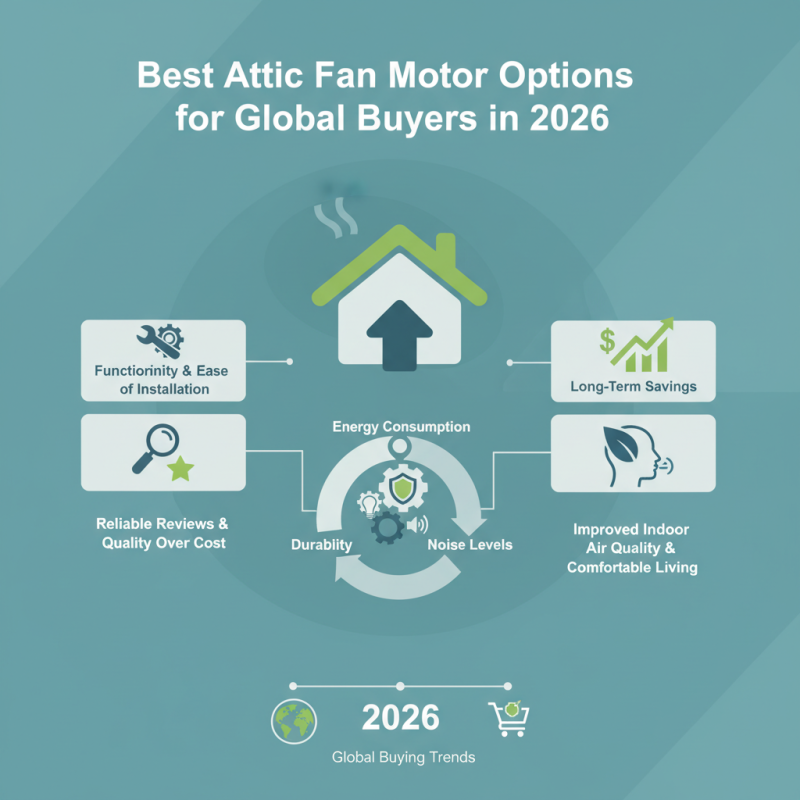
Choosing the right attic fan motor can be overwhelming. Many models claim to offer the best efficiency, but not all deliver on that promise. When selecting an attic fan motor, buyers should consider factors such as energy consumption, durability, and noise levels. These elements can greatly impact the overall effectiveness of the fan.
As consumers navigate through options, some may overlook critical aspects. Functionality and ease of installation are often underestimated. Buyers should reflect on past experiences and seek reliable reviews. It's vital to prioritize quality over cost. An informed choice can lead to a more enjoyable living environment and long-term savings.
Best Attic Fan Motor Types Available for Global Buyers in 2026
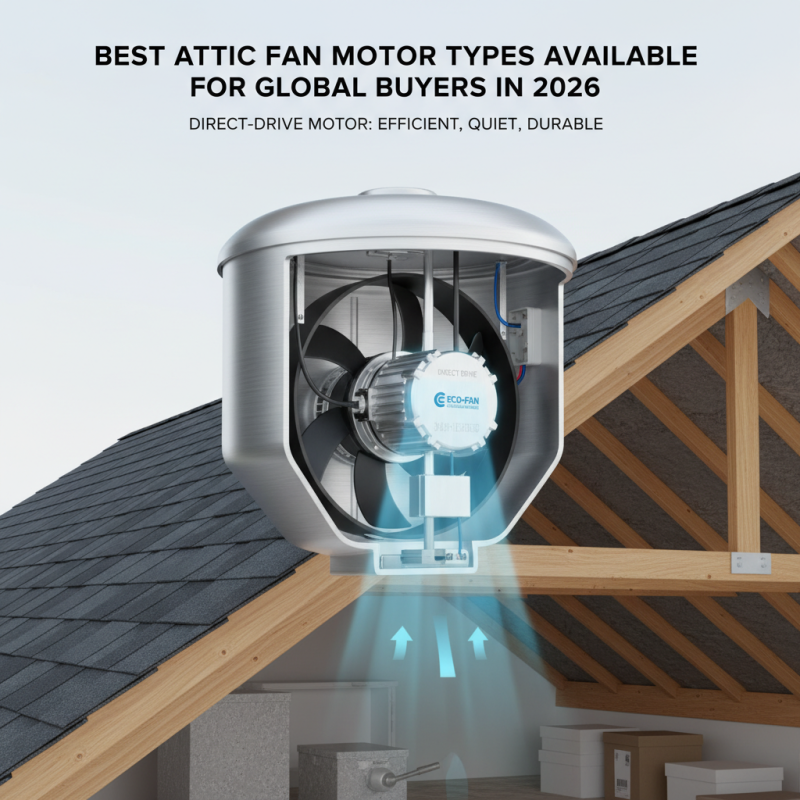
In 2026, global buyers will have a range of attic fan motor types to consider. Each type brings its own set of advantages and drawbacks. A common choice is the direct-drive motor, known for efficiency. These motors run quietly and require less maintenance. Many homeowners appreciate their durability.
Another option is the belt-driven motor. This type is often favored for larger attics. The belts can absorb vibration, leading to lower noise levels. However, they may require occasional adjustments. Some buyers might find these motors more complicated to install.
Solar attic fan motors are gaining popularity as well. They harness solar energy, making them eco-friendly. While they reduce electricity costs, performance can vary based on sunlight. Potential buyers should weigh long-term savings against initial costs. This approach ensures informed decisions tailored to individual needs.
Key Features to Consider When Choosing Attic Fan Motors
When considering attic fan motors, several key features stand out.
Efficiency is essential. Look for motors with high energy efficiency ratings.
This ensures they can effectively circulate air while keeping energy costs low.
Noise level is another critical factor. A quieter motor will not disrupt your daily activities.
Durability is paramount for long-term use.
Fans are often exposed to extreme temperatures. Choose motors made from materials that withstand high heat and humidity.
Additionally, ease of installation can save you time and effort.
Some motors come with clear instructions and require minimal tools.
Lastly, consider the size and power of the motor.
It must fit your attic's dimensions to function properly. Some buyers overlook compatibility with their existing fan systems.
Research is crucial here.
While not every option may seem perfect, understanding these features can lead to more informed decisions.
Comparative Analysis of Energy Efficiency in Attic Fan Motors
When considering attic fan motors, energy efficiency is a crucial factor for buyers worldwide. With rising energy costs, selecting a motor that consumes less energy can directly impact your monthly bills. Efficient attic fans can offer up to 30% savings compared to less efficient models. These motors utilize advanced design and technology, which means they often have better airflow and quieter operation.
However, not all efficient models are created equal. Some may have features that enhance performance, like variable speed settings or better insulation. It's essential to compare specifications carefully. Look for motors labeled with energy efficiency ratings to gauge their performance accurately. While some may seem expensive upfront, the long-term savings might justify the investment.
Despite the advancements in technology, some fans may still struggle in extreme weather conditions. If the attic is poorly insulated, even an efficient motor may not provide the desired cooling effect. This inconsistency highlights the importance of a holistic approach to home ventilation. Homeowners should consider insulation quality alongside motor efficiency for optimal results.
Best Attic Fan Motor Options for Global Buyers in 2026
| Motor Type |
Power Consumption (W) |
Airflow (CFM) |
Energy Efficiency Ratio (EER) |
Noise Level (dB) |
Lifespan (Years) |
| AC Motor |
100 |
1500 |
15 |
50 |
10 |
| DC Motor |
80 |
1600 |
20 |
45 |
15 |
| Solar Powered Motor |
60 |
1400 |
25 |
40 |
20 |
| EC Motor |
50 |
1700 |
30 |
35 |
25 |
Installation and Maintenance Tips for Attic Fan Motors
Proper installation of attic fan motors is crucial for optimal performance. Start by ensuring the fan is appropriately sized for your attic space. A fan that’s too small won’t effectively circulate air, while one that’s too large can cause excessive noise. Always double-check the manufacturer's guidelines regarding installation height and distance from attic vents. This step is vital to achieve the best airflow dynamics.
Regular maintenance is essential for longevity. Inspect the motor every few months for dust accumulation or debris. Clean the blades and ensure nothing obstructs the fan's movement. Lubricating the motor may also be necessary to prevent wear. Noticing odd sounds early can indicate a problem. Addressing issues promptly can save you from more significant repairs later.
Understanding the electrical connections is equally important. Safety should always come first. Ensure that the power source is shut off before starting any work. If wired incorrectly, motors may fail or pose safety risks. Consider consulting a professional if you feel uncertain about your electrical skills. Maintaining the fan can enhance energy efficiency, which is beneficial in the long run.
Attic Fan Motor Performance Ratings (2026)



 Email
Email Whatsapp
 WeChat