China Best Air Conditioner Motor for Global Buyers?
Choosing the right Air Conditioner Motor can significantly impact the efficiency of HVAC systems. China has emerged as a leader in manufacturing these essential components. They offer a range of products to meet various needs. The competition in the global market is fierce. Buyers must understand the nuances of quality and performance.
Chinese manufacturers emphasize innovation and reliability. Many of them adhere to strict quality standards. This commitment helps global buyers find the best options. Yet, not all products are created equal. Some less-known brands may not meet expectations. Consumers should conduct thorough research.
Understanding specifications is crucial in making informed choices. Technical details can be overwhelming. However, buyers need to focus on key features like energy efficiency and durability. A clear assessment helps in selecting the ideal Air Conditioner Motor. Engaging with experts or seeking testimonials may provide additional insights. Ultimately, informed decisions lead to better investments.

Overview of Air Conditioner Motors in China
China is a key player in the global air conditioner motor industry. According to a recent market analysis by Technavio, the AC motor market in China is expected to reach USD 6.12 billion by 2025, reflecting a compound annual growth rate (CAGR) of 4.72%. This growth stems from the increasing demand for energy-efficient products. With air conditioning becoming a necessity, manufacturers are under pressure to innovate.
Chinese manufacturers focus on several aspects. They optimize efficiency and reduce energy consumption. Research shows that about 30% of electricity used in residential buildings comes from AC systems. This highlights the importance of efficient motors. However, some products lag in durability and performance consistency. Feedback from professionals indicates that while many motors are affordable, quality can vary significantly. This inconsistency poses a challenge for buyers looking for reliability and longevity.
The emphasis on sustainability has also shifted industry standards. As governments worldwide push for greener technologies, Chinese manufacturers are investing in research and development. Reports suggest that around 40% of companies are transitioning to eco-friendly practices. Yet, there remains skepticism regarding the effectiveness of some "green" claims. Consumers and businesses alike are urged to scrutinize product specifications carefully, as not all marketed solutions live up to their promises.
Overview of Air Conditioner Motors in China
Factors Influencing the Quality of Air Conditioner Motors
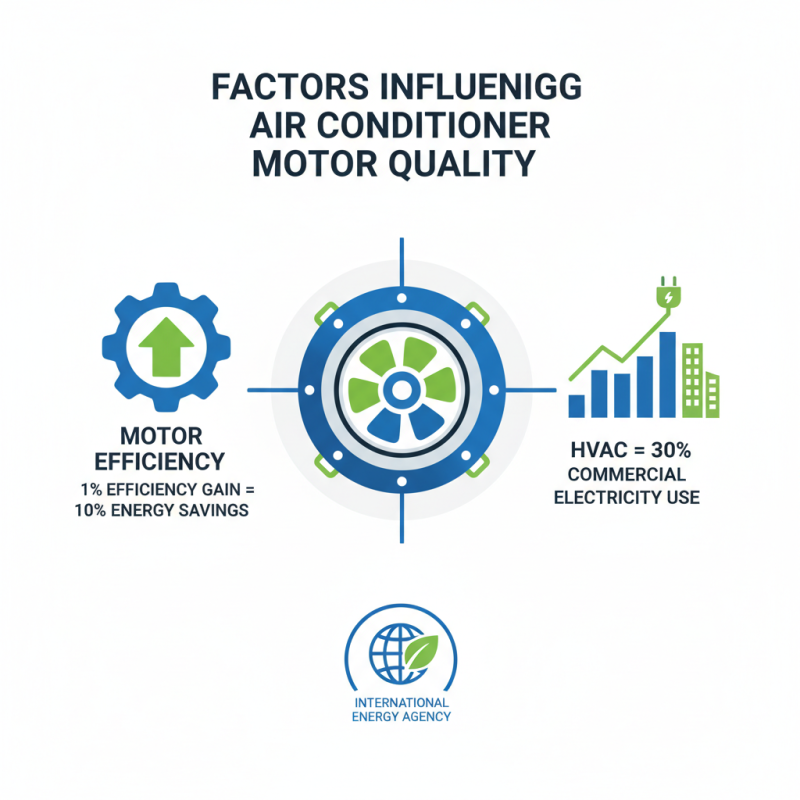
When discussing the quality of air conditioner motors, several factors come into play. Motor efficiency is crucial, impacting both performance and energy consumption. According to the International Energy Agency, improving motor efficiency by just 1% can lead to energy savings of up to 10%. This is significant as HVAC systems account for nearly 30% of total electricity use in commercial buildings.
Another factor is the materials used in motor construction. High-quality steel and copper can enhance magnetic properties. Reports suggest that motors with better materials can operate 5% to 15% more efficiently. However, the availability of these materials impacts production costs and, ultimately, the end price for consumers.
Finally, manufacturing techniques influence the reliability and longevity of motors. Advanced techniques like precision winding can reduce failures. Yet, not all manufacturers invest in cutting-edge technology. This discrepancy can lead to varied performance across products. Ensuring high production standards is critical for delivering quality motors. As the industry evolves, ongoing analysis of these factors is essential for maintaining competitiveness in the global market.
Top Manufacturers of Air Conditioner Motors in China
China has emerged as a key player in manufacturing air conditioner motors. Many global buyers seek high-quality and reliable components for HVAC systems. The competitive landscape in China includes several top manufacturers dedicated to innovation and efficiency. They use advanced technologies to produce motors with better energy efficiency and longer lifespans.
These manufacturers often focus on meeting international standards. However, not all factories adhere to the same level of quality control. This inconsistency can make it challenging for buyers to select the right suppliers. It's essential for businesses to conduct thorough research. Engaging with suppliers directly can provide valuable insights into their production processes.
Additionally, buyers should consider the specific application of the motors. Not every motor is suitable for every air conditioning unit. Understanding technical specifications and compatibility is vital. A well-informed choice can lead to better performance and greater energy savings. This approach enhances reliability and consumer satisfaction in the long run.
Key Features to Look for in Air Conditioner Motors
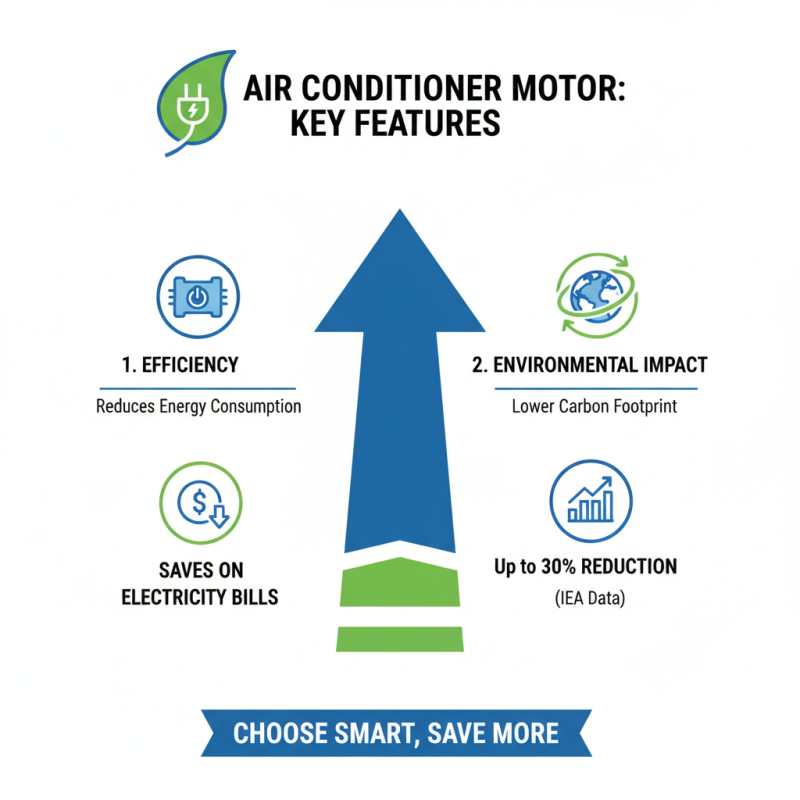
When selecting air conditioner motors, several key features stand out. Efficiency is paramount. According to the International Energy Agency, improving motor efficiencies can reduce energy consumption by up to 30%. A high-efficiency motor not only lowers electricity bills, but also minimizes environmental impact.
Reliability is another critical factor. Motors must withstand varying temperatures and humidity levels. Research from the Electric Power Research Institute indicates that reliable motors can last more than 20,000 hours of continuous usage. Buyers should look for motors with robust materials that resist wear and tear. For instance, copper windings tend to perform better than aluminum in challenging conditions.
Noise levels also deserve attention. A quieter motor enhances user comfort, especially in residential areas. Studies reveal that noise from air conditioning systems can increase stress levels. Choosing a motor designed with noise reduction features can lead to a more pleasant living environment. Understanding these characteristics can guide buyers in making better decisions when sourcing air conditioner motors.
Comparative Analysis of China’s Air Conditioner Motors for Global Markets
China has emerged as a key player in the global air conditioner motor market. The comparative analysis reveals a variety of options that cater to different buyer needs. The efficiency of these motors is impressive, often surpassing other regions in energy conservation. However, potential buyers must consider factors beyond just performance.
While many Chinese manufacturers excel in production, some motors may lack consistency in quality. Variations in material sourcing and manufacturing practices can lead to reliability issues. It’s essential for global buyers to conduct thorough research and understand the specifications required for their HVAC systems.
The price point is another critical factor. Some air conditioner motors may offer excellent performance at a low cost. Yet, there’s a risk of compromising quality for affordability. Understanding this balance is vital for making informed decisions. Ultimately, the right choice will rely on individual requirements, long-term reliability, and value for the investment.
Comparative Analysis of China’s Air Conditioner Motors for Global Markets
| Motor Type |
Power Rating (W) |
Efficiency (%) |
Voltage (V) |
Weight (kg) |
Price (USD) |
| Single-phase Induction Motor |
750 |
85 |
220 |
9.0 |
120 |
| Three-phase Induction Motor |
1500 |
92 |
380 |
17.0 |
250 |
| Brushless DC Motor |
600 |
90 |
48 |
8.0 |
150 |
| Switched Reluctance Motor |
1200 |
88 |
220 |
10.5 |
180 |



 Email
Email Whatsapp
 WeChat