Understanding the Importance of Reliable Fan Motors in Air Conditioning Units
In the realm of air conditioning systems, the significance of a reliable fan motor cannot be overstated, particularly when discussing the efficiency and longevity of units. According to the U.S. Department of Energy, nearly 20% of a building's energy consumption is due to heating, ventilation, and air conditioning (HVAC) systems, where the fan motor plays a crucial role in maintaining optimal indoor environments. The fan motor for AC unit is integral not only for efficient air circulation but also for ensuring the system operates within its intended energy efficiency parameters. A study by the American Society of Heating, Refrigerating and Air-Conditioning Engineers (ASHRAE) indicates that poorly functioning fan motors can lead to an additional 30% increase in operational costs over time. Therefore, understanding the importance of investing in high-quality fan motors is essential for both consumer satisfaction and overall energy savings in HVAC performance.
The Role of Fan Motors in Efficient Air Conditioning Performance
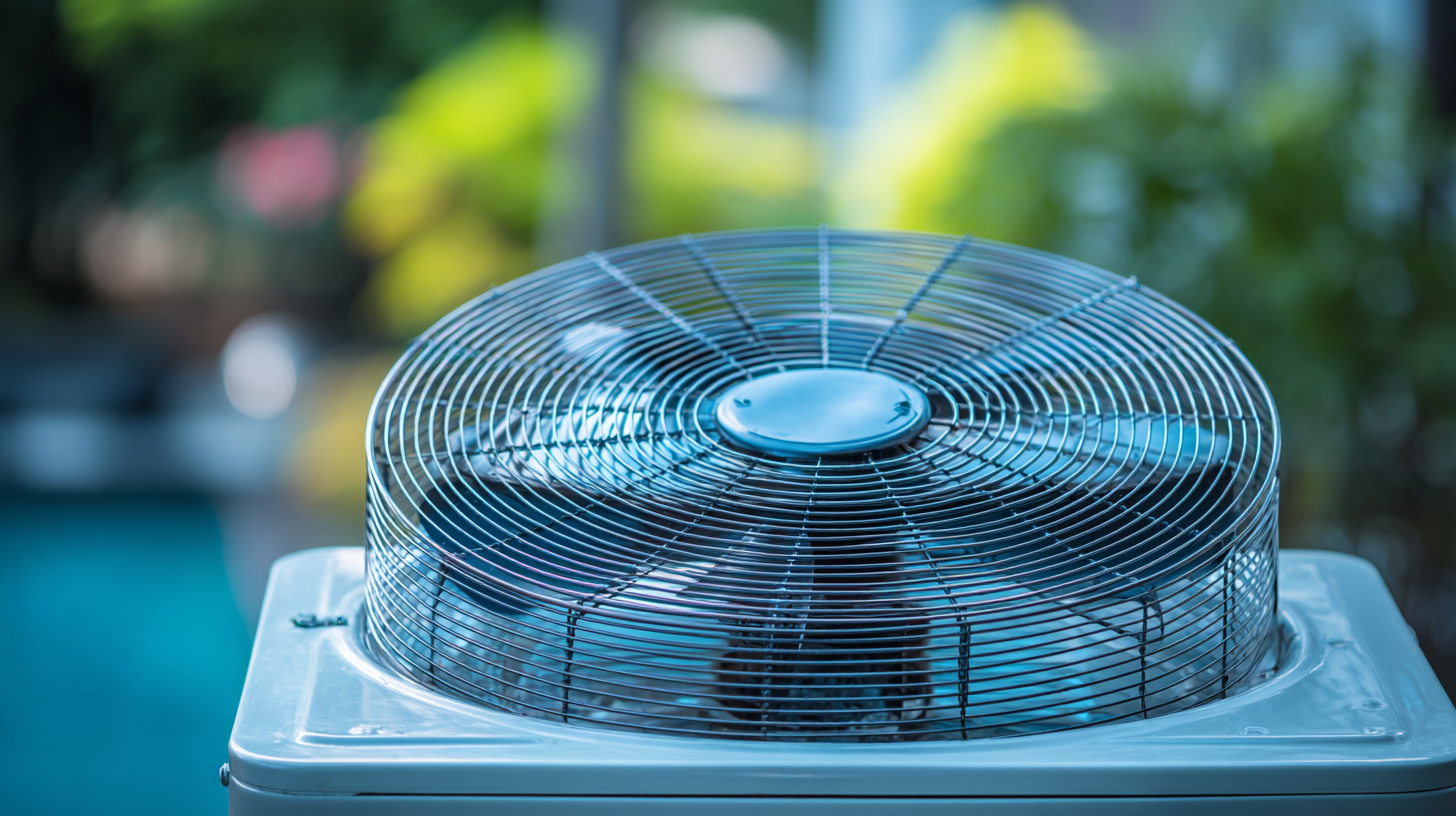
Fan motors play a crucial role in the overall performance of air conditioning units. These components are responsible for circulating air throughout the system, ensuring that cooled air reaches every corner of a space efficiently. The effectiveness of an air conditioning unit largely depends on how well the fan motor operates, as it affects both the speed and volume of airflow. A reliable fan motor not only enhances comfort by maintaining consistent temperatures but also improves energy efficiency, reducing operational costs.
Moreover, the quality of the fan motor can significantly influence the lifespan of the air conditioning unit. High-quality motors are designed to withstand continuous use without overheating or causing damage to other components. When fan motors are functioning optimally, the system experiences less strain, leading to fewer breakdowns and a longer overall lifespan. Therefore, investing in reliable fan motors is essential for homeowners and businesses aiming to ensure efficient air conditioning performance while minimizing maintenance issues.
Key Features to Look for in Reliable Air Conditioning Fan Motors
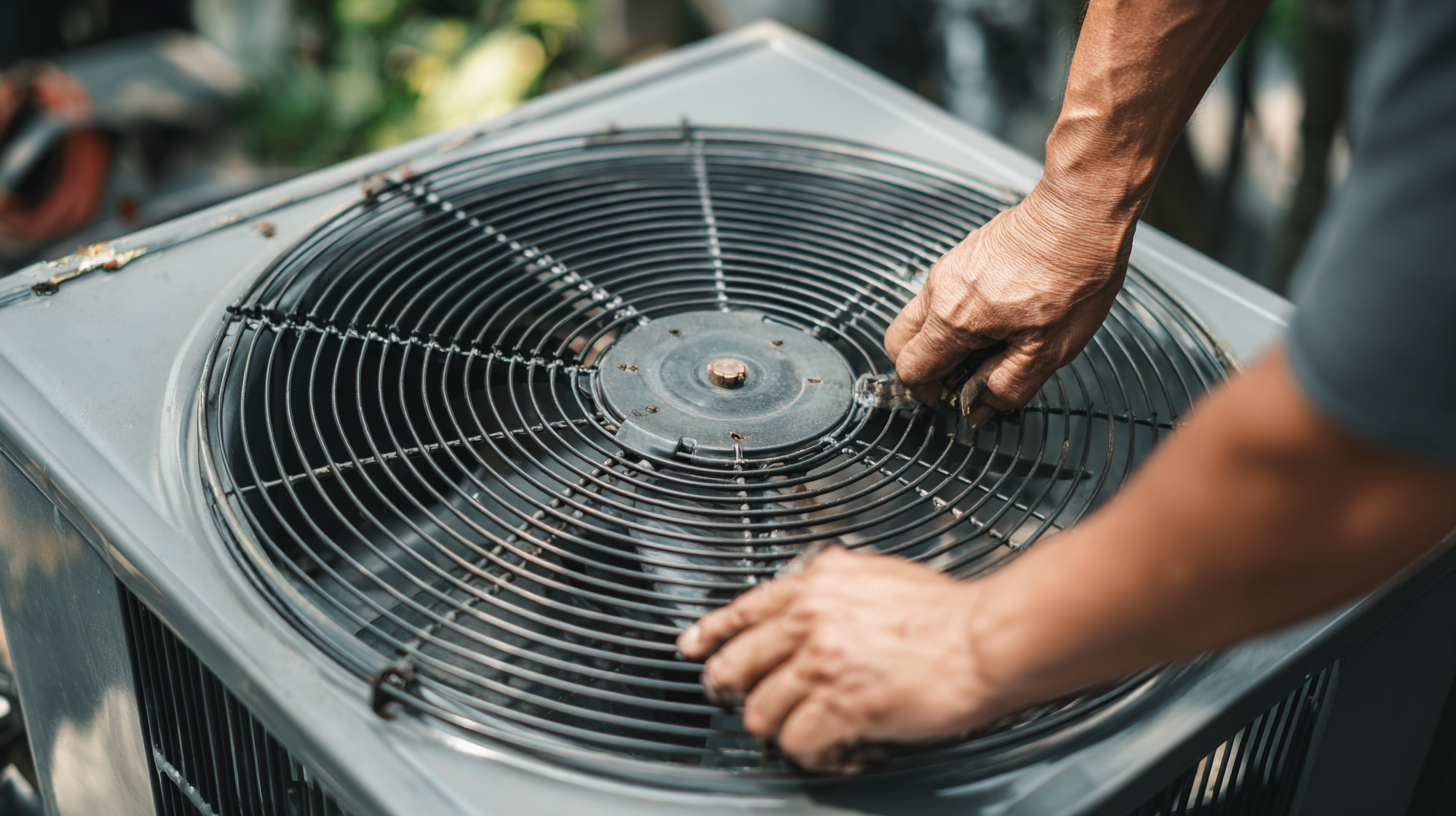
When selecting reliable fan motors for air conditioning units, certain key features play a crucial role in ensuring optimal performance and longevity. One of the most important aspects to consider is the motor's energy efficiency. Motors designed with high efficiency not only reduce energy consumption but also lower operational costs, making them an economically wise choice. Look for motors that have high energy efficiency ratings, as this indicates that they optimize performance while minimizing waste.
Another significant feature to evaluate is the build quality of the motor. High-quality materials and robust construction can enhance the motor's durability and resistance to wear and tear over time. Look for motors that are sealed against moisture and dust, as this will help prevent corrosion and other environmental damage. Additionally, consider the motor's cooling mechanisms; effective cooling designs can prevent overheating, extending the motor's lifespan and ensuring consistent operation in various conditions. Selecting a motor with these key features will contribute to a dependable and efficient air conditioning system.
Understanding the Importance of Reliable Fan Motors in Air Conditioning Units - Key Features to Look for in Reliable Air Conditioning Fan Motors
| Feature |
Description |
Importance |
| Durability |
High-quality materials that withstand extreme temperatures and conditions. |
Ensures longevity and reduces maintenance costs over time. |
| Energy Efficiency |
Motors designed to consume less power while providing optimal performance. |
Reduces energy bills and environmental impact. |
| Noise Level |
Low operating noise for a comfortable environment. |
Enhances user comfort and satisfaction in residential or commercial settings. |
| Cooling Performance |
Effective airflow and cooling capabilities. |
Crucial for maintaining the desired indoor temperature efficiently. |
| Warranty |
Extended warranty terms indicating reliability. |
Provides assurance of quality and manufacturer confidence. |
Common Issues Caused by Poor Quality Fan Motors in AC Units
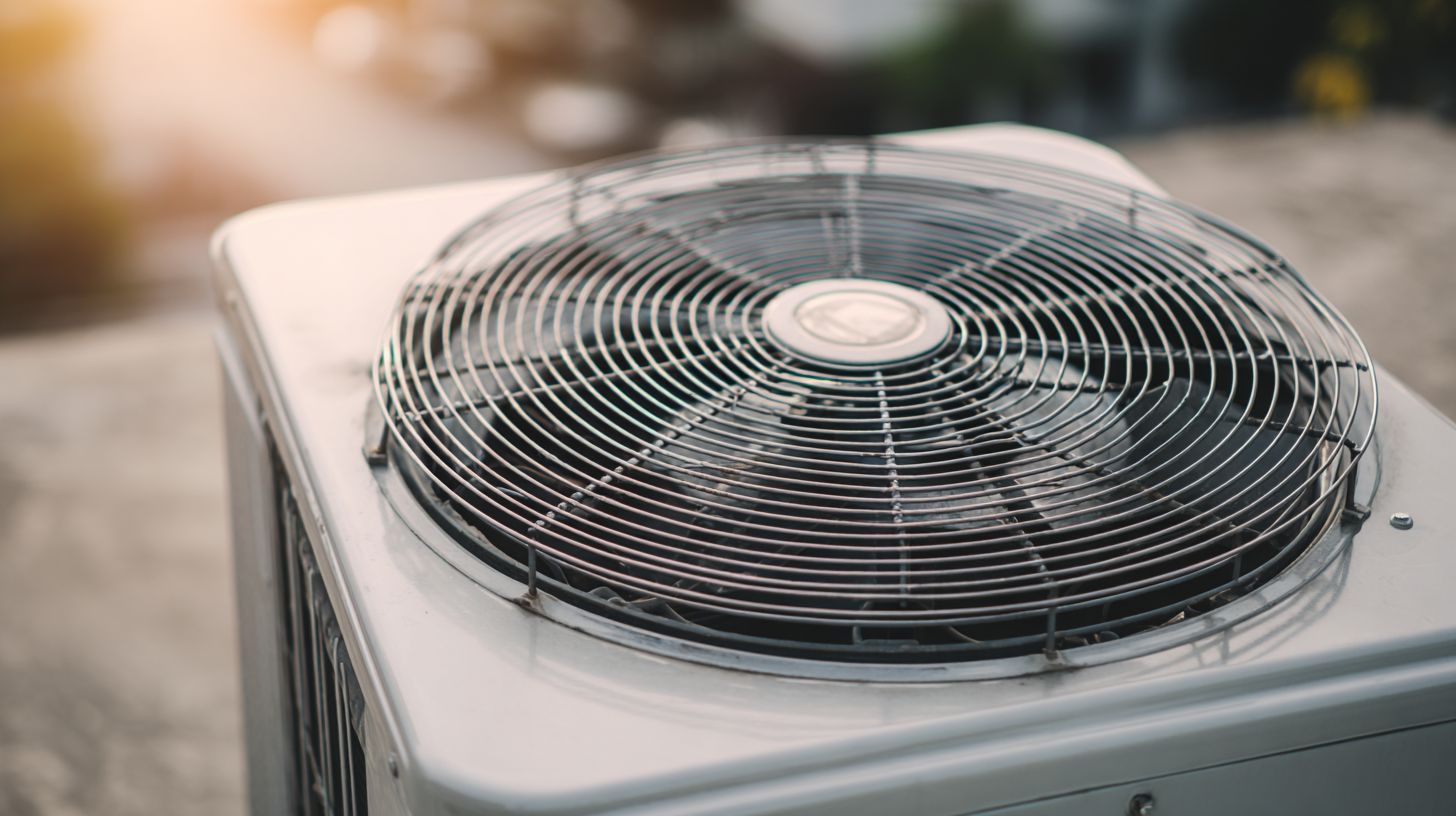 The efficacy of air conditioning units heavily relies on the quality of their internal components, with fan motors being a crucial element. Poor-quality fan motors can lead to a range of operational issues that compromise the unit's performance. According to a report by the Air Conditioning Contractors of America (ACCA), nearly 30% of air conditioning failures are attributed to malfunctioning fan motors. These failures can result in inadequate airflow, increased energy consumption, and ultimately, higher operational costs.
Moreover, inferior fan motors often lead to overheating and burnout, creating a domino effect of further complications. The U.S. Department of Energy highlights that inefficient fan motors can reduce the system's efficiency by up to 15%, significantly impacting energy savings. Additionally, prolonged use of subpar fan motors can lead to costly repairs and shorten the lifespan of the entire unit. Investing in quality fan motors is essential not only for maintaining optimal performance but also for ensuring long-term reliability and efficiency in air conditioning systems.
Maintaining Fan Motor Reliability for Optimal Cooling Efficiency
The reliability of fan motors in air conditioning units is crucial for maintaining optimal cooling efficiency. A well-functioning fan motor ensures that cool air is effectively circulated throughout a space, providing comfort during warm weather. However, when fan motors fail, the flow of air can diminish significantly, leading to increased energy consumption and decreased cooling performance. Regular maintenance of these components is therefore necessary to prevent unexpected breakdowns and to ensure the unit operates at its peak efficiency.
To maintain fan motor reliability, routine checks should be implemented as part of a comprehensive HVAC maintenance plan. This includes inspecting wiring connections, lubricating moving parts, and cleaning debris that may hinder performance. Additionally, investing in high-quality fan motors can yield long-term benefits by reducing the frequency of repairs and enhancing overall functionality. By prioritizing the upkeep of fan motors, homeowners and facility managers can not only ensure a comfortable environment but also extend the lifespan of their air conditioning systems, ultimately leading to cost savings and improved energy efficiency.
The Impact of Fan Motor Failure on Overall Air Conditioning Systems
The fan motor is a critical component of air conditioning units, playing a vital role in the cooling process. When a fan motor fails, the repercussions can extend far beyond an inefficiency in air circulation. A malfunctioning motor can lead to inadequate cooling, causing the entire system to struggle in maintaining desired temperatures. This inefficiency not only affects comfort levels but can also force the air conditioner to work harder, which may result in increased energy consumption and higher utility bills.
Moreover, the failure of a fan motor can potentially damage other elements of the air conditioning system. For instance, if the motor stops functioning altogether, the unit may overheat, leading to compressor damage—a costly repair. Additionally, stagnant air can create conditions conducive to mold growth, adversely affecting indoor air quality. Therefore, understanding the significance of reliable fan motors and conducting regular maintenance checks is essential for ensuring the longevity and efficiency of air conditioning systems.



 Email
Email Whatsapp
 WeChat