What Are the Signs of a Failing Air Conditioner Motor?
Air conditioning systems are vital for comfort in homes and workplaces. An essential component is the Air Conditioner Motor. According to a report by the American Society of Heating, Refrigerating and Air-Conditioning Engineers (ASHRAE), around 30% of all HVAC failures stem from motor issues. When a motor begins to fail, identifying the signs becomes crucial.
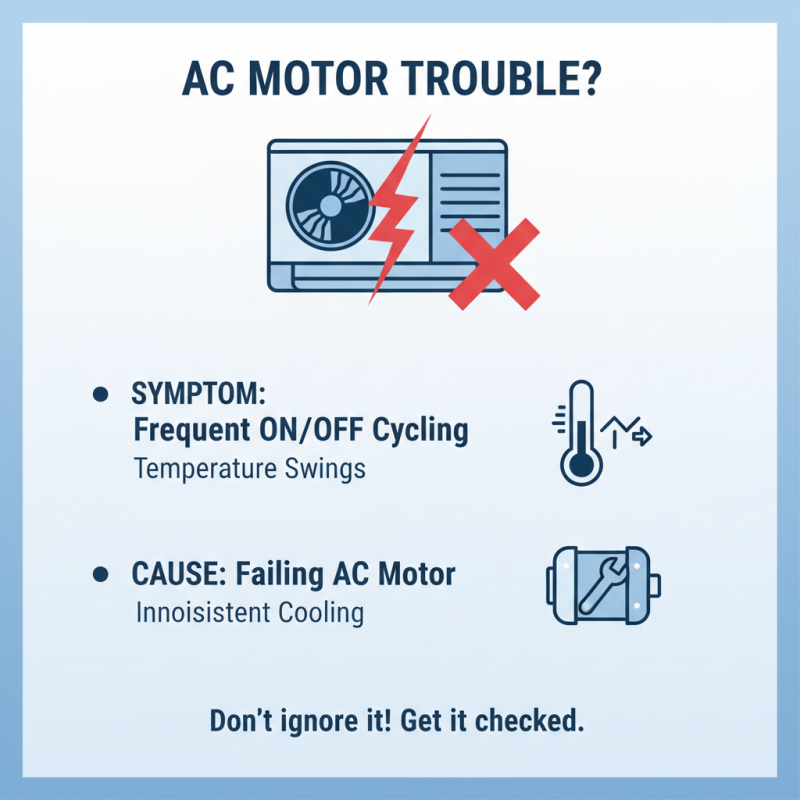
Expert John Smith, an HVAC technician with over 20 years of experience, states, "Ignoring early signs of a failing air conditioning motor can lead to costly repairs." Common indicators include unusual noises, decreased airflow, or frequent cycling on and off. These symptoms may seem minor but can escalate quickly.
Understanding how to recognize these signs is paramount. A failing motor can lead to system breakdowns. Homeowners often overlook the importance of monitoring their Air Conditioner Motor. Addressing issues early might prevent complete system failure. Awareness of these signs can save time and money, offering peace of mind during hot months.
Signs of Decreased Airflow and Comfort in Your Space
When your air conditioner struggles, it can lead to decreased airflow. You might notice hot spots in your home. These areas feel muggy or uncomfortable. The air simply doesn’t flow like it used to. A fading motor can’t push air effectively, reducing comfort.
Sounds also change as the unit works harder. Unusual noises, like grinding or squeaking, may emerge. These sounds often indicate stress on the motor. Additionally, rising energy bills can signal a problem. An inefficient motor uses more energy, straining your budget.
Regular maintenance is crucial. Clean filters and coils can help, but if issues persist, you should evaluate the motor. Watch for signs of wear or overheating. Addressing these small problems may save you from larger headaches down the line. It's easy to overlook these signs in our busy lives, but awareness can prevent more significant discomfort.
Unusual Noises Indicating Air Conditioner Motor Failure
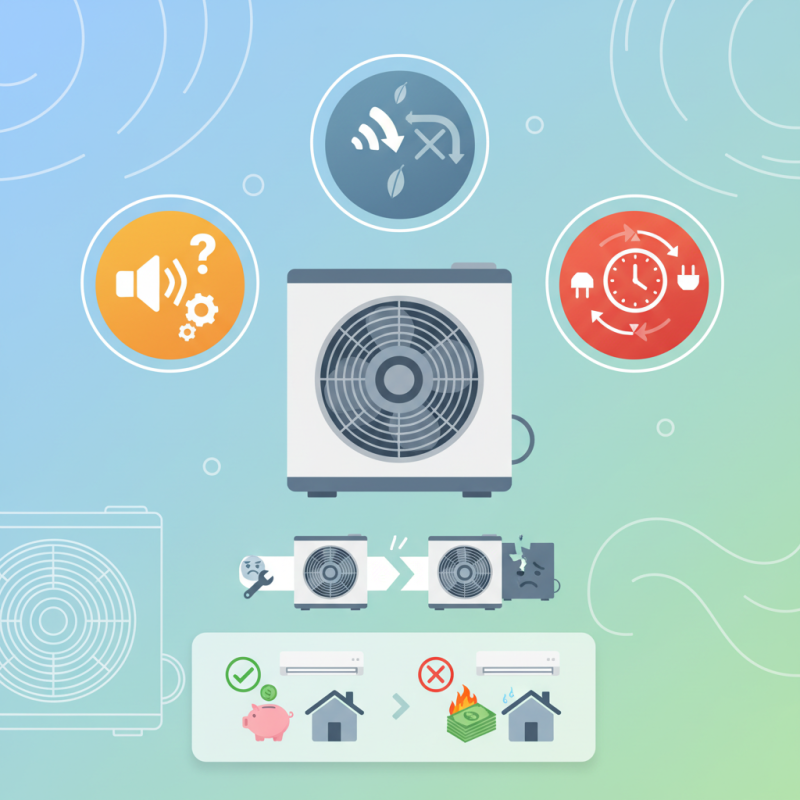
Unusual noises can be a clear sign of a failing air conditioner motor. Common sounds include
squeaking,
grinding, or
rattling. These noises often indicate that components are wearing out or
becoming misaligned. According to industry reports, about
30% of HVAC failures are linked to motor issues. If you ignore these signs, more
damage can occur, leading to costly repairs.
A high-pitched squeal may mean that the motor bearings are malfunctioning. It could also suggest that the fan is hitting another component.
Grinding noises often signal that the motor's shaft is rubbing against something.
Immediate attention is needed to avoid further complications.
It’s essential to conduct regular maintenance, as many homeowners overlook this aspect.
Statistics show that only
20% of air conditioners receive necessary servicing annually.
Keep an ear out for these sounds. Documenting them helps technicians diagnose issues quickly. If unusual noises persist, don’t wait for
complete failure. Recognize that ignoring these signs can lead to
inconvenient breakdowns and increased energy costs. A proactive approach can extend
your system's life significantly.
Increased Energy Bills Due to Motor Inefficiency
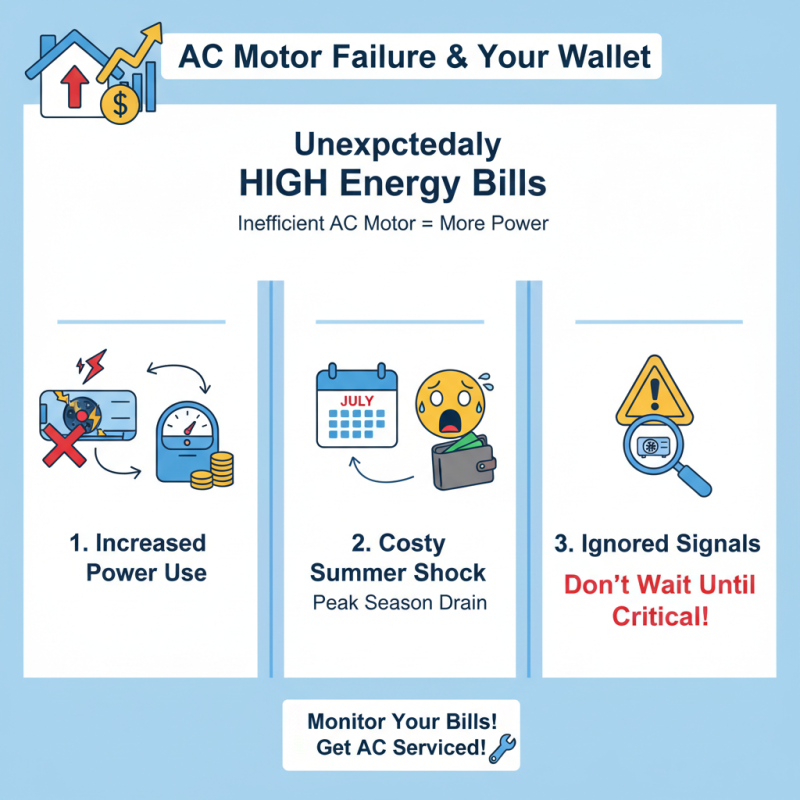
A failing air conditioner motor can lead to unexpectedly high energy bills. When the motor is inefficient, it often requires more power to cool your space. You may notice a steady increase in your electricity costs. This can come as a shock, especially in the peak of summer. Many ignore this signal until it becomes critical.
Over time, a struggling motor may develop certain symptoms. Odd noises often emerge, like grinding or humming, signaling wear and tear. On top of that, the air flow may weaken. Rooms may feel warmer than before, even when your system is running. If your air conditioning unit operates constantly but still fails to cool, it’s time to investigate.
Keep an eye on these signs, and don't wait too long. A small issue can escalate quickly. Delaying action can lead to costly repairs. Inefficiency not only drains your wallet but also affects comfort at home. A failure to address motor issues may result in a complete breakdown, leaving you without cooling when it's most needed.
Visible Signs of Wear or Damage on the Motor Components
When an air conditioner motor starts failing, visible signs often emerge. One significant indicator is the presence of rust or corrosion on metal parts. Check for any discoloration or flaking paint. These issues can compromise the motor's efficiency. Dust buildup can also signal problems. If you notice excessive dirt around the rotor or surrounding areas, it may affect performance.
Worn bearings or loose components create unusual noises. Listen for grinding or squeaking sounds. These noises often indicate mechanical distress. Vibration might also increase as the motor struggles. Changes in vibration patterns are often overlooked, yet they can point to impending failure.
Keep an eye on electrical connections as well. Loose or damaged wires can lead to short circuits. Aging or burnt insulation is another crucial sign. It’s essential to conduct regular checks. Identifying these visible signs prolongs the motor's lifespan. Regular maintenance could potentially prevent significant repairs. Ignoring these signs might result in costly problems down the road. A little attention now can save much trouble later.
Signs of a Failing Air Conditioner Motor



 Email
Email Whatsapp
 WeChat