Why is Your HVAC Blower Motor Important for Home Comfort?
The HVAC blower motor is a vital component of your home’s heating and cooling system. It plays a crucial role in maintaining indoor comfort. When it operates efficiently, it circulates air throughout your home, ensuring that every room reaches the desired temperature. A well-functioning HVAC blower motor can help reduce energy costs and enhance air quality.
However, problems can arise with the motor. Regular maintenance is essential to prolong its lifespan. Ignoring issues may lead to reduced air circulation or higher energy bills. In some cases, you might even face complete system failure. Recognizing the importance of the HVAC blower motor can prevent these costly problems.
Many homeowners may overlook this component until issues arise. It is easy to forget that proper airflow relies heavily on the blower motor. Understanding its function and significance can help you make informed decisions about maintenance and repairs. Investing time and resources into your HVAC system, particularly the blower motor, ensures a comfortable living environment for you and your family.
The Role of HVAC Blower Motors in Home Climate Control
The HVAC blower motor is crucial for maintaining home comfort. It influences the circulation of air, directly affecting indoor air quality and temperature. According to the U.S. Department of Energy, nearly half of a home's energy use goes toward heating and cooling. An efficient blower motor can enhance this efficiency.
Without a properly functioning blower motor, homes may become unevenly heated or cooled. Areas may feel drafty or stuffy, leading to discomfort. Additionally, the lack of airflow can cause strain on the HVAC system, increasing energy bills by up to 30% as it works harder to achieve the desired climate.
Annual maintenance can improve blower motor performance. Yet, many homeowners neglect this aspect, leading to potential issues. Studies indicate that 85% of HVAC breakdowns stem from a lack of regular upkeep. This statistic highlights the importance of monitoring the blower motor and scheduling timely inspections. Without attention, comfort may suffer, and costs may rise.
Understanding the Functionality of Blower Motors in HVAC Systems
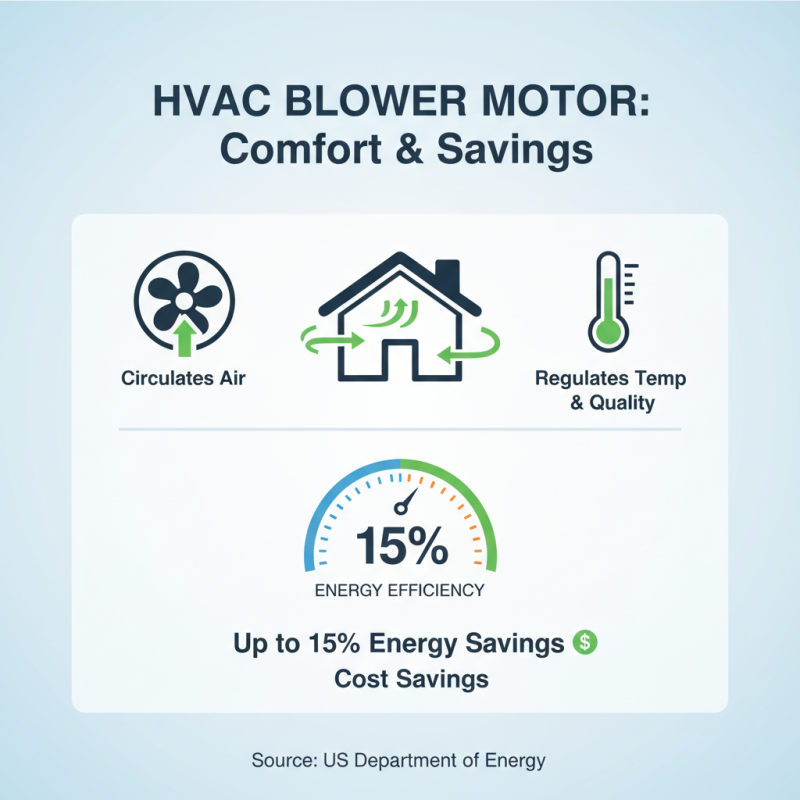
The HVAC blower motor plays a crucial role in maintaining home comfort. It circulates air throughout the system, affecting indoor temperature and air quality. According to the U.S. Department of Energy, a well-functioning blower motor can boost energy efficiency by up to 15%. This efficiency translates to both comfort and cost savings.
Blower motors come in various types, including single-speed and variable-speed models. Single-speed motors run at a fixed rate, which can lead to temperature fluctuations. Variable-speed motors, however, offer more precise control over airflow. A 2021 report from the American Society of Heating, Refrigerating and Air-Conditioning Engineers (ASHRAE) notes that variable-speed motors are more effective in maintaining a consistent home environment.
Understanding your blower motor’s functionality is important. Dust and debris can accumulate, affecting performance. Regular maintenance is necessary but can often be overlooked. In fact, a C.H.A. study found that nearly 30% of HVAC systems have issues related to blower motor functionality. Awareness of this can lead to improvement and efficiency in HVAC systems.
Factors Affecting the Performance of HVAC Blower Motors
The performance of your HVAC blower motor significantly impacts your home comfort. Several factors contribute to how effectively this crucial component operates. Dust and debris can accumulate over time, leading to reduced airflow. Regular cleaning and maintenance are essential to ensure optimal function.
Moreover, the motor’s age plays a pivotal role. Older motors may struggle to keep up with demand, affecting heating and cooling efficiency. You might notice fluctuating temperatures in your home, which can be frustrating. Additionally, electrical issues or faulty wiring can hinder performance, leading to system failures.
Temperature fluctuations can drive homeowners to seek repairs or replacements. Yet, understanding the motor’s role can prevent premature issues. Pondering on your HVAC system's efficiency means recognizing the blower motor's importance in maintaining a comfortable living environment. Regular inspections can help address potential problems before they escalate.
Factors Affecting the Performance of HVAC Blower Motors
This chart illustrates the performance ratings of various factors affecting HVAC blower motors. Key areas such as airflow, energy efficiency, noise level, durability, and maintenance frequency are assessed on a scale of 1 to 10, showcasing their importance to overall home comfort.
Signs Your Blower Motor May Need Repair or Replacement
The HVAC blower motor plays a critical role in regulating your home’s temperature. When it’s functioning properly, air circulates seamlessly throughout your space. However, certain signs indicate that it may need repair or replacement.
Listen carefully for unusual noises coming from your HVAC system. Grinding or squeaking sounds often signal a failing motor. Additionally, if you notice uneven heating or cooling in various rooms, it could be due to inadequate airflow. Dust accumulation around vents can also point to blower motor issues.
Another important observation is fluctuating airflow. If the air feels weak or stops flowing entirely, it’s time to take action. Ignoring these signs may lead to more extensive damage and costly repairs. Keep an eye on your HVAC system to maintain comfort at home.
Energy Efficiency and Cost Savings with a Well-Functioning Blower Motor
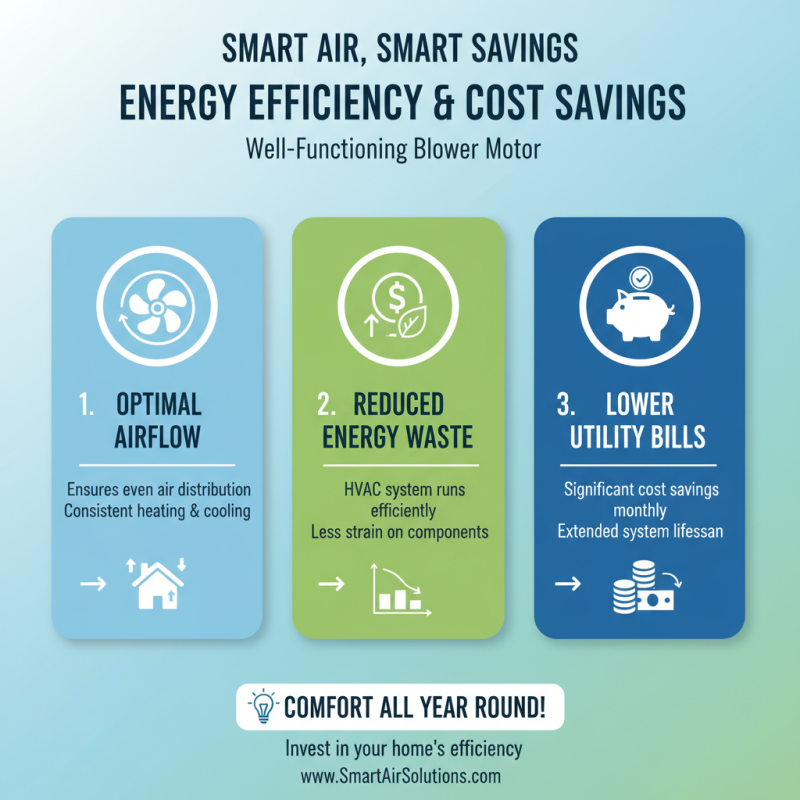
The blower motor plays a critical role in your HVAC system's function. A well-functioning blower motor ensures even airflow throughout your home. This consistency enhances comfort levels, particularly during extreme weather conditions. When warm air moves freely in winter or cool air circulates in summer, you enjoy a more stable indoor environment.
Energy efficiency is another significant advantage of a reliable blower motor. An efficient motor consumes less electricity, which reduces monthly utility bills. Inadequate airflow caused by a malfunctioning blower can strain your HVAC system, leading to higher energy consumption. Over time, this could result in costly repairs or even the need for a full system replacement. Regular maintenance checks are essential, yet many homeowners overlook them.
Cost savings can be substantial with proper care for the blower motor. Investing in timely service can prevent unexpected expenses. Homeowners often realize the value of preventative maintenance only after facing a breakdown. A little attention now can lead to major savings later, but awareness is key. Pay attention to airflow issues, as they may indicate a problem with your blower motor that needs addressing.



 Email
Email Whatsapp
 WeChat