Heat Blower Fan Tips for Efficient Home Heating Solutions?
When it comes to home heating, a Heat Blower Fan can be a game-changer. This device circulates warm air efficiently, helping to maintain a cozy environment. However, many users might not fully understand its potential. It’s important to learn how to use this tool effectively for maximum comfort.
Installing a Heat Blower Fan can seem simple, yet improper placement might lead to uneven heating. Take time to consider where you’ll get the best airflow. Factors like room size and furniture layout play a crucial role. Some fans are noisier than others, which can be distracting. Finding a balance between noise and efficiency is essential.
Keep in mind that the quality of your Heat Blower Fan matters. Not all models offer the same performance. Some may consume more energy than expected, impacting your bills. Researching different brands and their features can save both energy and money. Emphasizing these details can greatly enhance your heating experience this winter.
Understanding Heat Blower Fans and Their Functionality
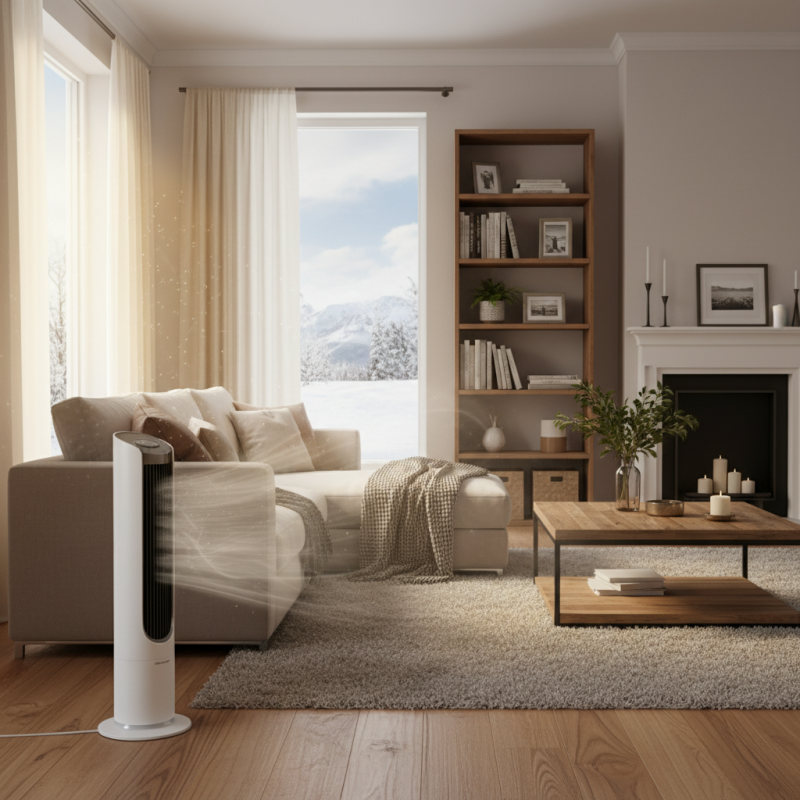
Heat blower fans play a crucial role in home heating solutions. These devices work by drawing in cooler air and pushing out warm air, distributing heat evenly throughout a room. Their design allows them to heat spaces quickly, making them a popular choice during chilly months. However, their efficiency largely depends on placement and usage.
Positioning the fan near a heat source can enhance performance. This helps maximize heat distribution while minimizing energy waste. Regular maintenance is also essential. Dust buildup can block airflow and reduce efficiency. Check filters and clean the fan often.
Noise can sometimes be an issue. Some fans operate quietly, while others are loud. This may affect comfort. It’s good to test various models to find one that suits your environment. Also, keep in mind that without proper insulation, much of the heat can escape. Ensuring your home is well-insulated is just as important.
Heat Blower Fan Efficiency Comparison
This bar chart illustrates the efficiency ratings of different heat blower fan models for effective home heating solutions. Higher ratings indicate better heating effectiveness and energy efficiency.
Choosing the Right Heat Blower Fan for Your Home Heating Needs
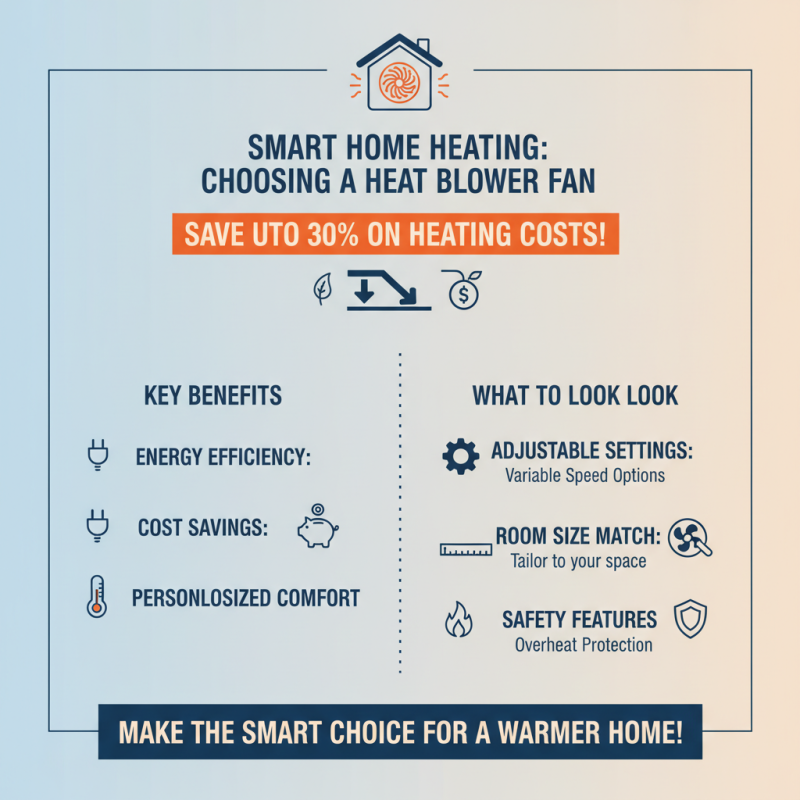
When considering a heat blower fan for home heating, efficiency is key. A recent study by the American Council for an Energy-Efficient Economy reveals that using a heat blower can save homeowners up to 30% on heating costs. Choosing the right model for your needs can maximize these savings. You should look for fans with adjustable settings. Variable speed options allow for more personalized heating, adapting to different room sizes and temperatures.
Moreover, size matters. A fan that's too small won't distribute heat effectively. Conversely, an oversized unit can lead to wasted energy. The Department of Energy suggests calculating the room’s volume to choose an appropriate fan size. Additionally, be mindful of noise levels. Some heat blowers can be quite loud, which is a critical factor if placed in bedrooms or living areas.
Remember, there's no one-size-fits-all solution. What works for one home may not work for another. It's essential to assess your heating needs thoroughly. Read reviews and aim for a balance between cost and functionality. Each choice can impact both comfort and energy bills. Don't overlook the importance of maintenance. Regular cleaning can prevent efficiency loss over time, ensuring your heat blower fan performs optimally.
Tips for Optimal Placement of Heat Blower Fans in Your Living Space
When positioning heat blower fans in your living space, consider the airflow. Place the fan near walls or corners to maximize warmth distribution. This helps eliminate cold spots and makes the space feel cozier. Sometimes, people just point fans at the center of the room. This won't always provide effective heating.
Another tip is to avoid blocking the fan's airflow. Ensure furniture or curtains don't obstruct the path. A clear space enhances performance. If you notice uneven heating, you may need to adjust the fan. It’s a small detail, but it can make a big difference in comfort.
Remember to experiment with placement. The best spot might vary depending on room layout. You may need to move the fan regularly. This can be slightly inconvenient, but worth the effort. Finding the right positioning is essential for creating a warm and inviting atmosphere. Heat blower fans can be efficient tools when used thoughtfully.
Heat Blower Fan Tips for Efficient Home Heating Solutions
| Placement Area |
Recommended Height (inches) |
Direction |
Purpose |
| Living Room |
24 - 36 |
Outward |
Circulate warm air |
| Bedroom |
18 - 24 |
Outward |
Maintain warmth |
| Hallway |
30 - 40 |
Horizontal |
Even heat distribution |
| Basement |
12 - 24 |
Upward |
Warm up cold air |
| Garage |
24 - 30 |
Outward |
Prevent freezing |
Energy-Saving Strategies Using Heat Blower Fans Effectively
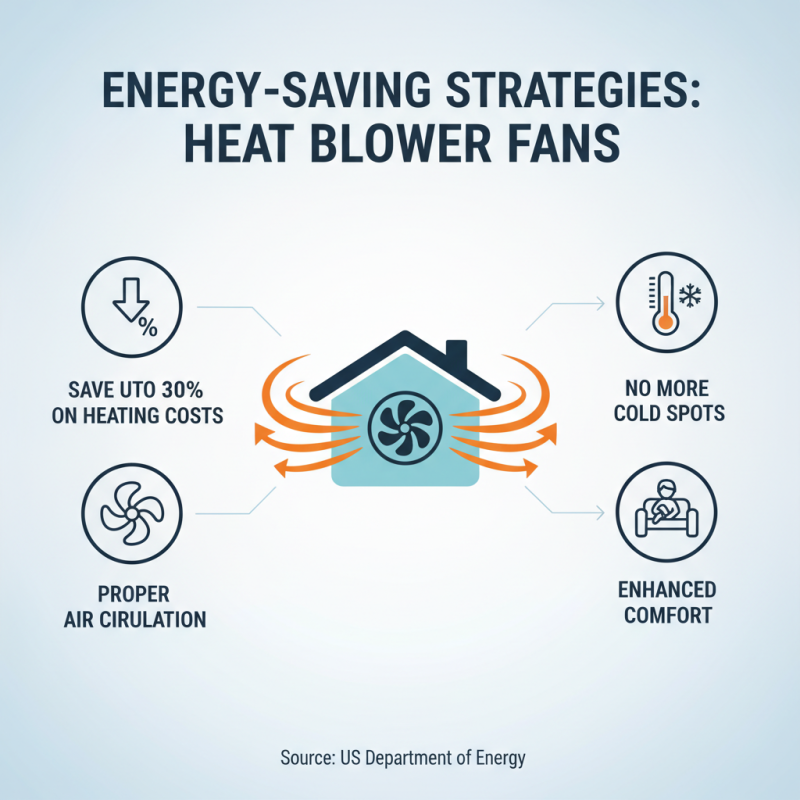
When it comes to home heating, heat blower fans can significantly boost energy efficiency. According to the U.S. Department of Energy, proper air circulation can reduce heating costs by up to 30%. Fans help distribute warm air evenly, preventing cold spots and enhancing comfort levels.
**Tip**: Position your heat blower fans near the coldest areas of your room. This directs warm air where it is needed most. It's an easy step to maximize warmth without cranking up the thermostat.
Moreover, using a programmable timer can further enhance energy savings. Studies show that homes using timers consume about 10% less energy. You can set your fans to operate during peak usage hours. This approach ensures you maintain comfort while reducing unnecessary costs.
**Tip**: Insulate your home. Many homes have leaks that let warm air escape. Sealing drafts with caulk or weather stripping is a simple fix to prevent energy waste.
While heat blower fans offer efficient home heating, their impact can wane if not used correctly. Evaluate your home’s layout and heating efficiency regularly. Small adjustments can lead to significant changes in comfort and energy bills.
Maintaining and Troubleshooting Heat Blower Fans for Longevity
Heat blower fans are essential for maintaining a comfortable home during winter. They effectively distribute warm air, improving overall heating efficiency. However, without proper maintenance, these units can become inefficient. According to industry reports, 75% of heating issues arise from poor maintenance. This means routine care is crucial for longevity.
Regularly checking filters is vital. A dirty filter can reduce airflow, causing the fan to work harder. This leads to higher energy consumption. Annual inspections can help identify potential issues early. Loose connections or fan blade obstructions can hinder performance. Over time, this can lead to more extensive repairs, costing homeowners more money.
Dust accumulation is another common problem. It affects both performance and air quality. Using a vacuum or cloth to clean the unit can drastically reduce indoor allergens. Some homeowners overlook this detail, thinking it’s minor. However, neglecting dust can cause overheating, which may lead to fan failure. Regular cleaning can prevent these mishaps and extend the lifespan of the heat blower fan.



 Email
Email Whatsapp
 WeChat