Leave Your Message

What Is a Heat Blower Fan and How Does It Work?

A Heat Blower Fan is the working part of many heating and ventilation systems. It moves warm air from a heat source through ducts, vents, or open spaces. Without steady airflow, even a powerful heater may produce uneven comfort. One room feels warm. Another remains cold.

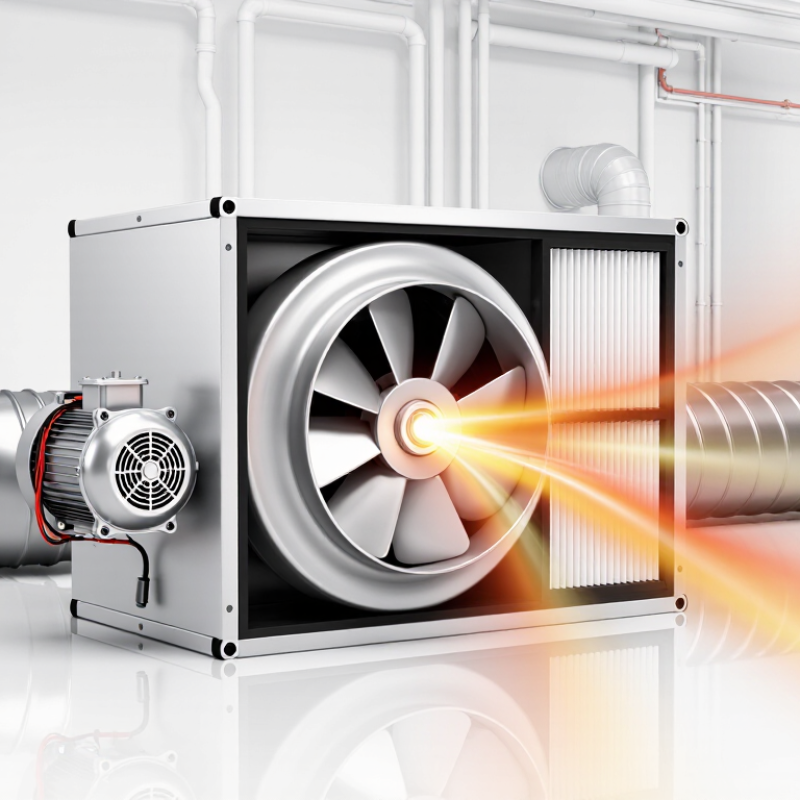
HVAC educator David Richardson has put it plainly: “Airflow is the lifeblood of any HVAC system.” His observation explains why the fan deserves attention, not just the heating element. Inside a typical unit, an electric motor turns fan blades or a blower wheel. The rotating wheel creates pressure, pulls air across a heat exchanger, and pushes it toward the outlet. Filters, duct size, motor speed, and blocked vents all influence this process.

The details matter. A dirty filter can make the motor work harder. A loose belt may create a sharp, irregular sound. Poor duct design can waste heat before it reaches the room. It is not always the fan’s fault. That is worth remembering.

This guide will examine what a Heat Blower Fan is, how its main components interact, and where common problems begin. It will also compare airflow patterns, motor types, safety controls, and practical maintenance needs. A small measurement can reveal a large problem. Checking temperature differences, listening for vibration, and inspecting airflow can provide useful clues. Still, visual inspection has limits. Electrical testing and repairs should be handled by a qualified professional.
What Is a Heat Blower Fan and How Does It Work?

Heat Blower Fan Definition and Its Role in Forced-Air Heating

A heat blower fan is the air-moving part of a forced-air heating system. It does not create heat. Instead, an electric motor turns a fan wheel and pushes air across a heat exchanger. The warmed air then travels through supply ducts into rooms, while return ducts bring cooler air back. A thermostat usually starts the blower after the heat exchanger reaches a safe temperature. This delay prevents a cold draft.

The blower’s role affects comfort, efficiency, and equipment life. The U.S. Energy Information Administration’s Residential Energy Consumption Survey reports that space heating accounts for about 42% of household energy use. Air movement therefore matters, even when the heating source works correctly. The U.S. Department of Energy also estimates that poorly insulated or sealed ducts can lose 20% to 30% of their delivered energy. A dusty filter, blocked return grille, or loose duct joint can reduce airflow further. Small faults become expensive.

In field inspections, technicians often measure temperature rise and static pressure across the system. These readings reveal problems that a warm room may hide. Excessive pressure can strain the motor and increase noise. Too little airflow may leave rooms unevenly heated. Real systems rarely perform perfectly. I have found that a clean filter helps, but it cannot repair undersized ducts or poor sealing. Fan speed must match the furnace, duct design, and building load. Guessing can create a different problem.
Core Components: Heating Elements, Blower Motor, Thermostat, and Housing

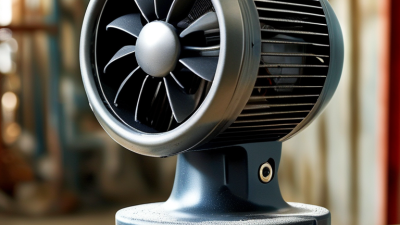
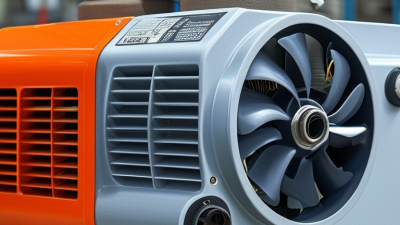
A heat blower fan is an appliance that moves warmed air through a room or enclosed space. Its heating elements create heat when electrical current passes through resistant metal parts. These elements may glow faintly, although visible light is not a reliable sign of performance. Some models heat quickly, while others need more time in cold conditions.

The blower motor drives the fan blades behind the heating chamber. As the blades rotate, they pull in cooler air and push it across the heated elements. The housing guides this airflow toward an outlet and helps protect users from direct contact with hot components. A well-designed housing also reduces rattling, but minor vibration can still appear after extended use.

The thermostat monitors air temperature near the outlet or heating area. When the temperature reaches its setting, it reduces or stops heating. When the air cools, heating resumes. This cycle helps limit overheating, though it is not perfect. Dust on the intake can restrict airflow, making the housing feel unusually hot. In practical use, cleaning the grille and keeping clear space around the fan matter greatly. I have found that airflow often weakens before the heater itself fails. That detail is easy to miss. Ceramic or metal parts can also age differently, so identical-looking units may not perform equally after years of service. A damaged cord, burning smell, or repeated shutdown requires immediate inspection by a qualified technician.

Heat Transfer Process: How 1,500 W Units Produce About 5,118 BTU/h

A heat blower fan combines an electric heating element with a powered fan. The element warms when electricity passes through its resistance wire. The fan then pushes room air across the hot surface and into the space. Warm air may feel immediate, especially near the outlet.

A 1,500 W unit uses 1,500 joules of electricity each second. Using the standard conversion, one watt equals about 3.412 BTU per hour. Therefore, 1,500 W produces approximately 5,118 BTU/h of heat. That number describes energy conversion, not necessarily the temperature you will feel across an entire room. It can sound more powerful than it feels.

The transfer process is mainly forced convection. Cool air enters through the intake, contacts the heated element, and leaves with greater thermal energy. Some heat also moves through the housing and radiates outward. In practical indoor testing, nearly all electrical input eventually becomes heat, although airflow, insulation, and room size change the result. My first assumption was that higher fan speed always meant stronger heating. It does not. Faster airflow can spread warmth better, but it may reduce outlet temperature. Poor placement can waste the benefit. A clear intake and unobstructed outlet matter more than many users expect. Temperature readings also vary with distance, humidity, and thermometer position. That makes a 5,118 BTU/h rating useful, but not perfectly predictive.

Airflow Engineering: Fan Performance Measured in CFM and Air Changes

What Is a Heat Blower Fan and How Does It Work?

A heat blower fan combines a heating element with a motor-driven impeller. The element warms incoming air, while the fan pushes it through a grille or duct. Its practical performance depends less on noise or motor size than on airflow under pressure. The rating should show cubic feet per minute, or CFM, at a stated static pressure. AMCA Standard 210 describes laboratory methods for measuring fan airflow and pressure. A free-air rating can look impressive. It may fall sharply after filters, bends, or dampers are installed.

Air changes per hour, or ACH, shows how often a room’s air volume is replaced. The calculation is simple: ACH = CFM × 60 ÷ room volume. A 1,000-square-foot room with a 10-foot ceiling contains 10,000 cubic feet. A 110 CFM blower therefore provides about 0.66 ACH. ASHRAE Standard 62.1-2022 lists 5 CFM per person plus 0.06 CFM per square foot for many office spaces. For ten occupants, that example matches the 110 CFM requirement.

Real installations remain imperfect. A dusty filter can reduce airflow. A narrow outlet can increase pressure and noise. Temperature also changes perceived comfort, even when ACH stays constant. Technicians should measure delivered airflow, room volume, temperature, and static pressure together. The fan’s label is only a starting point.

What Is a Heat Blower Fan and How Does It Work? - Airflow Engineering: Fan Performance Measured in CFM and Air Changes

Engineering Dimension Unit Meaning or Formula Reference Data Practical Interpretation
Airflow rate CFM Cubic feet of air moved per minute 100 CFM = approximately 170 m³/h A higher CFM generally distributes heat faster, provided the fan can maintain the airflow against system resistance.
Air changes per hour ACH ACH = (CFM × 60) ÷ room volume in ft³ 250 CFM in an 8,000 ft³ room = 1.875 ACH ACH indicates how many room volumes the fan could move in one hour under the stated airflow conditions.
Sensible heating rate BTU/h Approximate formula: BTU/h = 1.08 × CFM × temperature rise in °F 500 CFM with a 30°F air-temperature rise = 16,200 BTU/h This estimates sensible heat carried by air at standard conditions; actual performance varies with air density and heat losses.
Motor and impeller function — The motor rotates an impeller or blower wheel to create a pressure difference and move air. Centrifugal blowers are commonly suited to duct or filter resistance. The fan does not generate heat by itself unless a separate heating element or heat source is installed.
Static pressure in. w.g. or Pa Resistance the blower must overcome from ducts, filters, grilles, and bends 1 in. w.g. ≈ 249 Pa Actual airflow should be read from the fan curve at the required static pressure, not from free-air CFM alone.
Illustrative airflow level CFM Nominal airflow used for comparison 100 CFM In an 8,000 ft³ room, this equals 0.75 ACH.
Illustrative airflow level CFM Nominal airflow used for comparison 250 CFM In an 8,000 ft³ room, this equals 1.875 ACH.
Illustrative airflow level CFM Nominal airflow used for comparison 500 CFM In an 8,000 ft³ room, this equals 3.75 ACH.
Room-volume calculation ft³ Room volume = length × width × ceiling height 20 ft × 20 ft × 20 ft = 8,000 ft³ The same fan produces different ACH values in rooms of different sizes.
Heat-transfer limitation — Airflow alone cannot determine room-heating performance. Results also depend on heater input, insulation, air leakage, inlet temperature, and outlet temperature. Select a blower using both the required CFM and the pressure or duct resistance at that airflow.

Reference note: The airflow conversions and ACH examples use standard engineering relationships. The sensible-heat estimate assumes standard air and is intended for comparison rather than final equipment sizing.

Safety and Efficiency: Thermal Cutoffs, Power Draw, Noise, and Controls

What Is a Heat Blower Fan and How Does It Work?

A heat blower fan combines an electric heating element with a motor-driven fan. The element warms incoming air, while the fan pushes it through the outlet. In routine use, airflow feels warm within seconds. However, the heat depends on wattage, room size, and insulation. A 1,500-watt heater can draw about 12.5 amps on a 120-volt circuit. That demand may overload a shared circuit. Check the appliance label and wall outlet rating.

Safety and Efficiency: Thermal Cutoffs, Power Draw, Noise, and Controls

A thermal cutoff disconnects power when internal temperatures rise dangerously. A separate thermostat cycles the element to maintain the selected setting. These protections help, but they are not permission to cover the intake or outlet. Dust also restricts airflow and can increase heat buildup. One detail deserves reflection: a cutoff may prevent severe overheating, yet repeated activation suggests a fault. Stop using the unit until it is inspected. Power-saving modes reduce cycling, but lower heat output can make warming slower. Fan noise commonly comes from the motor, bearings, or turbulent airflow. It is not silent. A soft hum is normal; grinding or sudden rattling is not.

Tips: Keep clear space around both vents, place the heater on a stable surface, and avoid extension cords unless approved for the load. Use a plug-in energy meter to check real consumption. Lowering the thermostat slightly often saves more energy than repeatedly switching the unit off and on. Controls should feel predictable, though inexpensive switches can age unevenly. Test them carefully.