Top Exhaust Fan Motor Buying Guide for Global Buyers?
Choosing the right exhaust fan motor is crucial for optimizing ventilation systems. According to the Global Ventilation Market Report, the demand for efficient exhaust fan motors is projected to grow by 7% annually. This growth is driven by the increasing need for energy-efficient and environmentally friendly solutions in residential and industrial applications.
Industry expert Dr. Emily Carter stated, “Selecting the correct exhaust fan motor significantly impacts performance and energy consumption.” Her insights underline the importance of understanding motor specifications and their applications. Various factors, including efficiency ratings, noise levels, and durability, must be considered when making a choice.
Many buyers overlook essential details during their selection process. This leads to inefficient performance and higher energy costs. Carefully analyzing your needs and seeking expert advice can mitigate these risks. The right exhaust fan motor can improve air quality and reduce operational expenses in the long run.
Understanding the Different Types of Exhaust Fan Motors Available
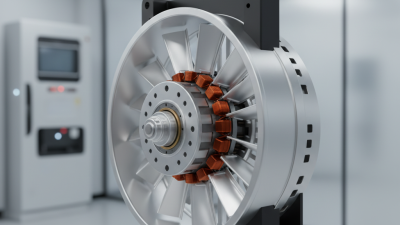
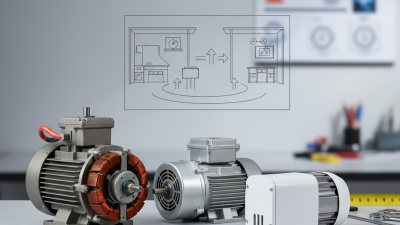
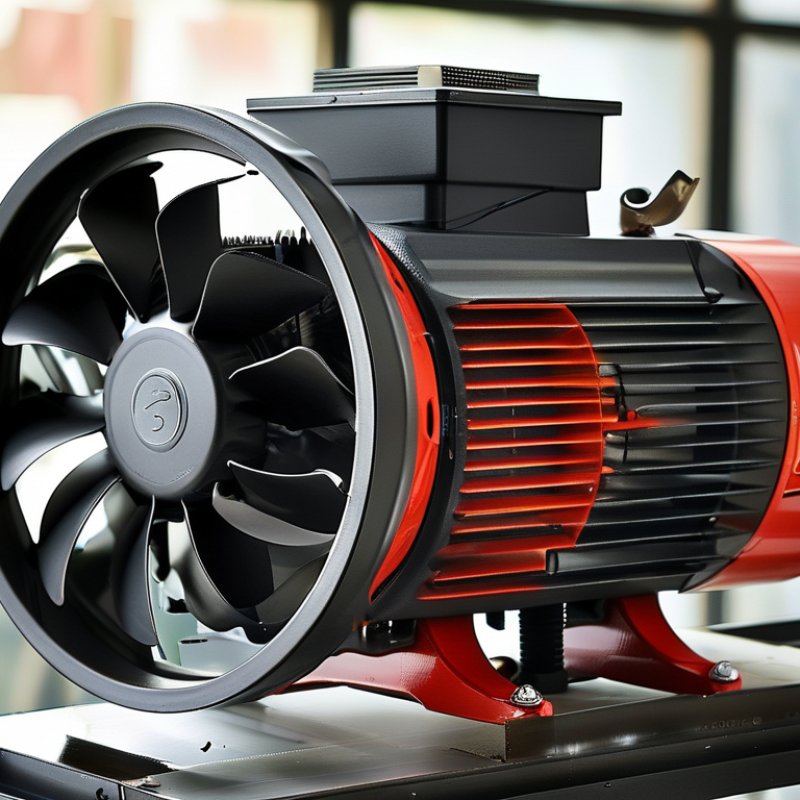
Understanding the variety of exhaust fan motors is essential for making informed choices. Exhaust fans can be powered by different motor types, including shaded pole, permanent split capacitor (PSC), and brushless DC motors. Each type has its pros and cons depending on application, efficiency, and cost.
Shaded pole motors are commonly used for small fans. They are simple and cost-effective, but their efficiency is relatively low. On the other hand, PSC motors are better in terms of energy efficiency and provide a smoother operation. They are suitable for larger applications where low noise is crucial. Brushless DC motors, while more expensive, offer exceptional efficiency and longevity. They are perfect for modern, energy-conscious users.
When choosing an exhaust fan motor, consider how often you will use it. Frequent use may justify investing in a more durable option. Always check the energy ratings, as they can influence long-term costs. Additionally, ensure your chosen motor matches the size and requirements of your exhaust fan. The right combination will improve performance and minimize hassle. Reading user reviews can also guide you toward reliable options.
Key Factors to Consider When Selecting Exhaust Fan Motors
When selecting an exhaust fan motor, several key factors warrant consideration. Understanding the application context is vital. For instance, motors vary in power based on the room size and ventilation needs. A commercial kitchen may require a high-capacity motor, while a small bathroom might be adequately served by a lower-power model.
Noise levels can greatly affect user comfort. Some motors operate quietly, while others produce considerable noise. Look for features that offer noise reduction. This could be a significant differentiator when using the fan in living spaces or offices. Additionally, energy efficiency is crucial. Opt for motors that consume less power but still provide reliable airflow.
Pay attention to the mounting options available. Some motors are designed for specific installations, impacting overall effectiveness. Compatibility with existing fixtures can save time and resources. Also, consider the ease of maintenance. A motor that is challenging to access may lead to increased downtime for repairs. Regular maintenance contributes to the longevity of the unit.
Before making a purchase, evaluate warranty terms. A solid warranty indicates manufacturer confidence in product durability. It can also reflect long-term value. Always check for expert reviews or user testimonials for additional insights. Finding the right motor is not just about immediate needs; it’s about long-term performance and satisfaction.
Benefits of High-Quality Exhaust Fan Motors for Performance
High-quality exhaust fan motors significantly enhance performance in both residential and commercial settings. They provide optimal airflow, which helps maintain air quality. Efficient motors consume less energy while delivering the desired airflow rate. This ensures a healthier environment free from excess humidity and pollutants.
Choosing the right exhaust fan motor is crucial. Look for motors made from durable materials to increase lifespan. Also, consider the motor's RPM rating. Higher RPMs can lead to better airflow but may increase noise levels. Finding a balance between efficiency and noise is important for comfort.
Regular maintenance enhances performance over time. Keep the fan blades clean and check for wear and tear. A well-maintained motor operates more smoothly, reducing energy costs. Remember that investing in a quality motor can lead to long-term savings. It’s an area where customers should avoid cutting costs.
Top Brands and Models of Exhaust Fan Motors in the Market
When selecting an exhaust fan motor, it's essential to consider various brands and models available in the market. Different brands offer unique features, and understanding these can greatly aid buyers. Motors designed for industrial use often provide higher durability. They can withstand harsher environments compared to residential models. However, residential options might be quieter, making them more suitable for home use.
Popular models vary in performance and efficiency. Some motors are energy-efficient but may lack power. Buyers should balance efficiency with the motor’s capacity. Look for options that list their air-moving capabilities clearly. Especially in larger spaces, a powerful motor can make a significant difference. It’s important to check user reviews to gauge long-term reliability.
As a buyer, you may find some models more user-friendly than others. Some setups require complex installation, which can be a dealbreaker. Reflecting on personal needs will simplify the decision-making process. Always weigh the pros and cons of each option, even if the specifications seem appealing. This approach ensures you choose a motor that truly meets your requirements.
Maintenance Tips for Extending the Life of Exhaust Fan Motors
Maintaining your exhaust fan motor is essential for longevity and efficiency. Regular cleaning is crucial. Dust and grime can accumulate, impacting performance. Use a soft cloth or brush to wipe down the fan blades and motor housing monthly. In addition, check the air intake and exhaust vents periodically. Ensuring airflow is unobstructed can prevent overheating.
Another important aspect is lubrication. Many motors have bearings that require lubrication. Check your user manual for specific guidelines on the type of lubricant to use. A lack of lubrication can lead to increased friction and, eventually, motor failure. Monitor any strange noises during operation as these may indicate an underlying issue.
Lastly, consider the environment where the fan operates. Excessive humidity or exposure to chemicals can affect the motor's lifespan. If possible, place your exhaust fan in a more controlled environment. Lack of attention to these details can lead to premature wear. Each step in maintenance not only extends motor life but also ensures it runs at optimal efficiency. Stay proactive to avoid costly replacements or repairs.
Top Exhaust Fan Motor Buying Guide for Global Buyers - Maintenance Tips for Extending the Life of Exhaust Fan Motors
| Feature |
Description |
Maintenance Tips |
| Motor Type |
AC or DC motor options provide flexibility based on application needs. |
Choose the appropriate motor type for your specific usage to ensure efficiency. |
| Power Rating |
Common power ratings range from 50W to 600W. |
Regularly check the power supply and ensure it matches the motor requirements. |
| RPM |
Rotations per minute can vary between fan models, affecting airflow. |
Monitor for unusual noise levels that may indicate an RPM issue. |
| Efficiency Rating |
Look for high-efficiency ratings to reduce power consumption. |
Clean fan blades and housing regularly to maintain efficiency. |
| Noise Level |
Measured in decibels (dB), lower levels are preferable. |
Lubricate motor bearings to reduce friction and noise. |



 Email
Email Whatsapp
 WeChat