Why Access Valve is Essential for Your Pipeline System?
Access valves play a crucial role in pipeline systems across various industries. In a report by the American Society of Mechanical Engineers (ASME), it was noted that improper access to pipelines can lead to costly interruptions and safety hazards. Access valves provide essential points for maintenance and inspections, ensuring the integrity of the entire pipeline.
Efficiency is key in any pipeline operation. The Global Pipeline Market Report highlights that systems with regular access points experience 30% fewer operational failures. Access valves facilitate quick maintenance, minimizing downtime. In contrast, many systems without these valves face extended outages during repairs, increasing expenses significantly.
While access valves are vital, not all systems are equipped properly. Some businesses underestimate their importance, leading to increased risks. It’s essential to evaluate existing systems and consider implementing access valves. Regular assessments ensure safety and efficiency, reinforcing the value of these often-overlooked components.
Importance of Access Valves in Pipeline Systems
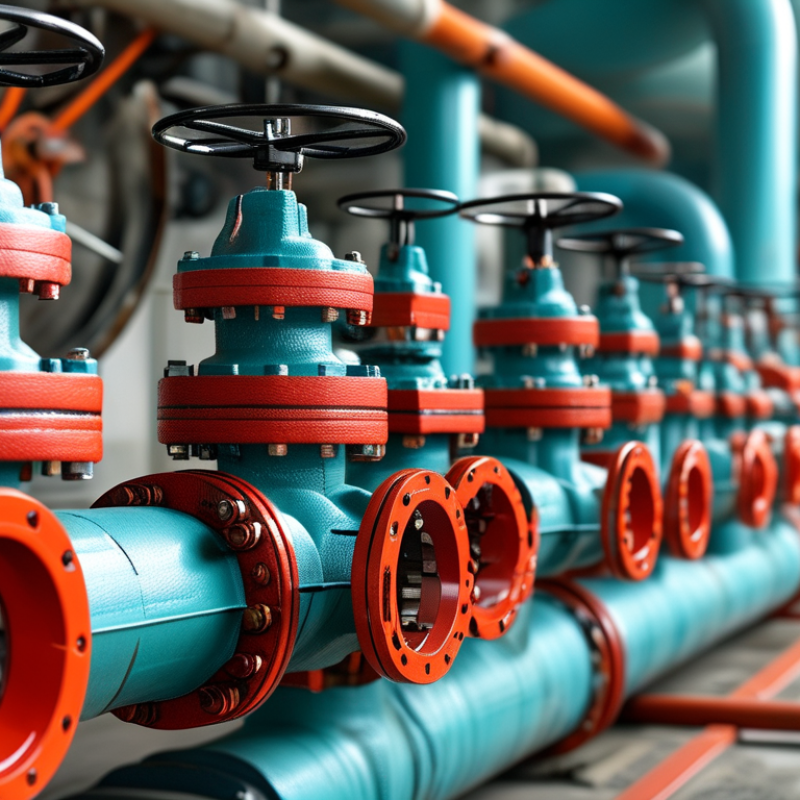
Access valves play a crucial role in pipeline systems. They provide vital access points for inspection, maintenance, and control. Without them, managing a pipeline becomes challenging. Regular checks are essential for preventing leaks or failures. Access valves ensure that technicians can quickly gauge the system's condition.
In emergencies, access valves become even more important. They allow for rapid intervention, minimizing damage and downtime. Technicians can isolate sections efficiently. This capability can save time and reduce costs. However, not all pipeline systems are equipped with the right access points. This oversight can lead to delays in critical situations.
The installation of access valves requires careful planning. Engineers must assess where they are most effective. Improper placement may result in unnecessary maintenance issues later. A well-designed system not only ensures smoother operations but also enhances safety. Investing in access valves pays off in the long run. It creates a balance between efficiency and reliability in pipeline management.
Types of Access Valves Commonly Used in Pipelines
Access valves play a critical role in pipeline systems. They provide essential access points that facilitate maintenance, inspection, and repairs without significant system downtime. Research indicates that proper access points can reduce operational costs by up to 30%. Understanding the types of access valves is vital for effective pipeline management.
Ball valves are among the most common access valves used in pipelines. They offer minimal resistance to flow and can achieve a tight seal, making them ideal for high-pressure applications. According to industry reports, ball valves account for approximately 40% of the valve market due to their durability and ease of use. Gate valves are also prevalent. They ensure a straight-line flow with low pressure loss, often used in water and wastewater systems.
Another noteworthy type is check valves. These valves prevent backflow, protecting the pipeline from potential damage. In contrast to gate valves, check valves can be less effective at low flow rates, sometimes requiring additional maintenance. Data suggests that neglecting these intricacies can lead to costly failures, underscoring the necessity of careful selection and regular assessment of access valves in pipeline systems. Proper understanding can enhance reliability and operational efficiency.
Benefits of Installing Access Valves in Pipeline Maintenance
Access valves play a critical role in pipeline systems. They allow for easy access during maintenance and inspections. Without these valves, the process can become time-consuming and costly. Regular access leads to timely repairs and minimizes potential failures.
One significant benefit of access valves is the reduction of downtime. Quick maintenance is essential for any operation. When operators can swiftly reach a section of the pipeline, they can address issues before they escalate. This efficiency can save both time and money in the long run.
Tip: Choose strategic locations for access valves. Proper placement enhances accessibility and minimizes disruptions.
Installing access valves also improves the safety of the maintenance crew. By providing clear entry points, workers can operate more efficiently. It reduces the risk of accidents when accessing pipelines. Ensuring every team member knows the valve locations is crucial.
Tip: Regularly update training sessions on access valve usage. Keeping the team informed boosts confidence and competence.
The integration of access valves may seem straightforward, yet their importance cannot be overstated. Reflect on your pipeline system's design to enhance both maintenance and safety.
Best Practices for Access Valve Installation and Management
Access valves play a crucial role in pipeline systems, allowing for easy maintenance and monitoring. Proper installation is key. Ensure that the valve is positioned in an accessible location. This reduces downtime when repairs or inspections are necessary. Consider the surrounding environment when selecting installation sites. Harsh conditions can affect performance.
Regular management of access valves is essential. Inspect them periodically for leaks or blockages. Neglecting these checks can lead to significant issues down the line. The sealing mechanism should be tested regularly to ensure it functions correctly. Recordkeeping of these inspections can help in tracking performance over time.
Always follow safety protocols during maintenance. Communicating with the maintenance team is vital. Ensure everyone understands their roles and responsibilities. Mistakes can happen, and being prepared is better than facing a crisis. Continuous training for personnel is valuable. Experience in handling access valves improves overall pipeline integrity.
Challenges and Solutions for Access Valve Implementation in Pipelines
Access valves are a crucial component in pipeline systems. They facilitate maintenance and inspection, ensuring the integrity of the pipeline. Yet, implementing these valves comes with challenges. Proper placement is vital. If not positioned correctly, they can lead to leaks or blockages. This makes planning essential.
One common issue is resistance from stakeholders. Some may not see the value of access valves. Educating them about long-term benefits is necessary. Maintenance costs can rise without regular inspections. Training personnel is also key. Many workers may lack experience with access valves. Providing hands-on training can improve confidence and competence.
Another challenge is the compatibility of access valves with existing systems. Different designs and materials can cause complications. A thorough assessment of the pipeline system is needed. Customized solutions may be required. This can increase initial costs but pays off over time through increased efficiency. Balancing costs and benefits is a continuous process that requires careful consideration.
Why Access Valve is Essential for Your Pipeline System?
| Challenge |
Impact |
Solution |
| High maintenance costs |
Increased downtime and operational costs |
Implement periodic maintenance schedules |
| Limited access for inspections |
Risk of undetected leaks or failures |
Install access valves at critical points |
| Material compatibility issues |
Corrosion and structural failures |
Use of appropriate materials and protective coatings |
| Regulatory compliance |
Fines and legal penalties |
Regular audits and adherence to standards |
| Operational interruptions |
Reduced productivity |
Invest in reliable access valves with low failure rates |



 Email
Email Whatsapp
 WeChat