How to Choose the Right Inducer Motor Furnace for Your Needs?
Choosing the right Inducer Motor Furnace is crucial for optimal home heating and efficiency. Mike Thompson, a leading expert in HVAC systems, once stated, "The right inducer motor can transform your furnace's performance." Understanding your needs can significantly impact this choice.
Consider the type of heating required. Different furnaces serve different needs. While smaller homes may need a basic model, larger spaces often call for more robust options. Energy efficiency should also factor into your decision.
Take time to assess noise levels as well. Some motors operate quietly, while others may be disruptive. Balancing performance and comfort is key. Don't overlook the importance of reliable brands and customer support. A little research can lead to a rewarding investment.
Understanding Inducer Motor Furnaces and Their Functions
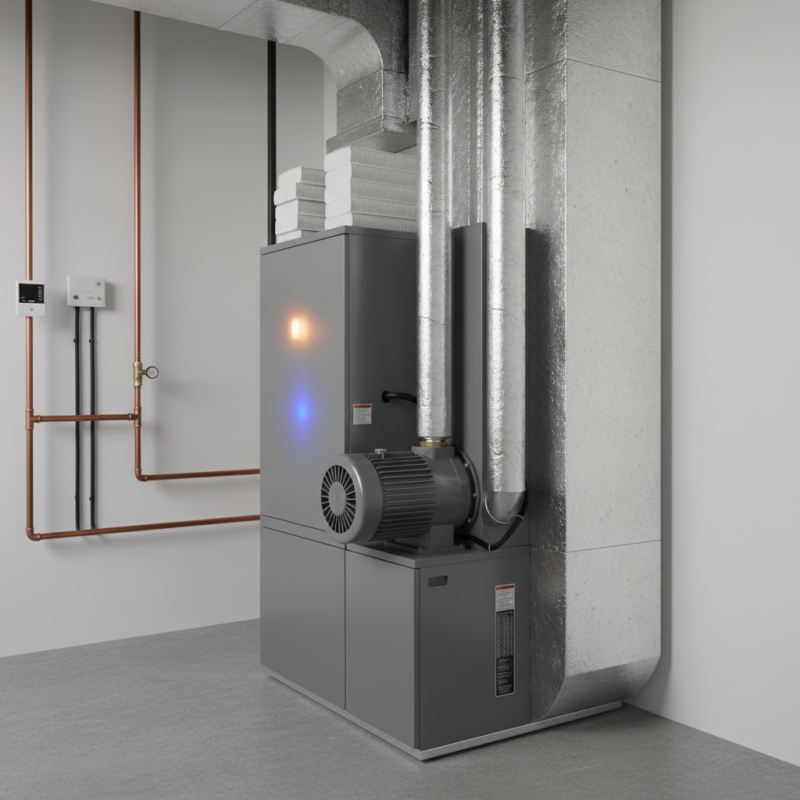
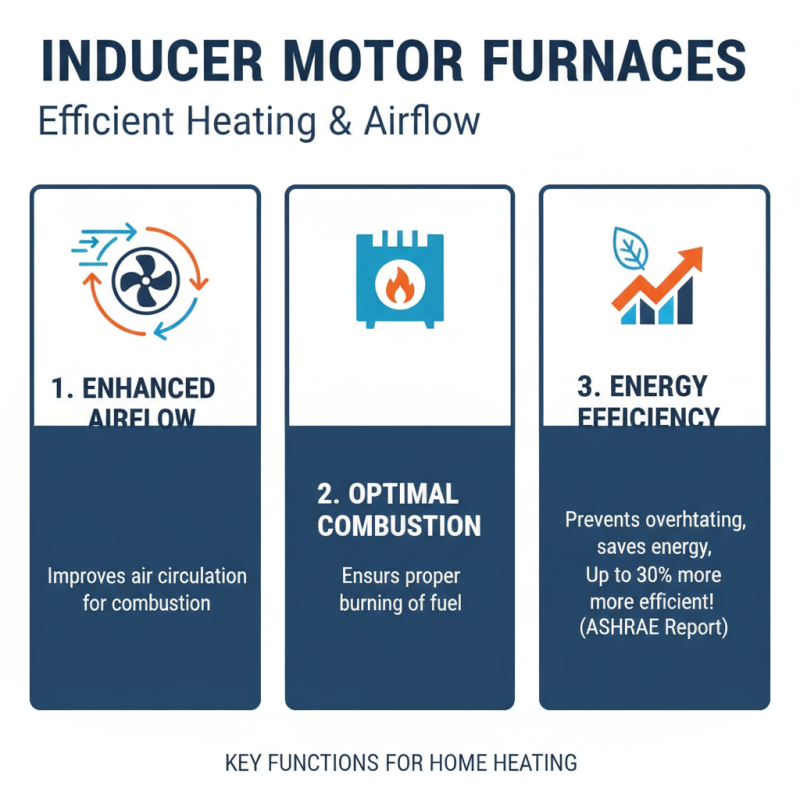
Inducer motor furnaces play a vital role in the efficient operation of heating systems. These devices enhance airflow, ensuring proper combustion. By improving air circulation, inducer motors help prevent overheating and ensure optimal energy usage. According to a report by the American Society of Heating, Refrigerating and Air-Conditioning Engineers, proper airflow can improve system efficiency by up to 30%.
Understanding the functions of an inducer motor is crucial for choosing the right furnace. Inducer motors aid in venting exhaust gases safely. They help maintain the right pressure within the system. A well-functioning motor can significantly reduce risks of backdrafts. In fact, data shows that systems with efficient motors face 40% fewer failures.
However, not all inducer motors are created equal. Some may not provide sufficient airflow, leading to inefficiencies. When selecting a furnace, it’s important to consider motor size and efficiency ratings. Improper choices can lead to costly repairs or energy waste. Inadequate airflow could also shorten the furnace's lifespan. Understanding these factors is key.
Key Factors to Consider When Choosing an Inducer Motor Furnace
When choosing an inducer motor furnace, several key factors come into play. First, consider the size of the furnace. It must fit your space and meet your heating needs. Measure your area carefully. Too large can waste energy. Too small means inadequate heating.
Next, think about the type of inducer motor. Some motors are quieter than others. Noise levels can affect your comfort. Aim for a balance between performance and sound. It's also important to check the efficiency ratings. Higher efficiency means lower energy bills. But sometimes, more efficient models can come with a higher upfront cost.
Don't forget about maintenance. Some furnaces require more care than others. Look for features that ease maintenance, like removable access panels. Reflect on your own ability and willingness to perform upkeep. The right choice involves reflection on your budget, preferences, and lifestyle needs. Every detail counts in making a decision that will impact your comfort long-term.
Types of Inducer Motors: Pros and Cons
Inducer motors play a crucial role in the efficiency of furnace systems. They are classified into two main types: single-stage and multi-stage. Each has its pros and cons. Single-stage inducer motors are straightforward and easier to install. They tend to be less expensive. However, they may not provide the required air pressure in larger homes. This could lead to reduced heating efficiency.
On the other hand, multi-stage inducer motors offer better control. They can adjust based on the heating demand. A report by the American Society of Heating, Refrigerating and Air-Conditioning Engineers (ASHRAE) indicates that multi-stage units can enhance efficiency by up to 30%. Yet, their installation costs can be higher. They require more complex systems, which may not suit all homeowners.
Selecting the right inducer motor depends on specific needs. Consider factors like home size and budget. An improper choice can impact performance. This choice is vital for long-term comfort and energy savings. Balancing cost with efficiency is not always easy.
Sizing Your Inducer Motor Furnace for Optimal Performance
Choosing the right inducer motor furnace requires careful sizing for optimal performance. Factors like your home’s square footage and insulation level matter significantly. If your home is poorly insulated, a larger unit may be necessary for consistent heating. Make sure to consider these variables before making your decision.
Tip: Measure your space accurately. A common error is underestimating the needs of larger areas. If you have high ceilings or drafty windows, remember these aspects can impact heating efficiency. Addressing these before installation will save you future headaches.
Another thing to think about is the airflow. The furnace should match your system’s airflow requirements. Over or under-sizing can lead to uneven heating and increased energy bills. It is crucial to find balance here.
Tip: Consult with an HVAC professional. Their insights will be invaluable. They can help you rethink your choices if things don’t add up. A small adjustment in size can lead to significant savings over time. It's worth the effort.
How to Choose the Right Inducer Motor Furnace for Your Needs?
| Furnace Size (BTU) |
Inducer Motor Power (HP) |
Efficiency Rating (%) |
Suitable Applications |
| 30,000 BTU |
1/3 HP |
80% |
Residential Heating |
| 50,000 BTU |
1/2 HP |
85% |
Medium Commercial Spaces |
| 75,000 BTU |
3/4 HP |
90% |
Larger Commercial Applications |
| 100,000 BTU |
1 HP |
92% |
Industrial Heating |
Maintenance Tips for Lasting Efficiency of Inducer Motor Furnaces
Regular maintenance is crucial for maximizing the efficiency of inducer motor furnaces. A study indicates that well-maintained systems can operate up to 20% more effectively. This means lower energy bills and better performance. Inspect the motor, belts, and bearings closely. Dust buildup can reduce efficiency by as much as 15%. A simple cleaning routine can help mitigate this issue.
Proper lubrication is essential. It prevents wear and tear on moving parts. Reports suggest that 30% of motor failures are due to inadequate lubrication. Remember to check oil levels monthly. Also, ensure the motor is operating at the recommended RPM. Improper speeds can lead to overheating and damage.
Don't ignore safety checks. Faulty wiring can pose serious risks. About 40% of furnace breakdowns are attributed to electrical issues. Regularly inspect your electrical connections for signs of wear. Consider scheduling a professional check-up annually. This proactive approach can save you from unexpected failures and costly repairs. Little oversights can lead to significant consequences. Staying vigilant is key to efficiency.



 Email
Email Whatsapp
 WeChat