How to Choose the Best Heat Blower Fan for Your Home Heating Needs
When it comes to maintaining a comfortable home environment during the colder months, selecting the right heating solution is crucial. A well-chosen Heat Blower Fan can significantly improve warmth and efficiency in your living space. According to HVAC expert John Matthews, "Investing in a high-quality Heat Blower Fan can transform your home heating experience, providing both comfort and energy savings."
Understanding the various features and types of Heat Blower Fans available on the market can be overwhelming for homeowners. With options ranging from portable units to fixed installations, it's important to evaluate your specific heating needs and preferences. Factors such as room size, insulation quality, and noise level should all play a significant role in your decision-making process.
In this guide, we will delve into the key considerations for choosing the best Heat Blower Fan for your home. By examining different models, features, and efficiency ratings, you will be equipped to make an informed choice that not only enhances your comfort but also contributes to energy conservation. Let's explore how to navigate through the many choices to find the perfect Heat Blower Fan for your heating needs.
Factors to Consider When Choosing a Heat Blower Fan
When selecting the best heat blower fan for your home heating needs, several key factors should be considered to ensure optimal performance and efficiency. One of the primary considerations is the fan's power output, typically measured in watts. According to a report by the U.S. Department of Energy, a heat blower fan with an output of around 1500 watts is generally suitable for heating spaces up to 150 square feet effectively. This means that understanding the size of the area you intend to heat is critical; larger spaces may require multiple fans or those with higher wattage to maintain comfortable temperatures.
Another important factor is the fan's airflow rate, often expressed in cubic feet per minute (CFM). A higher CFM indicates a fan's ability to distribute heat more efficiently across a given space. Industry studies suggest that for effective heating, a CFM of 200-300 is typically recommended for small to medium-sized rooms. Additionally, consider the fan's features, such as adjustable speed settings and oscillation options, which can enhance air circulation and comfort levels.
Energy efficiency ratings are also vital; selecting a fan with a good energy rating can lead to lower electricity bills and a reduced environmental impact, as noted in recent energy conservation reports emphasizing the importance of sustainable home heating solutions.
Types of Heat Blower Fans and Their Applications
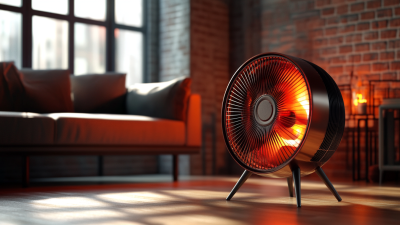
When choosing a heat blower fan for your home, it's essential to understand the different types available and their specific applications. One common type is the portable heat blower fan, ideal for quick heating of small spaces. These fans typically feature a compact design, allowing for easy maneuverability. They can be used in garages, workshops, or even to provide extra warmth in rooms that take longer to heat up. Their versatility makes them a popular choice for many homeowners seeking immediate warmth without the need for permanent installation.
Another type is the wall-mounted heat blower fan, which is often used in larger areas or rooms that require consistent heating. These units are installed on walls and can efficiently distribute warm air throughout the space, making them suitable for living rooms or office environments. They tend to be more powerful than their portable counterparts and can cover a broader area, providing a steady and reliable source of heat. Additionally, some wall-mounted models come with programmable features that allow users to customize heating schedules, enhancing comfort while optimizing energy use. By understanding these types and their applications, homeowners can make informed decisions that best suit their heating needs.
Heat Blower Fan Types and Their Applications
Key Features to Look for in a Heat Blower Fan
When selecting the best heat blower fan for your home heating needs, it is essential to consider several key features that enhance performance and efficiency. First, look for the fan's heating capacity, measured in watts or BTUs. A higher capacity means faster heating for larger spaces, making it crucial to choose a fan that matches the size of the room you intend to warm. Additionally, check the fan's airflow rate, typically expressed in cubic feet per minute (CFM), as this indicates how effectively the fan can distribute warm air throughout the area.
Another important feature is the fan's thermostat options. Having an adjustable thermostat allows for more precise temperature control, making it possible to maintain a comfortable environment while conserving energy. Some models also offer multiple speed settings, providing flexibility to adjust the airflow based on your immediate needs. Furthermore, consider the safety features such as overheat protection and tip-over switches, which are vital for ensuring safe operation in households with children or pets. Lastly, pay attention to the noise level of the fan; a quieter operation can significantly enhance comfort, especially during those cold winter nights.
Comparing Energy Efficiency and Performance of Heat Blower Fans
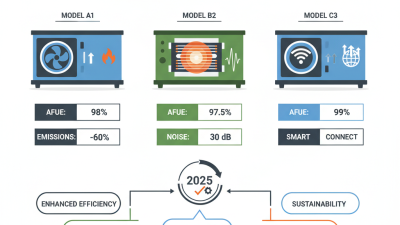
When selecting a heat blower fan for your home, understanding energy efficiency and performance is crucial. Energy efficiency refers to how well a heater converts energy into heat, which directly impacts your electricity bill. Look for units with high energy ratings, as they typically use less power to produce the same amount of heat as their less efficient counterparts. Additionally, features such as programmable thermostats and timers can enhance efficiency by ensuring the unit operates only when necessary.
Performance is another key factor to consider. Heat blower fans vary in terms of heating capacity and air circulation. A unit with a higher heating capacity can warm up larger spaces more effectively, while robust fan speeds ensure that heat is distributed evenly throughout the room. It’s important to assess the size of your space and choose a fan that meets those specifications to ensure optimal performance. Moreover, consider noise levels; quieter models can provide comfort without being disruptive, especially in shared living spaces. Balancing energy efficiency with adequate performance will help you choose the best heat blower fan for your heating needs.
Maintenance Tips for Optimal Performance of Your Heat Blower Fan
To ensure optimal performance of your heat blower fan, regular maintenance is crucial. According to the U.S. Department of Energy, proper maintenance can improve the efficiency of heating appliances by up to 30%. This means that not only can you enjoy a comfortable home, but you can also save significantly on energy costs. One of the most effective ways to maintain your heat blower fan is to clean or replace the air filter regularly. Clogged filters can restrict airflow, causing the system to work harder and potentially leading to burnout.
Additionally, it's important to inspect and clean the blower fan and motor every few months. Dust and debris can accumulate, reducing performance and lifespan. The American Society of Heating, Refrigerating and Air-Conditioning Engineers (ASHRAE) suggests using a mild detergent and a soft brush for cleaning components to avoid damage. Furthermore, ensure that the fan blades are free from buildup to facilitate smooth operation. Regular lubrication of moving parts, as recommended by the National Fire Protection Association, can also help reduce friction and wear, ensuring that your fan operates quietly and efficiently.
By following these maintenance tips, you can maximize the longevity and effectiveness of your heat blower fan, ultimately enriching your home heating experience.



 Email
Email Whatsapp
 WeChat