China Top 10 Condenser Fan Manufacturers for Global Buyers
Choosing a reliable Condenser Fan manufacturer can affect cooling performance, energy use, maintenance costs, and equipment life. Global buyers need more than attractive prices or polished catalogs. They must examine motor efficiency, airflow stability, blade balance, noise levels, corrosion resistance, voltage compatibility, and production consistency.
HVACR engineer John Barba has often emphasized practical system thinking: “A component is only as reliable as the system around it.” That principle matters here. A condenser fan may look simple, yet a poorly matched motor can increase head pressure, shorten compressor life, and create unnecessary service calls. The best manufacturers usually provide clear technical drawings, test data, quality records, and responsive after-sales support.
This guide introduces China’s top ten Condenser Fan manufacturers for international buyers. The selection considers manufacturing experience, product range, export capability, customization support, certifications, and feedback from commercial users. It also considers details that are easy to overlook, including winding quality, bearing selection, packaging protection, and spare-parts availability.
No ranking is perfect.
Factory scale does not guarantee dependable field performance. Some smaller suppliers may offer stronger engineering support, while larger companies may provide broader capacity and steadier delivery. Buyers should still verify samples, inspection procedures, warranty terms, and compliance requirements before placing large orders. A promising quotation is only a starting point. The right partner should prove performance under realistic operating conditions, not merely present impressive photographs or general claims.
What Condenser Fans Are and Why They Matter in Cooling Systems
What Condenser Fans Are and Why They Matter in Cooling Systems
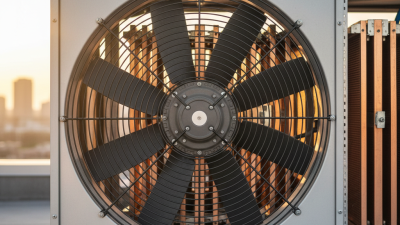
A condenser fan moves outdoor air across the condenser coil in an air conditioner or refrigeration unit. The coil releases heat absorbed from the conditioned space. Without steady airflow, refrigerant pressure can rise, cooling capacity can fall, and the compressor may work beyond its safe operating range. That creates higher energy use and faster component wear.
When evaluating China’s top condenser fan manufacturers for global buyers, technical fit matters more than catalogue appearance. Check airflow, static pressure, motor power, voltage, frequency, noise level, and mounting dimensions. A fan that looks suitable may fail when the coil becomes dusty or airflow resistance increases. I have seen projects overlook this detail. It caused unstable cooling during hot afternoons.
Reliable suppliers should provide performance curves, motor protection data, sample testing, and traceable quality records. Bearings, insulation, balancing, and weather resistance deserve close attention. Outdoor units face moisture, vibration, temperature changes, and dirt. Small design choices matter. A sealed motor can support longer service in harsh conditions, but it is not a magic fix. Engineers should still verify operating temperatures and maintenance access. For international purchasing, confirm packaging strength, documentation accuracy, applicable safety requirements, and consistent production samples before approving large orders. Performance claims need evidence.
How to Evaluate Condenser Fan Manufacturers for Global Purchasing
How to Evaluate Condenser Fan Manufacturers for Global Purchasing
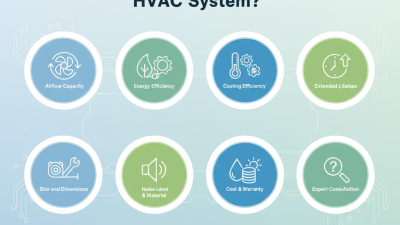
Choosing a condenser fan manufacturer requires more than comparing unit prices. Ask for airflow curves, operating temperature ranges, noise data, and motor efficiency records. These documents reveal whether the fan suits your refrigeration system or only looks competitive on paper.
Request a working sample before placing a large order. Measure airflow, vibration, power consumption, and sound at your actual voltage and frequency.
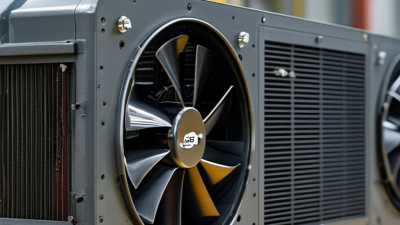
Check the guard, blades, bearings, wiring, and corrosion protection closely. Small details matter. A loose connector can create costly delays during installation.
A reliable manufacturer should provide material traceability, inspection records, clear warranty terms, and replacement-part support. Review its production line, testing equipment, quality procedures, and export experience. Independent laboratory reports can strengthen these claims, but verify the report number and tested model. Do not accept a document for a similar product.
Communication also shows manufacturing maturity. Can the supplier explain tolerance limits without vague promises? Can it respond to technical questions within one business day? I would compare at least three factories and record every answer.
A polished brochure proves little. No checklist is perfect. I once underestimated packaging quality, and damaged fan guards created more expense than the original price difference. Global buyers should examine carton strength, pallet design, labeling, and delivery conditions before approval. A low quote may hide weak testing, unstable components, or limited after-sales support.
China’s Top 10 Condenser Fan Manufacturers and Their Key Strengths
China’s top 10 condenser fan manufacturers serve different refrigeration needs. One excels in high-efficiency EC motors, while another focuses on durable AC axial fans. Several offer compact designs for display cabinets and small condensing units. Others specialize in low-noise operation for hotels, offices, and residential equipment. Their key strengths include stable airflow, sealed bearings, strong heat resistance, and flexible voltage options.
During supplier evaluations, buyers should inspect more than product photos. Leading manufacturers usually provide airflow curves, motor temperature data, vibration results, and sample test reports. Some factories support custom brackets, blade angles, wiring, and protective grilles. This flexibility helps equipment engineers shorten development time. It also reduces installation problems in different cabinet layouts. Ask for actual test conditions.
Quality consistency separates dependable suppliers from merely attractive ones.
Strong manufacturers maintain automated winding lines, balancing equipment, and aging tests for finished motors. Some use corrosion-resistant coatings for humid or coastal environments. Others provide quieter blades with carefully shaped profiles. Export experience is another practical advantage, especially when packaging must protect fragile fan assemblies during long transport.
No supplier is perfect. Catalog efficiency may not match field performance. A fan can pass a factory test yet create noise after installation. Buyers should request production samples, verify tolerances, and repeat testing under real condenser temperatures. That extra step feels slow, but it often reveals the most important differences.
Comparing Product Quality, Customization, Certifications, and Export Support
Selecting among China’s top condenser fan manufacturers requires more than comparing catalog prices. Experienced buyers inspect airflow data, motor efficiency, noise levels, and operating temperatures. Ask for test reports from current production batches, not only laboratory samples. A reliable supplier should explain blade balance, bearing life, and corrosion protection clearly. Small details matter, especially when fans operate continuously in dusty warehouses or coastal climates.
Tips: Request a sample before signing a large order. Measure airflow, vibration, sound, and power consumption independently. Check whether customization includes mounting holes, wiring length, labels, packaging, and voltage options. Confirm minimum order quantities and tooling charges in writing. Specifications can look complete while leaving critical details unclear.
Certifications support confidence, but documents require careful review. Verify certificate numbers, issuing bodies, product models, and validity dates. Export-ready manufacturers should provide commercial invoices, packing lists, technical drawings, and accurate shipping marks. They should also explain lead times, inspection procedures, spare parts, and warranty handling. In my experience, responsive communication often predicts smoother export projects. Still, no supplier is perfect. Delays can happen, and early promises may change when components become scarce. A written quality agreement, pre-shipment inspection, and realistic delivery schedule reduce avoidable disputes. The strongest partner combines consistent production with transparent limitations, rather than impressive claims alone.
How Global Buyers Can Select the Right Chinese Condenser Fan Supplier
Global buyers comparing China’s top 10 condenser fan manufacturers should begin with operating conditions, not catalog rankings. The IEA’s The Future of Cooling reports that cooling demand could more than triple by 2050. That projection makes efficiency, durability, and serviceability commercial priorities.
Ask each supplier for airflow curves, static-pressure data, motor-efficiency results, noise readings, and thermal-protection details. Check whether tests follow recognized IEC or ISO procedures. A reliable supplier should provide traceable reports, sample serial numbers, and clear test conditions. The U.S. Department of Energy also emphasizes standardized performance testing for motors and fans, making comparable data more valuable than attractive claims.
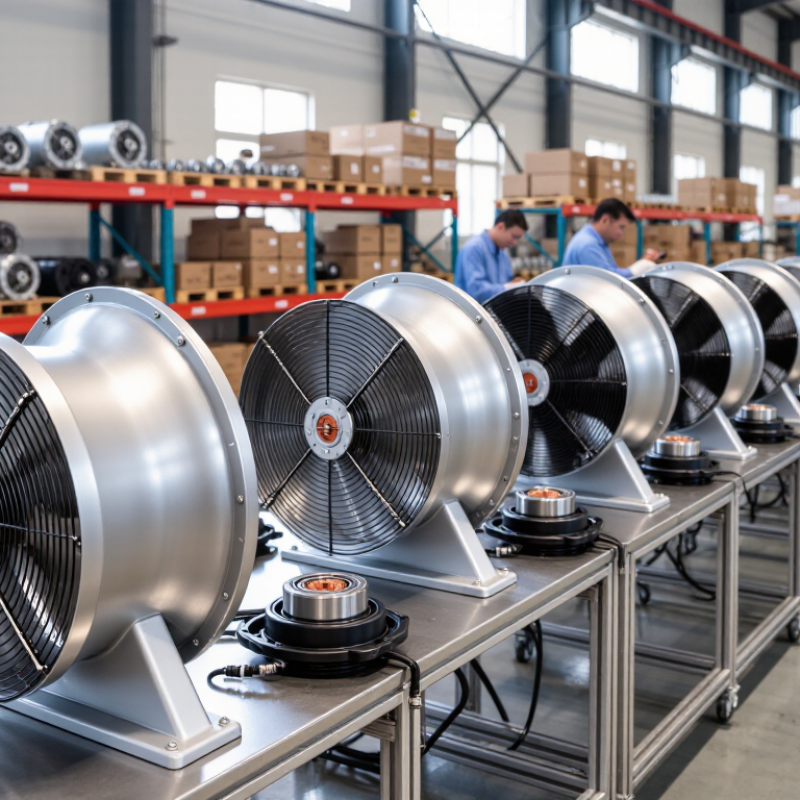
Inspect the production line when possible. Look for balanced impellers, consistent winding quality, sealed bearings, and final electrical testing. Request samples under your actual voltage, frequency, ambient temperature, and mounting position. A fan that performs well in a cool laboratory may struggle inside a dusty rooftop condenser. Confirm IP protection, corrosion resistance, warranty response time, spare-parts availability, and change-control procedures.
Cost still matters, but unusually low pricing may hide thinner bearings or weaker insulation. I would not trust a catalog alone. One overlooked detail is often the connector or mounting tolerance. Independent pre-shipment testing can expose such problems before installation. Buyers should also review factory audit records, export experience, and corrective-action evidence, rather than relying only on polished presentations.
China Top 10 Condenser Fan Manufacturers for Global Buyers - How Global Buyers Can Select the Right Chinese Condenser Fan Supplier
Buyer-selection benchmark for Chinese condenser fan suppliers. The figures below represent commonly requested commercial and technical ranges for export-oriented condenser fan production; final specifications, certifications, testing records, pricing, and lead times should be verified directly with each supplier.
Certification Check
Request applicable CE, UKCA, RoHS, EMC, and safety documentation for the target market.
Performance Check
Compare airflow, static pressure, power consumption, speed, and noise at the same test conditions.
Quality Check
Verify motor insulation, bearing life, IP rating, salt-spray resistance, and end-of-line testing.
Commercial Check
Confirm sample policy, warranty terms, spare parts, packaging, payment terms, and production capacity.



 Email
Email Whatsapp
 WeChat