Leave Your Message

China Best Air Conditioner Fan Motor Supplier?

Finding the China Best Air Conditioner Fan Motor Supplier requires more than comparing prices online. A reliable supplier should understand airflow, torque, voltage, noise, insulation, and long-term operating conditions. These details directly affect cooling performance and customer satisfaction.

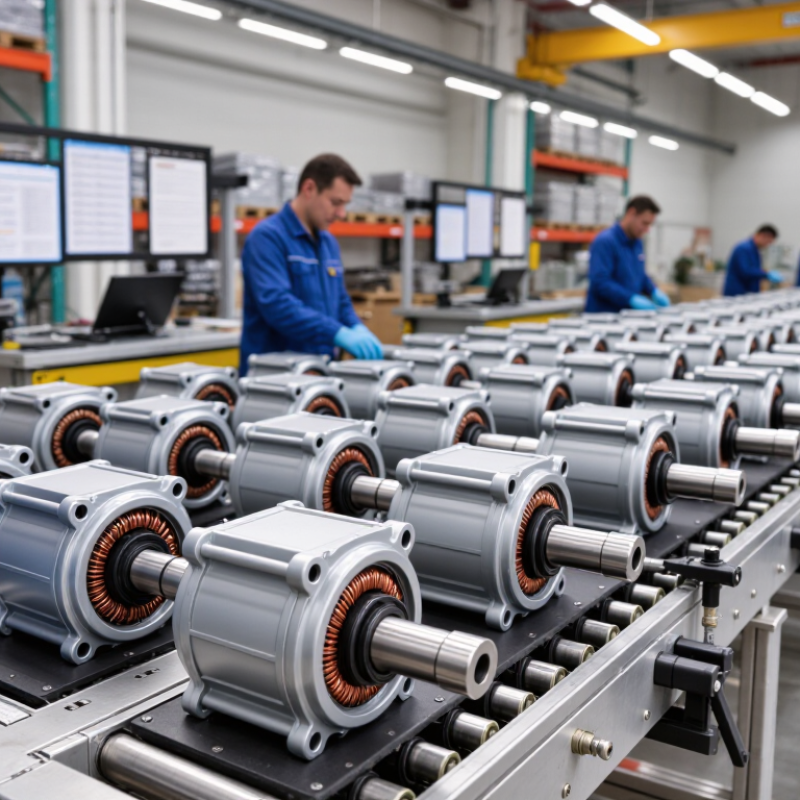
An experienced Air Conditioner Fan Motor manufacturer can explain how its motors perform in split systems, window units, rooftop equipment, and commercial air conditioners. Look for practical evidence, including factory inspection records, sample testing, production photographs, and clear technical datasheets. Ask about winding quality, bearing selection, temperature rise, balancing, and protection against moisture. A dependable supplier should also communicate tolerances and testing methods without hiding behind vague marketing language.

Certifications matter, but they are not the entire answer. A document may show compliance, while a poorly matched motor still creates vibration or excessive power consumption. This is where engineering support becomes valuable. Suppliers should help confirm shaft size, mounting dimensions, rated speed, frequency, and working voltage before production begins. Small errors can become expensive after thousands of units are assembled.

No supplier is perfect. Even a strong factory may face delays, material changes, or communication gaps. That deserves honest discussion. Request samples, inspect packaging, review quality procedures, and test motors under realistic load conditions. The best choice is usually not the cheapest listing. It is a capable partner that provides consistent performance, traceable production, responsive service, and realistic promises for your air-conditioning project.
China Best Air Conditioner Fan Motor Supplier?

What Is an Air Conditioner Fan Motor?

What Is an Air Conditioner Fan Motor?

An air conditioner fan motor is the electric drive that moves air through the system. It turns the fan blade or blower wheel at a controlled speed. This movement pushes cooled air into a room or carries heat away from the outdoor coil. In a split air conditioner, the indoor and outdoor units may use different motor designs.

Small component. Major effect.

A technician usually checks the motor’s voltage, current, rotation, and operating temperature. A healthy motor starts smoothly without unusual noise or vibration. Worn bearings may create a rough humming sound. Overheating can come from blocked airflow, damaged wiring, or excessive mechanical load. That assumption is not always right. A failed motor is not always the original problem. Good suppliers should provide clear electrical data, shaft dimensions, mounting details, and tested performance.

During inspection, I look for dust around the housing and signs of heat discoloration. Moisture can also affect connections and shorten service life. The correct motor must match the air conditioner’s power requirements and fan structure. Shaft size and rotation direction matter too. A replacement that fits physically may still perform poorly. Real-world testing still matters. Sometimes, specifications appear complete but miss a small mounting difference. Careful measurement prevents that mistake.

Main Types of Air Conditioner Fan Motors

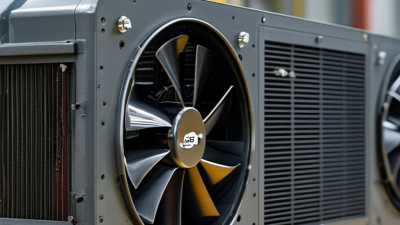
Air conditioner fan motors come in several practical forms, and each suits a different operating condition. The permanent split capacitor motor, or PSC motor, remains common in indoor blowers and outdoor condenser fans. It uses a capacitor to create steady rotation, offers simple control, and performs reliably in dusty equipment rooms. However, its speed adjustment is limited, and energy use can rise during long operating hours.

Shaded-pole motors are compact and inexpensive. They often appear in small ventilation fans where airflow demand is modest. Their design has few parts, which helps reduce maintenance. The trade-off is lower efficiency and weaker starting torque. For larger air-conditioning systems, brushless DC motors and electronically commutated motors provide better speed control. Sensors and control boards adjust rotation according to cooling demand. This can reduce noise and electricity consumption, especially at partial load. They are not always the easiest option to repair.

When selecting a motor supplier in China, buyers should check rated voltage, frequency, insulation class, bearing structure, shaft size, and protection rating. Matching the motor to the fan blade matters. A powerful motor can still perform poorly with an unsuitable impeller. Ask for temperature-rise data and endurance test records, not only a sample unit. In my experience, sample testing under real airflow is essential. Factory data can be accurate, but actual installation conditions sometimes reveal vibration or unexpected noise. The cheapest motor is rarely the safest choice. Also, specifications should be confirmed in writing before production begins.

China Best Air Conditioner Fan Motor Supplier? - Main Types of Air Conditioner Fan Motors

Motor Type Typical Air-Conditioning Application Common Supply Typical Speed Range Control Method Main Advantages Limitations Key Selection Factors
Permanent Split Capacitor (PSC) Motor Indoor blower fans, outdoor condenser fans, air handlers and packaged air-conditioning units Single-phase AC; commonly 115 V, 208–230 V or 220–240 V at 50/60 Hz Approximately 800–1,725 rpm, depending on pole count and design Voltage regulation, multi-speed winding or capacitor selection Simple construction, reliable starting, moderate cost and widely available replacement parts Lower efficiency and less precise speed control than electronically commutated designs Rated voltage, capacitor value, shaft size, rotation direction, mounting pattern, airflow load and continuous-duty rating
Shaded-Pole Motor Small evaporator fans, compact ventilation fans and low-power air-conditioning appliances Single-phase AC; commonly 115 V or 220–240 V at 50/60 Hz Approximately 1,000–3,000 rpm, with speed changing under load Basic voltage control or fixed-speed operation Low purchase cost, compact size, simple wiring and no separate starting capacitor Low starting torque, relatively low efficiency and greater heat generation Fan load, permissible temperature rise, airflow requirement, noise level and expected operating hours
Electronically Commutated (EC) Motor High-efficiency indoor blowers, air-handling units, ventilation systems and premium HVAC equipment AC input with an integrated electronic controller; commonly supports 115 V, 208–230 V or 220–240 V systems Typically variable speed, often from approximately 300 to 1,800 rpm 0–10 V signal, PWM signal, serial communication or programmed speed control High efficiency, precise airflow control, soft starting, reduced energy consumption and good part-load performance Higher initial cost, electronic sensitivity and possible electromagnetic-compatibility requirements Control-signal type, input-voltage range, ingress protection, ambient temperature, motor efficiency and controller compatibility
Brushless DC (BLDC) Motor Variable-speed indoor blowers, inverter air conditioners, compact outdoor fans and energy-efficient systems DC bus or rectified AC input; common motor bus voltages include 24 V, 48 V, 310 V and other application-specific values Approximately 300–3,000 rpm, depending on the fan and control system Electronic commutation using Hall sensors, sensorless control, PWM or dedicated drive electronics High efficiency, low maintenance, strong controllability and suitable for variable-speed operation Requires compatible electronic control, and performance depends on correct commutation and thermal design Bus voltage, peak current, feedback method, control protocol, torque requirement, operating temperature and protection functions
Three-Phase Induction Motor Large condenser fans, commercial HVAC systems, chillers, cooling towers and industrial air-handling equipment Three-phase AC; commonly 200–240 V, 380–415 V or 440–480 V at 50/60 Hz Approximately 900–3,600 rpm, depending on frequency and pole count Direct-on-line starting, star-delta starting or variable-frequency drive Rugged construction, reliable continuous operation and suitability for higher power ratings Usually larger and heavier than single-phase motors; fixed-speed operation requires additional control equipment Phase voltage, frequency, rated power, service factor, enclosure rating, starting method, vibration and environmental conditions
Single-Phase Capacitor-Start / Capacitor-Run Motor Selected blower and fan systems requiring higher starting torque than a basic PSC design Single-phase AC; commonly 115 V or 208–230 V at 50/60 Hz Approximately 900–1,800 rpm, depending on pole count and fan load Capacitor-based starting and running circuits, with optional multi-speed winding Higher starting torque and improved starting performance for demanding fan loads More components, including capacitors and sometimes a starting switch or relay, increase maintenance requirements Starting torque, capacitor specifications, duty cycle, rotation, noise, shaft dimensions and thermal protection

Note: Specifications shown are typical industry ranges for comparison purposes. Actual motor performance depends on the fan impeller, system resistance, operating temperature, supply frequency, controller settings and manufacturer-approved design data.

How to Assess a Chinese Fan Motor Supplier

Choosing a Chinese fan motor supplier for air conditioners requires more than comparing unit prices. Ask for motor drawings, rated voltage, speed range, insulation class, and expected service life. A capable supplier should explain how torque changes under different loads. Request production test records, not only polished samples. In my experience, a motor that runs quietly for ten minutes may still overheat after eight hours. That difference matters.

Tips: Visit the factory if possible. Check winding equipment, balancing machines, incoming-material controls, and final inspection stations. Ask to see a traceable sample report with dates and instrument identification. Confirm whether the supplier can repeat the same performance across several batches. Check communication, too. Slow answers during evaluation may become slower after payment. This is not proof of poor quality, but it deserves attention. A reliable supplier should accept reasonable audits and discuss failures openly.

Evaluate engineering support before signing a contract. Confirm prototype timelines, mold ownership, spare-part availability, packaging protection, and warranty response. Ask for independent safety documentation where relevant. Verify that reports match the exact motor model. Avoid relying on verbal promises. Put tolerances and acceptance criteria in writing. Still, no assessment is perfect. Even a controlled factory can miss a defect. A small pilot order can expose packing damage, noise variation, or unstable speed before volume production. Keep records of every test, question, and change. Supplier selection requires technical judgment and disciplined doubt.

China Best Air Conditioner Fan Motor Supplier? How to Assess a Chinese Fan Motor Supplier

This screening framework assigns a 100-point assessment to the factors most relevant to air-conditioner fan motor sourcing. Confirm each item with current documents, test reports, samples, production records, and an independent quality audit before selecting a supplier.

Quality Standards, Certifications, and Customization Options

Choosing the best China air conditioner fan motor supplier requires more than comparing price. The International Energy Agency’s The Future of Cooling reports that cooling electricity demand could more than triple by 2050. That forecast increases the value of efficient, durable motors. In practice, ask for measured airflow, input power, noise, vibration, insulation resistance, and temperature-rise records. Test data should identify voltage, frequency, load, and ambient temperature. Otherwise, comparisons become weak.

A dependable supplier should operate an ISO 9001 quality system and provide traceable material and final-test records. Motor safety should align with applicable IEC 60034 requirements. The completed air-conditioning assembly may also require IEC 60335-2-40 evaluation. Market access can involve CE, RoHS, or China Compulsory Certification requirements, depending on the destination and product scope. Certification is evidence, not magic. Request certificate numbers, validity dates, and tested model ranges.

Customization may include shaft length, mounting holes, winding design, speed control, connector position, and waterproofing level. A serious engineering review checks the blade, controller, bearings, and motor together. Small changes can alter noise and startup torque. Prototype samples should undergo thermal cycling, locked-rotor checks, endurance testing, and cabinet trials. I would not treat one polished sample as proof of stable production. Factories can still miss a tolerance during a rushed batch. Agree on inspection plans, spare parts, and corrective-action timelines.

Pricing, Ordering, and After-Sales Service

China Best Air Conditioner Fan Motor Supplier? Pricing, Ordering, and After-Sales Service

Choosing a reliable air conditioner fan motor supplier requires more than comparing online prices. A professional supplier should confirm voltage, frequency, speed, shaft size, mounting pattern, insulation class, and operating temperature. These details affect compatibility and service life. A cheaper motor may require costly redesign later. That mistake happens often.

Ask for a clear quotation with motor price, packaging, shipping terms, sample charges, and tooling costs. Request a sample before placing a large order. Test noise, vibration, starting performance, and temperature rise under actual load. Ordering documents should identify every specification. Vague descriptions create avoidable disputes. Lead times also need written confirmation, especially during peak cooling seasons. Pricing can change with copper costs and order volume, so validity dates matter.

Tips: Compare complete landed costs, not unit prices alone. Check production photos, inspection records, and relevant test reports. Confirm warranty length, replacement procedures, response times, and spare-part availability before payment. A useful after-sales policy should explain who handles transport for defective units. It should also define acceptable failure evidence, such as videos, test data, or returned samples. Some suppliers respond quickly before shipment, then become slow afterward. That possibility deserves direct questions. Do not assume every warranty works equally well.