Best Bathroom Exhaust Fan Motor for Optimal Air Quality?
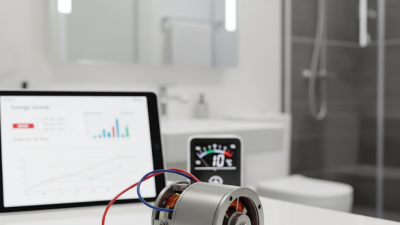
Optimal air quality in bathrooms is essential for health and comfort. The right Bathroom Exhaust Fan Motor plays a crucial role in maintaining this quality. According to a report by the American Society of Heating, Refrigerating and Air-Conditioning Engineers (ASHRAE), effective ventilation can reduce indoor humidity levels by 50%. This is vital as excess moisture can lead to mold growth and respiratory issues.
Many homeowners overlook the importance of a powerful exhaust fan motor. An efficient motor not only expels stale air but also keeps pollutants at bay. The U.S. Environmental Protection Agency (EPA) states that indoor air can be up to five times more polluted than outside air. A high-quality Bathroom Exhaust Fan Motor can significantly mitigate this issue.
Choosing the best motor involves considering noise levels, airflow capacity, and energy efficiency. Some models may be silent yet ineffective. Others could be powerful but consume excessive energy. Understanding these trade-offs is crucial for making an informed decision that ensures a healthy bathroom environment. The perfect balance is vital for both comfort and energy conservation.
Understanding the Importance of Bathroom Exhaust Fan Motors for Air Quality
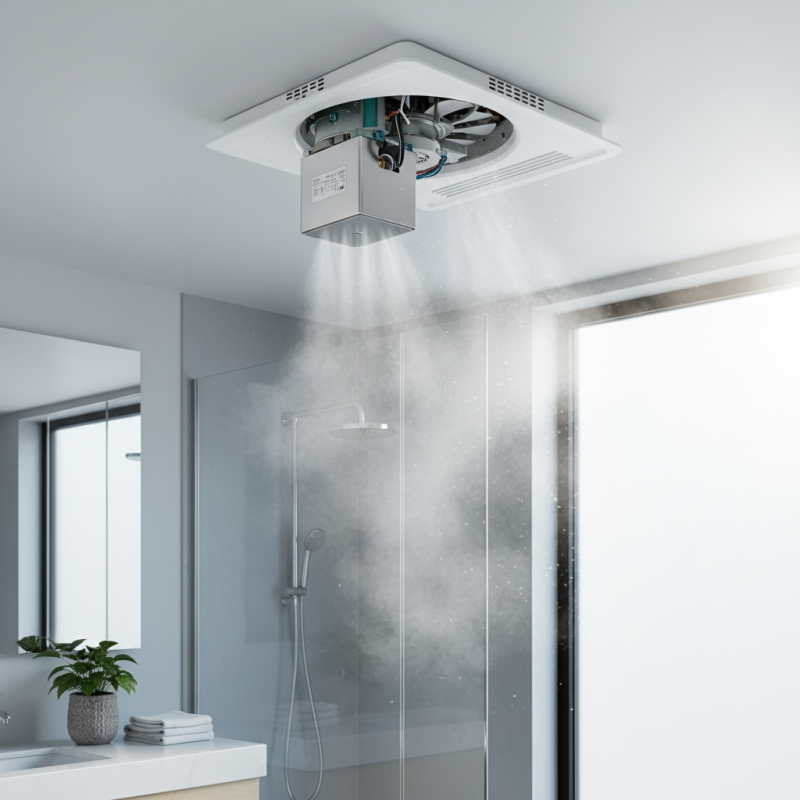
Bathroom exhaust fan motors play a crucial role in maintaining air quality. A well-functioning exhaust fan helps eliminate excess moisture, odors, and pollutants. This is especially important, as stagnant air can lead to mold growth and respiratory issues. According to the Environmental Protection Agency (EPA), adequate ventilation can significantly reduce indoor air pollutants.
Choosing the right motor for your exhaust fan is essential. A motor’s efficiency can greatly affect air quality. Look for models with high CFM (cubic feet per minute) ratings, which indicate better airflow. Research shows that effective ventilation can lower the concentrations of allergens and other harmful particles by up to 90%. Regular maintenance of the motor can ensure it operates at peak performance, keeping your bathroom air clean.
Tips for improving air quality include periodically cleaning the fan blades to prevent dust buildup. Additionally, ensure the fan operates for at least 20 minutes after a shower to eliminate moisture. It’s also wise to check for signs of wear in the motor, as an aging unit may not vent air effectively. Investing time in understanding these factors can lead to a healthier living environment in your home.
Types of Exhaust Fan Motors and Their Impact on Efficiency
Choosing the right type of bathroom exhaust fan motor can significantly affect air quality. Energy-efficient motors, like EC (electronically commutated) types, offer better performance than traditional motors. According to the U.S. Department of Energy, energy-efficient motors can reduce energy use by up to 50%. This reduction can lead to lower electricity bills and a better environmental footprint.
Different types of motors have varying impacts on airflow and noise levels. Standard induction motors are often noisier compared to EC motors. Noisy fans can contribute to discomfort in your living space. A motor's horsepower also correlates to its ability to ventilate effectively. For example, a higher-rated motor is more capable of handling humidity.
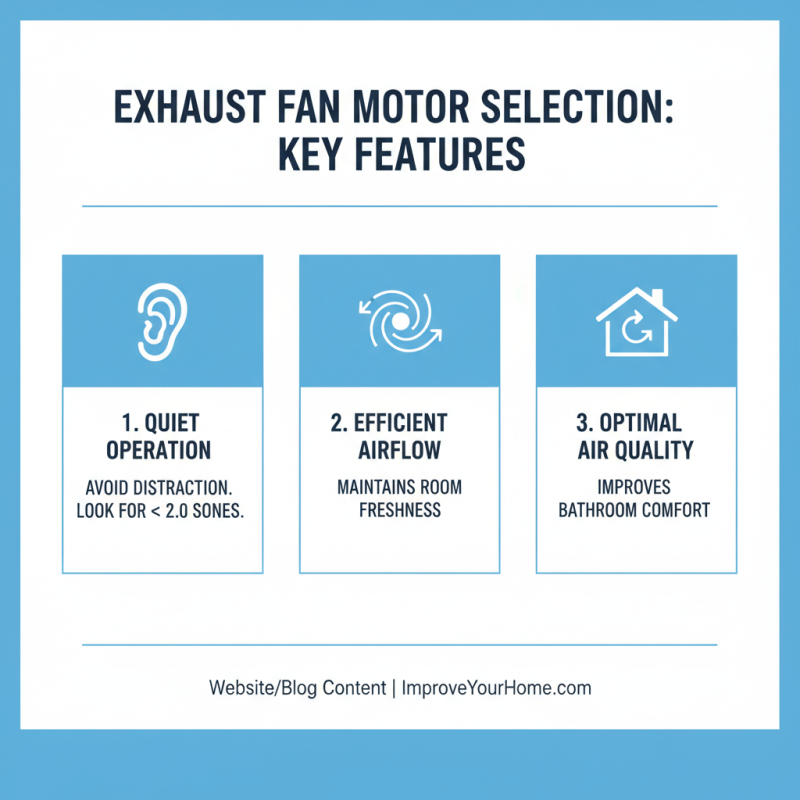
Tips for selecting a motor: Look for models that comply with ENERGY STAR standards. Check the noise levels, ideally seeking models below 1 sones for quiet operation. Also, consider the CFM (cubic feet per minute) rating. A motor with a higher CFM can move more air, enhancing moisture removal.
Keep in mind that not all fans fit all bathrooms. A small bathroom may not require a high-powered fan. Over-specifying can lead to excessive noise and energy waste. Balancing efficiency and comfort is crucial.
Installation Tips for Optimal Performance of Bathroom Exhaust Fans
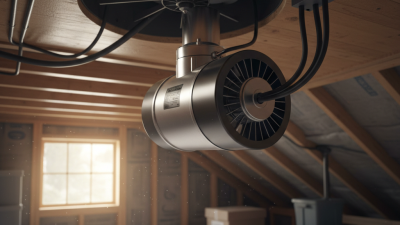
When installing a bathroom exhaust fan, proper placement is crucial for optimal air quality. The ideal height for the fan is near the shower or bathtub, allowing it to efficiently remove humidity. A study from the Home Ventilating Institute indicates that exhaust fans should provide at least 50 CFM (cubic feet per minute) for bathrooms. This ensures that moisture and odors are effectively expelled.
Tips: Always check airflow direction. Ensure that the fan is not obstructed by other elements. Consider the duct length; shorter ducts enhance efficiency.
Additionally, the selection of duct material matters. Rigid ducts are preferred over flexible ones due to reduced airflow resistance. Regular maintenance plays an essential role, as dust and debris can accumulate, decreasing performance. Data suggests that annual cleaning can significantly enhance a fan's lifespan and effectiveness.
Tip: Schedule bi-annual inspections. This can prevent early wear and ensure continuous performance. An overlooked fan may lead to mold growth, resulting in health risks. A well-maintained system contributes to overall air quality.
Maintenance Practices to Extend the Life of Your Exhaust Fan Motor
Maintaining an exhaust fan motor in your bathroom is essential for optimal air quality. Regular cleaning is vital. Dust and grime can accumulate on blades and vents, affecting performance. A quick wipe down with a damp cloth every month helps maintain airflow. Remember, even small debris can cause strain on the motor.
Listening to your fan is important, too. Unusual sounds, like grinding or rattling, can indicate wear. If you notice these noises, it might be time to check the motor. Sometimes, lubrication of bearings can resolve minor issues. A few drops of the right lubricant can extend the life of your motor.
Temperature control is another factor. Excessive humidity can lead to corrosion. Ensure your bathroom is well-ventilated. Installing a timer or humidity sensor can help regulate operation. The goal is to create a resilient system that can withstand the environment. Regular checks and adjustments will ensure your exhaust fan operates efficiently.



 Email
Email Whatsapp
 WeChat