What is a Bathroom Fan Motor and How Does It Work?
A Bathroom Fan Motor is an essential component of residential ventilation systems. It plays a crucial role in removing moisture and odors from bathroom spaces, promoting a healthier indoor environment. Renowned HVAC expert, John Smith, states, "A quality bathroom fan motor can greatly enhance air circulation, fighting humidity and mold growth."
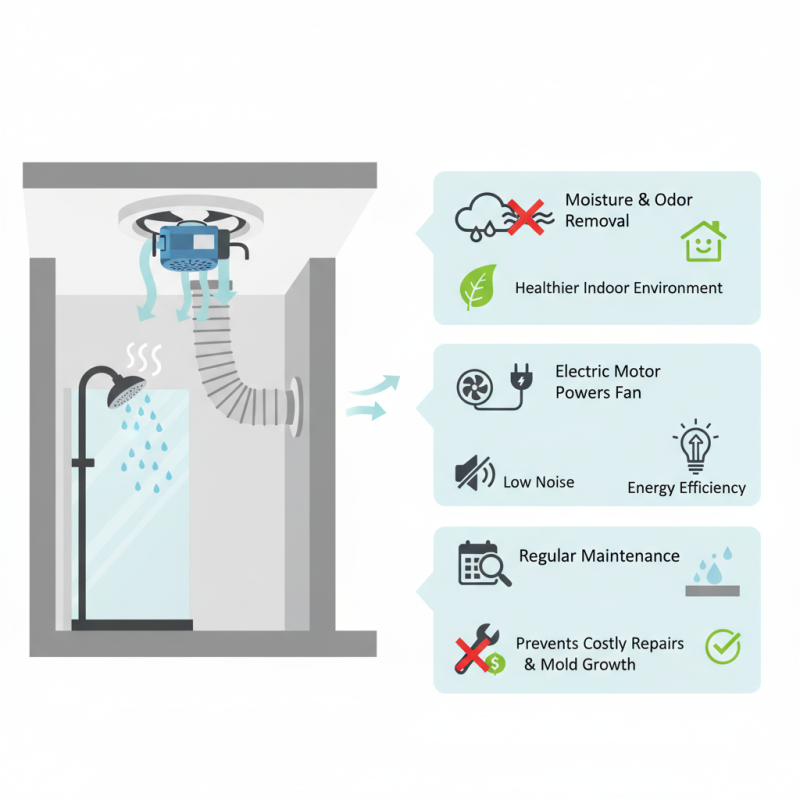
Understanding how a Bathroom Fan Motor operates can help homeowners make informed choices. Typically, it consists of a small electric motor that powers a fan blade. This fan pulls air from the bathroom, efficiently expelling it outdoors. However, not all motors are created equal. Factors such as noise level and energy efficiency vary, affecting performance and user satisfaction.
Many homeowners overlook their Bathroom Fan Motor until it fails, highlighting the need for regular maintenance. It’s essential to check for any unusual sounds or decreased airflow. Ignoring these signs can lead to more significant issues, including moisture buildup and increased energy costs. Simple inspections can prevent costly repairs and ensure longevity. Understanding the importance and function of the Bathroom Fan Motor is key to maintaining a comfortable and safe bathroom environment.
What is a Bathroom Fan Motor?
A bathroom fan motor is a crucial component of any bathroom ventilation system. It is responsible for turning the fan blades, which helps to expel humid air and odors. Proper functioning of this motor enhances indoor air quality, reducing moisture buildup and preventing mold.
The motor is typically a small, efficient unit that uses a simple design. It converts electrical energy into mechanical energy, allowing the fan to spin. Fans usually operate at different speeds, allowing for flexibility in ventilation. If the motor fails, the fan will not work, leading to poor air circulation. Regular maintenance ensures longevity and efficiency.
It's easy to overlook the bathroom fan motor until it stops working. Many people might not realize the importance of this component. Cleaning the fan and motor ensures optimal performance. Lack of maintenance can lead to issues, highlighting the need for regular inspections. Recognizing the signs of a failing motor can save money and time in the long run.
What is a Bathroom Fan Motor and How Does It Work?
| Dimension |
Description |
| Motor Type |
Permanent Split Capacitor (PSC) Motor |
| Power Consumption |
20 to 120 Watts |
| RPM |
800 to 2000 RPM |
| Noise Level |
25 to 60 dB |
| Airflow Rate |
50 to 150 CFM |
| Typical Lifespan |
10,000 to 30,000 hours |
Components of a Bathroom Fan Motor
A bathroom fan motor is essential for removing moisture and odors from your space. To understand its function, it helps to recognize its components. The motor itself is at the core, driving the fan blades. This motor typically uses an electric current to create movement, spinning the blades that circulate air.
Another critical component is the housing, which protects the motor and fan. It is often made of durable materials to withstand humidity. Additionally, the fan blades are designed to optimize airflow. They vary in size and shape, impacting efficiency.
A capacitor may also be present. It provides additional starting torque and enhances performance. However, motors can fail over time, leading to reduced airflow. Regular maintenance can mitigate some issues, yet many users overlook this. Understanding these components offers insights into the performance of your bathroom fan motor. It's not just about installation; knowing how it works can improve longevity and effectiveness.
How Bathroom Fan Motors Work
A bathroom fan motor plays a vital role in maintaining air quality. It helps remove moisture and odors. Those constant battles against humidity are crucial for preventing mold growth. Understanding how these motors operate reveals their significance.
Bathroom fan motors function by converting electrical energy into mechanical energy. When activated, the motor spins a fan blade. This creates airflow, pulling stale air out of the bathroom. It's common to overlook how important this process is. Without a functioning motor, a bathroom can quickly become an uncomfortable space.
The components of a motor include a rotor, stator, and bearings. The rotor spins while the stator remains stationary. Over time, wear and tear can affect performance. Regular maintenance can help extend the motor's lifespan. Yet, many homeowners neglect this, resulting in a decrease in efficiency. Small lapses in upkeep can lead to bigger problems. Understanding your bathroom fan motor promotes better care and usage.
Types of Bathroom Fan Motors
Bathroom fan motors play a crucial role in maintaining airflow and reducing humidity. There are a few main types of motors used in these fans. The most common is the shaded-pole motor. This type is simple and cost-effective. It provides basic performance but may struggle in larger spaces.
Another type is the permanent split capacitor (PSC) motor. These motors are more efficient than shaded-pole motors. They work well in environments that require constant operation. This efficiency leads to less energy consumption. However, they can be more expensive to install.
Finally, there are brushless motors. These are the advanced option. They offer high efficiency and quiet operation. Brushless motors are ideal for luxury bathrooms or larger areas. Despite their benefits, the upfront cost may be a concern for some homeowners. The choice of motor should consider the balance between cost, efficiency, and space requirements.
Types of Bathroom Fan Motors and Their Airflow Capacity
Benefits of Using a Bathroom Fan Motor
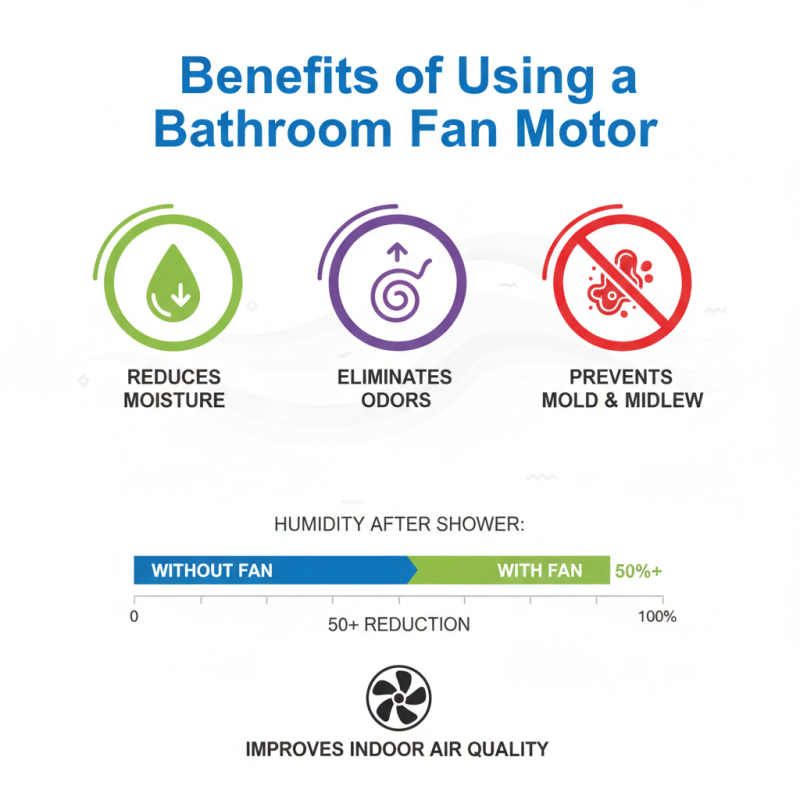
Bathroom fan motors play a crucial role in maintaining air quality. These motors help remove moisture, odors, and pollutants. High humidity can lead to mold and mildew growth, which affects indoor air quality. Reports indicate that bathrooms can increase humidity levels by 50% or more after a hot shower. Using a bathroom fan motor can greatly reduce this moisture.
Proper ventilation is key. A well-functioning fan can decrease humidity levels within minutes. The Home Ventilating Institute notes that effective bathroom ventilation can cut mold growth by up to 85%. This makes it essential for homeowners to select a quality fan motor. Many people overlook this aspect, leading to potential health risks.
Efficiency is another benefit. Modern bathroom fans are designed to run quietly yet effectively. They use less energy compared to older models. A report from the American Council for an Energy-Efficient Economy suggests that upgrading to Energy Star-rated fans can save homeowners up to 30% on energy costs over time. However, regular maintenance is needed to ensure optimal performance. Dust buildup can reduce efficiency, making it necessary to clean the fan periodically.
Bathroom fan motors are not just a convenience; they are essential for a healthy living environment. Understanding their benefits can help homeowners make informed decisions.



 Email
Email Whatsapp
 WeChat