What is an Attic Fan Motor and How Does It Work for Home Ventilation?
An attic fan motor plays a vital role in maintaining a comfortable and energy-efficient home environment. As homeowners seek effective solutions for ventilation, understanding the function and mechanics of an attic fan motor becomes increasingly important. Working to regulate temperature and air quality, this motor helps in the expulsion of hot, stagnant air from the attic space, ultimately promoting better airflow throughout the house.
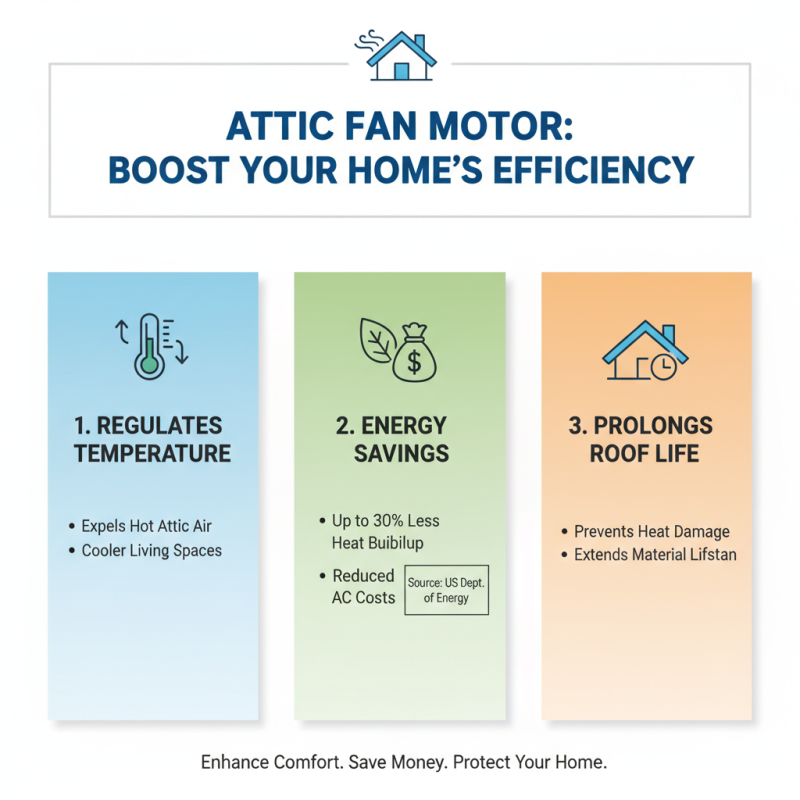
The operation of an attic fan motor is intricately linked to the overall efficiency of the home’s ventilation system. By drawing in cooler air from outside, it reduces heat buildup in the attic, which can lead to excessive energy consumption from air conditioning systems. An effective attic fan motor not only contributes to energy savings but also helps prolong the life of your roof and structural components by mitigating moisture buildup, which can cause mold and other health concerns.
In this guide, we will delve into the specifics of attic fan motors, exploring how they function, their benefits, and factors to consider when selecting one for your home. Understanding these components will empower homeowners to make informed decisions about optimizing their ventilation systems for improved comfort and efficiency.
Definition of an Attic Fan Motor and Its Purpose in Home Ventilation
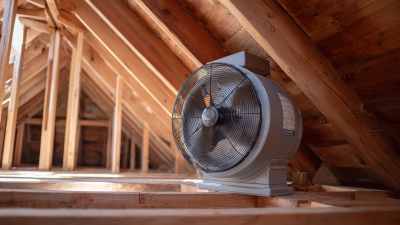
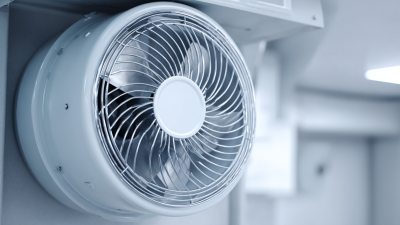
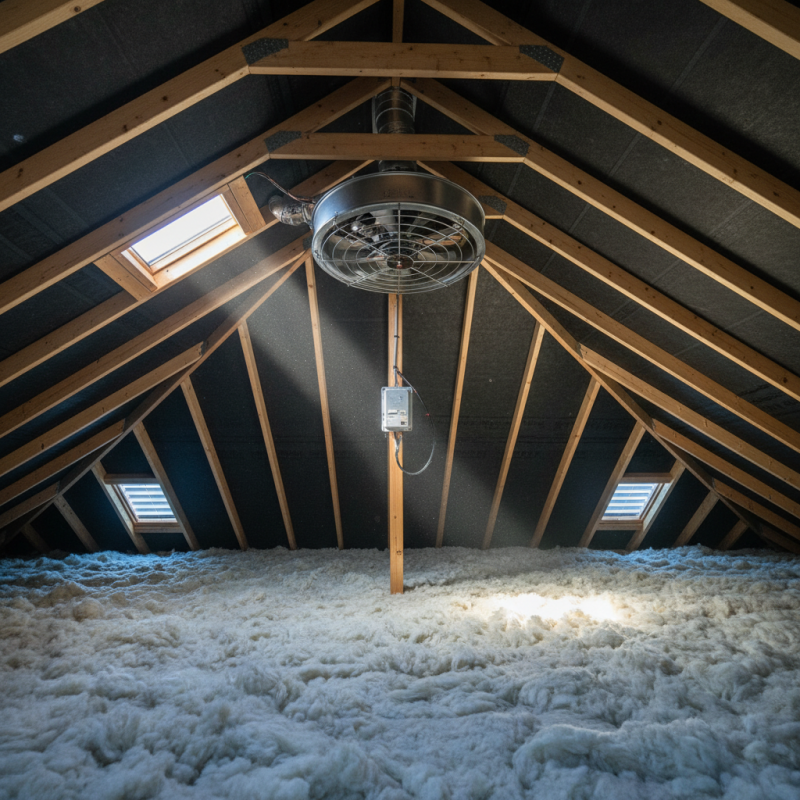
An attic fan motor is a crucial component of an attic ventilation system, designed to help regulate temperature and humidity levels in the attic space. The motor powers the fan, which actively removes hot air from the attic, allowing cooler air to enter from outside. This process enhances air circulation within the home, reducing the burden on the HVAC system and promoting overall energy efficiency. By maintaining a balanced air temperature, an attic fan motor also helps to prevent moisture buildup, which can lead to mold growth and damage to the roofing structure.
When considering the installation of an attic fan motor, homeowners should keep in mind a few essential tips. First, proper sizing of the fan is vital. An undersized fan may not effectively vent out hot air, while an oversized fan could create excessive pressure differences. Additionally, ensure that the attic has adequate intake ventilation; this allows fresh air to replace the exhausted hot air efficiently. Lastly, consider using a thermostat or humidistat to optimize the fan's operation, ensuring it runs only when necessary, further enhancing energy savings.
Regular maintenance of the attic fan and its motor is also crucial for longevity and efficiency. Cleaning the fan blades and ensuring that the motor operates smoothly can significantly extend the life of the system. By keeping these tips in mind, homeowners can effectively utilize their attic fan motor to improve home ventilation and create a more comfortable living environment.
Attic Fan Motor Performance Data
This chart illustrates the airflow (in CFM - Cubic Feet per Minute) achieved by an attic fan motor at different speed settings: Low, Medium, and High. The performance increases as the speed settings rise, providing better ventilation for the home.
Components of an Attic Fan Motor and Their Functions
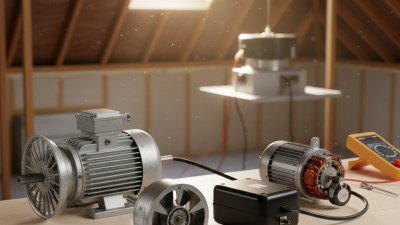
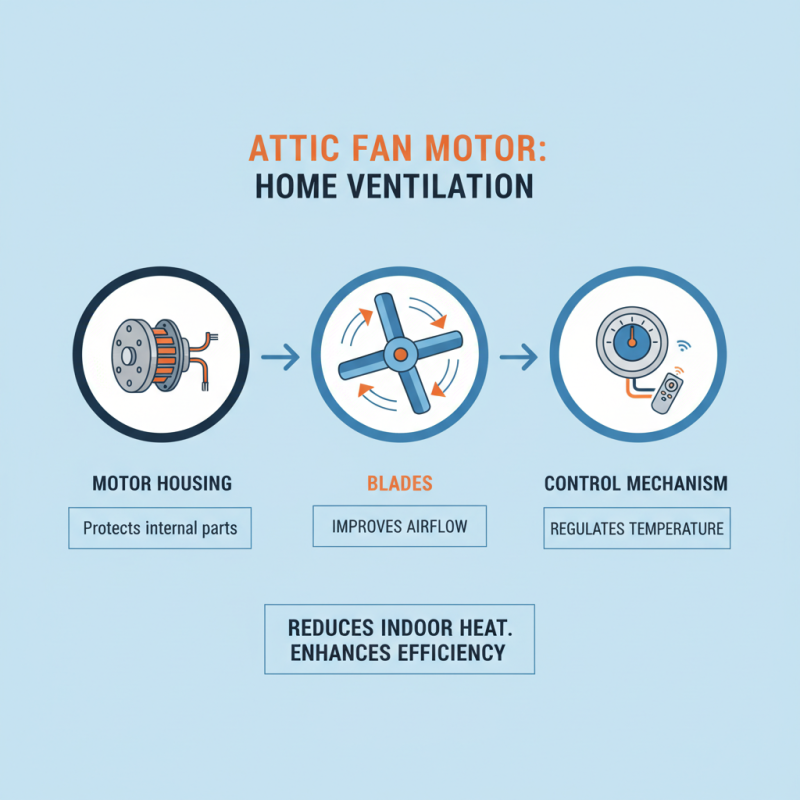
An attic fan motor is a crucial component of home ventilation systems, designed to improve airflow and reduce indoor temperatures during hot weather. The primary components of an attic fan motor include the motor housing, blades, and control mechanism. Each part has a distinct function, contributing to the overall efficiency and effectiveness of the fan.
The motor housing encases the internal components, providing protection from dust and moisture while allowing for heat dissipation. Inside the housing, the motor converts electrical energy into mechanical energy, which drives the attached blades. These blades are specifically designed to draw hot air out of the attic space, promoting cooler air circulation throughout the home. A well-designed blade system can significantly enhance the airflow, making it easier to maintain a comfortable living environment.
The control mechanism is another key aspect of an attic fan motor. It often includes a thermostat that regulates the fan's operation based on the attic temperature. When the temperature rises above a predetermined level, the thermostat activates the motor, spinning the blades to expel hot air and replace it with cooler air from outside. This automated process not only improves comfort but also helps protect roofing materials and reduce energy costs by alleviating the workload on air conditioning systems.
How an Attic Fan Motor Operates to Improve Airflow
An attic fan motor plays a crucial role in home ventilation, primarily by enhancing airflow throughout the attic space. When the attic reaches high temperatures, the fan motor activates to draw hot air out of the attic and help maintain a cooler environment. This process is essential, as studies from the U.S. Department of Energy indicate that proper attic ventilation can reduce energy costs by 10-30%. By improving airflow, it also helps to extend the lifespan of the roofing materials and prevent issues such as mold and wood rot.
The operation of an attic fan motor is typically controlled by a thermostat that senses the temperature in the attic. Once it detects temperatures exceeding a preset level, the motor powers the fan, creating a negative pressure that pulls cooler outside air into the attic. This continuous cycle enhances ventilation and assists in balancing indoor temperatures. According to the American Society of Home Inspectors, homes with effective attic ventilation can experience noticeable improvements in air quality and comfort levels, especially during the hot summer months.
Tips for homeowners include regularly checking the attic fan motor for dust and debris, which can impede its efficiency. Additionally, ensure that the attic is sufficiently insulated to maximize the cooling effects of the fan. Consider installing a timer to run the fan during peak heat hours for optimal performance and energy savings. By maintaining your attic fan motor and optimizing its function, you can significantly contribute to an efficient home ventilation system.
What is an Attic Fan Motor and How Does It Work for Home Ventilation?
| Feature |
Description |
Benefits |
Typical Cost |
| Motor Type |
Electric motor |
Efficient and reliable operation |
$100 - $300 |
| Power Consumption |
Varies by model, typically 200W |
Lower energy bills when used properly |
N/A |
| Airflow Capacity |
Measured in CFM (Cubic Feet per Minute) |
Improves indoor air quality |
N/A |
| Installation Type |
Rooftop or gable-mounted |
Flexible installation options |
N/A |
| Control Options |
Manual or automatic thermostat |
Convenient operation |
N/A |
Key Benefits of Using an Attic Fan Motor for Home Efficiency
An attic fan motor plays a crucial role in enhancing home ventilation, significantly contributing to energy efficiency and indoor comfort. These motors drive attic fans that help regulate the temperature in the attic space, particularly during the hot summer months. By expelling hot air from the attic, they work to create a cooler environment in the living spaces below. According to the U.S. Department of Energy, proper ventilation can reduce the heat buildup by as much as 30%, which translates into substantial savings on air conditioning costs and extends the lifespan of roofing materials.
The benefits of utilizing an attic fan motor extend beyond immediate temperature control. Research from the Home Ventilation Institute indicates that effective attic ventilation can decrease humidity levels and prevent moisture buildup, which is essential for preventing mold growth and improving indoor air quality. Furthermore, maintaining optimal attic conditions can improve the overall energy efficiency of the home. Energy Star estimates that homes equipped with proper attic ventilation can achieve energy savings of up to 15% on heating and cooling costs annually, highlighting the cost-effective nature of investing in attic fan motors for long-term sustainability and comfort.
Maintenance Tips for Ensuring Optimal Performance of Attic Fan Motors
Maintaining your attic fan motor is crucial for ensuring its efficiency and longevity in providing proper home ventilation. Regular inspections should be part of your maintenance routine. Start by checking the fan blades for any debris or dust buildup, as this can significantly reduce airflow. Cleaning the blades with a soft brush or cloth can help maintain optimal performance. Additionally, ensure the motor is free from grime, as excessive dirt can lead to overheating and premature failure.
Another important maintenance tip is to lubricate the motor bearings periodically. This reduces friction and helps keep the motor running smoothly. Use the manufacturer’s recommended lubricant, applying it carefully to avoid over-saturation. Furthermore, inspect the electrical connections for any signs of wear or corrosion. Loose wires can lead to inefficient operation or even pose a fire risk. By taking these simple steps, you can ensure that your attic fan motor runs effectively, keeping your home well-ventilated throughout the seasons.



 Email
Email Whatsapp
 WeChat