What is an Air Conditioner Motor and How Does It Work?
An air conditioner motor is a vital component in modern HVAC systems. According to the U.S. Department of Energy, nearly 90 million households in the U.S. rely on air conditioning. This highlights the significance of understanding its functions and mechanics. The efficiency of an air conditioner often hinges on the performance of its motor.
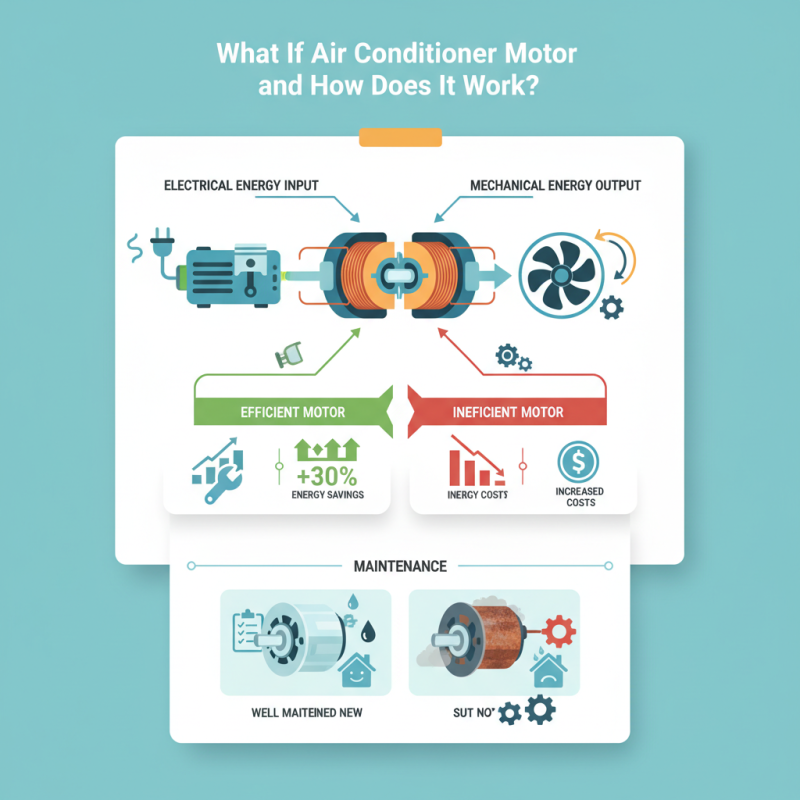
The air conditioner motor operates by converting electrical energy into mechanical energy. This mechanical energy drives the compressor and fan, facilitating the cooling process. Industry reports suggest that a well-functioning motor can enhance energy efficiency by up to 30%. With rising energy costs, optimizing these motors has never been more crucial.
However, not all motors are created equal. Variations in efficiency can lead to significant differences in performance. Additionally, maintenance is essential for longevity. Many homeowners underestimate the importance of regular checks. This oversight can lead to unforeseen costs and inefficiencies. Understanding the air conditioner motor is vital for both residential users and industry professionals alike.
Understanding the Basics of Air Conditioner Motors
Air conditioner motors are essential components that drive the cooling system. Understanding these motors helps us appreciate how our air conditioners function efficiently. They convert electrical energy into mechanical energy, powering fans and compressors. Without these motors, your air conditioner would simply not work.
Most commonly, air conditioner motors include the compressor motor and the blower motor. The compressor motor compresses the refrigerant, while the blower motor circulates air. Often, these motors are designed to work seamlessly together. However, they can encounter issues, causing the system to underperform. This could lead to inadequate cooling or increased energy consumption.
Regular maintenance is important for air conditioner motors. Dust and debris can affect performance. Checking the motor's condition is vital for long-term reliability. Homeowners might underestimate this step, leading to bigger problems down the line. Observing unusual noises or vibrations can also signal an issue. Being aware can help prevent outages and ensure optimal efficiency.
Understanding Air Conditioner Motor Performance
This chart illustrates the average efficiency ratings and power consumption of different types of air conditioner motors, showing how motor types compare in performance.
Components of an Air Conditioner Motor
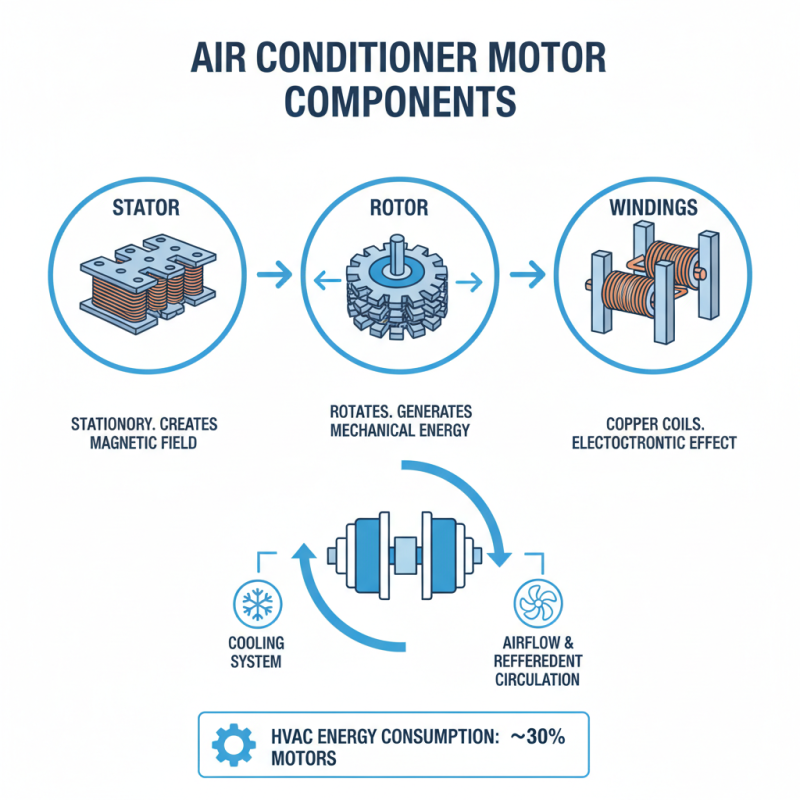
An air conditioner motor plays a crucial role in cooling systems. It drives the compressor and fan, facilitating airflow and refrigerant circulation. The main components include the stator, rotor, and windings. The stator is stationary and creates a magnetic field. Meanwhile, the rotor turns and generates mechanical energy. Industry reports indicate that about 30% of energy is consumed by motors in HVAC systems, underlining their importance.
Understanding the components can help in better maintenance and energy efficiency. For example, worn-out bearings in the rotor may create friction, leading to energy loss. Regular inspection can solve these issues before they escalate. Additionally, the quality of the windings affects overall motor efficiency. Poorly executed winding can cause overheating, a common problem in older models. It's crucial to keep up with advancements in motor technology for optimal performance.
While the technology is constantly evolving, not all motors are equally efficient. Some may consume more energy than the latest models, which could lead to increased operational costs. Experts recommend checking efficiency ratings and regularly maintaining components for better sustainability. An informed approach can improve both performance and energy savings, reflecting the motor's significant role in an air conditioning system.
How Air Conditioner Motors Generate Cooling Effect
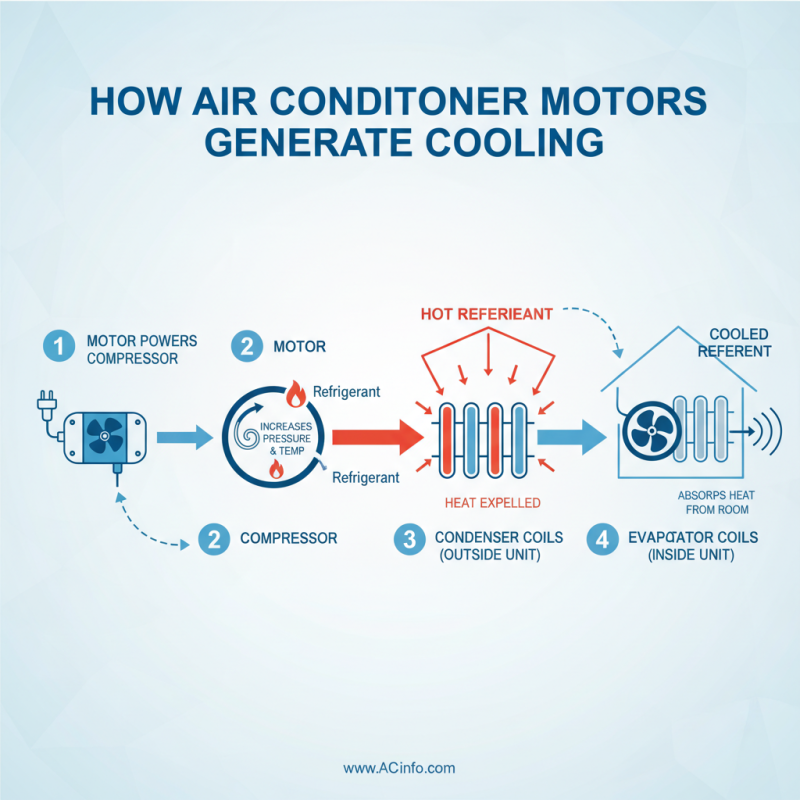
Air conditioner motors serve a crucial role in generating the cooling effect that keeps spaces comfortable during warm weather. These motors function by powering the compressor, which circulates refrigerant throughout the system. The compressor compresses the refrigerant, increasing its pressure and temperature. It then moves the hot refrigerant to the condenser coils, where the heat is expelled, allowing the refrigerant to cool before entering the evaporator coils.
Inside the evaporator coils, the cooled refrigerant absorbs heat from indoor air. This process cools the air before it is circulated back into the room. The fan within the air conditioner, driven by the motor, helps propel this cooled air, enhancing the cooling effect. It’s important to note that the efficiency of these motors can vary, and maintenance is key. A poorly maintained motor may not generate the necessary cooling effect, leading to inconsistent temperatures.
Understanding how air conditioner motors work can inform better maintenance choices. Regular checks can prevent overheating and excessive energy use, which might reflect on utility bills. However, it’s easy to overlook these routine tasks. A little more attention to detailing the specifics of motor upkeep can yield significant comfort benefits.
The Role of Electrical Currents in Motor Operation
Electrical currents play a crucial role in the operation of air conditioner motors. When the air conditioner receives a signal, electrical energy flows to the motor. This energy transforms into mechanical motion, enabling the motor to drive the compressor and fans. The efficiency of this process directly impacts the air conditioner's effectiveness.
In an AC motor, alternating current flows through coils of wire. This creates a magnetic field, which interacts with the rotor. The rotor then spins, producing the desired mechanical output. Variations in current affect the motor's speed and torque. A small change can influence cooling efficiency, which is critical during sweltering summer months.
However, understanding these electrical dynamics can be challenging. Many users overlook how poor electrical connections can hinder performance. Voltage fluctuations can lead to inconsistent cooling. Regular maintenance checks are essential for optimal functioning. Users should inspect wiring and connections periodically. Knowledge of these fundamentals can enhance both performance and longevity.
What is an Air Conditioner Motor and How Does It Work? - The Role of Electrical Currents in Motor Operation
| Component |
Description |
Function |
| Stator |
The stationary part of the motor that creates a magnetic field. |
Produces a magnetic field that interacts with the rotor. |
| Rotor |
The rotating component of the motor that turns the fan and compressor. |
Converts electrical energy into mechanical energy. |
| Compressor |
A device that compresses refrigerant gas to increase its pressure and temperature. |
Circulates refrigerant in the air conditioning system. |
| Electrical Currents |
Flow of electric charge that powers the motor. |
Enables motor operation and influences speed and torque. |
| Capacitor |
An electrical component that stores energy and helps start the motor. |
Provides an initial boost of energy for motor startup. |
Common Issues and Maintenance Tips for Air Conditioner Motors
Air conditioner motors play a critical role in
efficient cooling. Understanding common issues with these motors is essential for optimal performance. One prevalent issue is overheating. According to industry reports, about 25% of air conditioner failures result from motor overheating. This often occurs due to dust buildup or inadequate lubrication.
Regular cleaning of the motor and its components helps prevent this problem.
Another common concern is noise. A noisy motor could indicate problems like worn-out bearings or loose parts. Industry data suggests that up to 15% of air conditioner maintenance calls relate to unwanted noise. Inspecting the motor regularly for loose screws or damaged components can mitigate this issue. Keeping a maintenance log also supports proactive care.
Proper maintenance practices can extend the lifespan of air conditioner motors. Scheduled checks every six months are recommended. These include lubricating moving parts and ensuring electrical connections are secure. Neglecting these tasks can lead to costly repairs down the line. Remember, a well-maintained motor not only runs smoother but operates more efficiently.



 Email
Email Whatsapp
 WeChat